Week 5 – Barrett Flora and Fauna Reserve

What – Barrett Flora and Fauna Reserve
Where – Near the corner of Barrat and Dogwood roads, Wallup
What – 220ha flora and fauna reserve beside the Barrett timber plantation
In 10 words – A Wimmera oasis of swamps, birds, trees, kangaroos, holes, harps
We all know the Kalkee Plains. They are open, flat and dry and treeless.
Or are they?
Set foot in Barrett Reserve, in the middle of this famous landscape, and the myth is busted.
Barrett is an welcome oasis – on so many levels – amongst a predictable collage of square, wide, flat and thirsty paddocks.
An irregular, verdant feature-piece in a patchwork of ordered, dull and neutral squares.
Covering a total of 220ha it first looks like a predictable mass of carefully planted trees, painfully straight in its lines and lacking any sort of character.
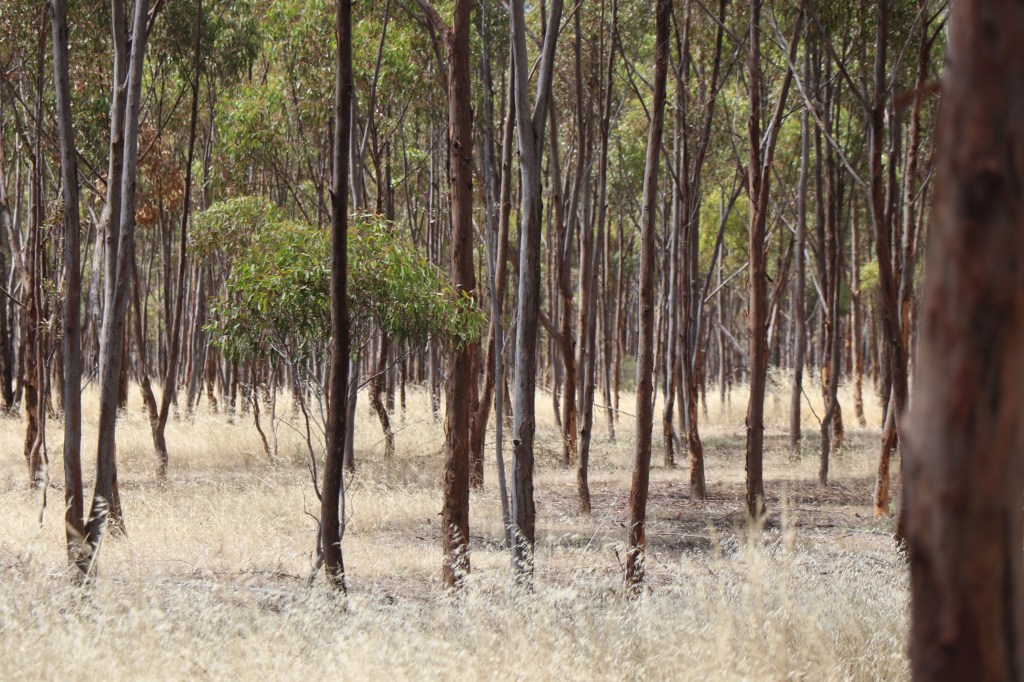
But turn off Barrat Road and head down the Dogwood and you arrive at the official reserve. Here you suddenly come upon some real bush – home to several rare plants and 20 resident birds, as well as some pretty cruisy kangaroos.
Being a curious type I wanted to know the history of its name and the miracle of its survival when much of this area had been transformed to those square patchwork pieces of farm land more than a century ago.


Googling discovered it was called Barrett Barrett Forest way back in the 1880s – reserved for extracting timber and gravel – which does not gel with our conservation philophosies of the 21st century – and a place where settlers used to picnic.
With Wallup (sleeping lizard) just up the road and Murra Warra (place of no water) just down, it kind of seems logical that Barrett Barrett could be an anglicised interpretation of Aboriginal name for this place. Also, the road it is on is spelled Barrat – different again to the reserve name.
Looks like this is a mystery still to be solved.
My walk is one day after big summer storms and I am greeted by a glee club of happy birds. Another curious surprise is the terrain. I am actually heading up a slight hill and the dirt below me is a rich red/ochre colour, not your usual grey Wimmera soil.
With no vehicle or even walking tracks I figure I will let nature take my course. Well-worn roo paths make the perfect route – they know where they are going so how about I follow their lead. (And it seems to be a safer way to avoid any resident snakes too)
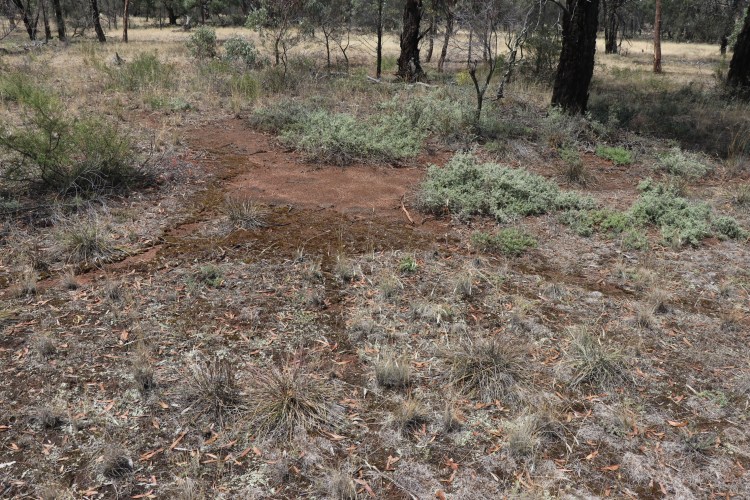
Near the top of the red rise the path comes to an intersection. No roos to give way to but the ants are pretty hectic and on a mission and it is pretty dangerous to stand still.
The trees are skinny and sparse in a lot of places, but part of that might be a legacy of the timber felling back over the past century. The other thing I notice is lots of lichen on the ground – and even on some bright orange variety on one of the plants – something you don’t see everywhere in the Wimmera.
Then, as we approach the end of month two of summer I see something just as unbelievable. A wet swamp. This place obviously holds water and the storm has delivered enough to create not one, but many swamps all over this delightful place. No wonder the birds were so happy.
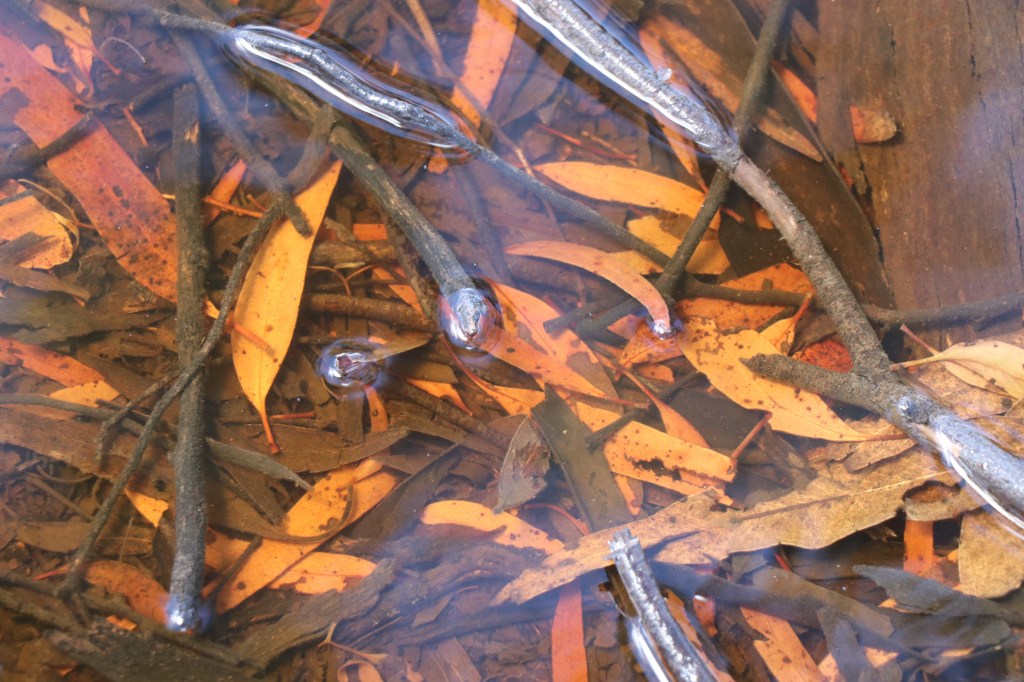
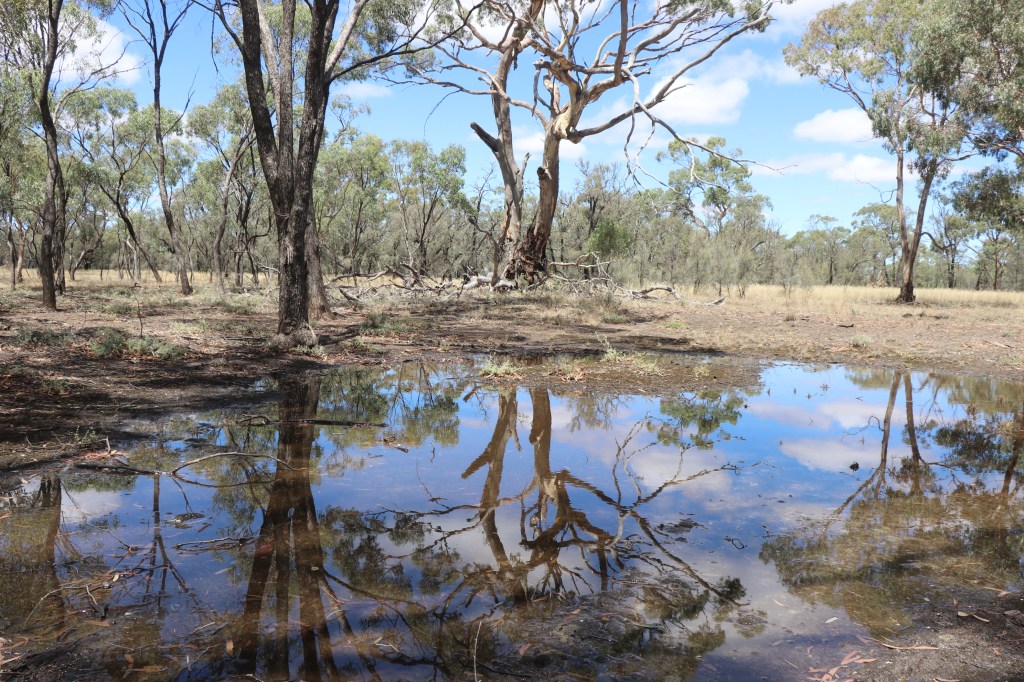
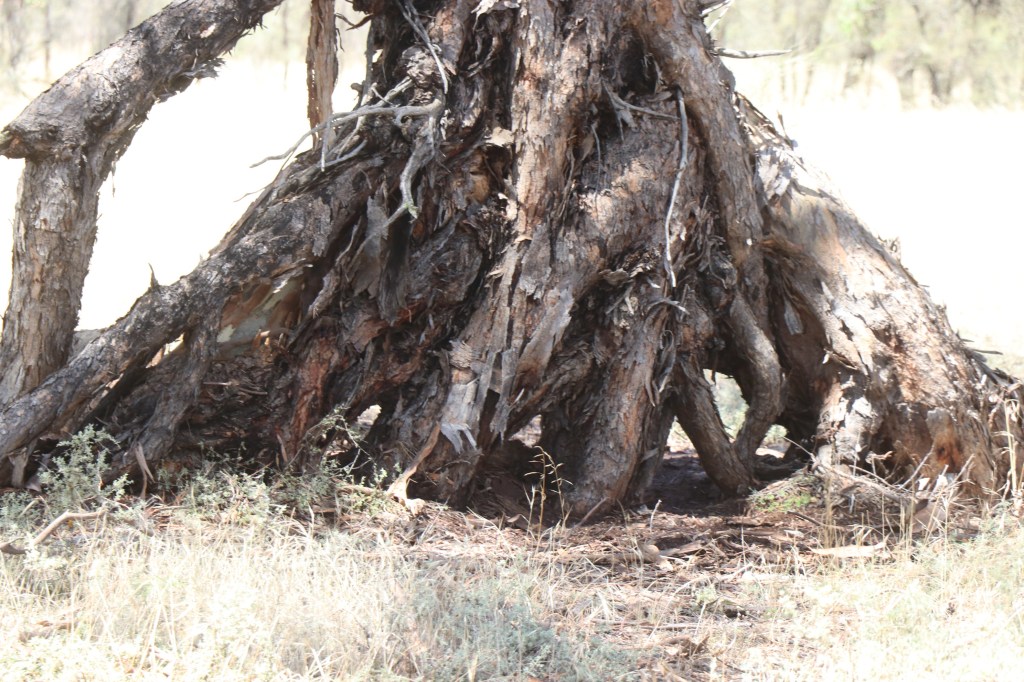
There are some grand old trees near these wet areas and one that seems to have lost some of its soil, but the exposed roots defiantly hold firm. He might be old but he’s not leaving Barrett Barrett in a hurry.
The kangaroos are a different story. They have had their afternoon slumbers disturbed by my footsteps and are casually bouncing off to the next clump of trees. I must not appear too scary for I soon find one lying in the shade and oblivious to my gentle approach.
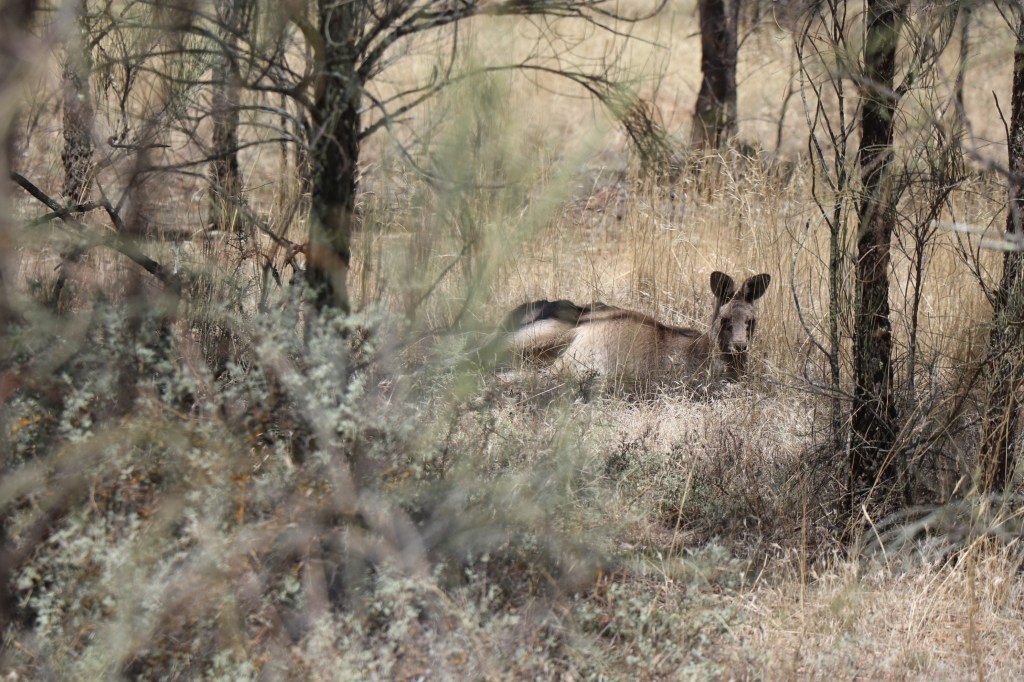
I just get close enough to get a quick picture and then leave them alone.
I notice a line of disturbed soil and on closer inspection it looks like a filled-in channel. Online research later confirms the creation of a channel though here way back in the 1880s.
The peaceful afternoon is suddenly shattered by what sounds like a low-volume flying chainsaw heading straight for my head. I duck and the large insect misses me.
The noises continue as I hear the next lot of trees – a stand of singing bulokes. With their gnarly black trunks and skinny branches and leaves they are not the most buxom of vocalists but they have good sets of lungs no less. Known as the windharps of the Wimmera they collectively harmonise an eerie song from whatever breeze is passing. Mesmerised I decide to lie and listen and look at the trees and sun above. A fly lands virtually on my camera and is captured forever.
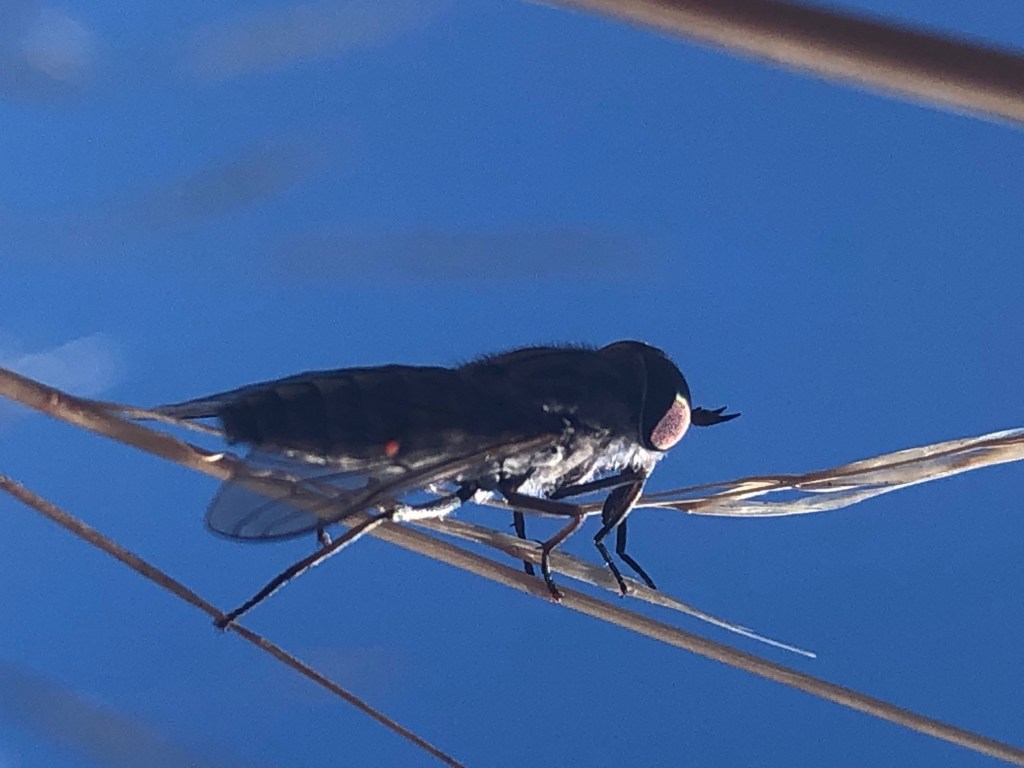
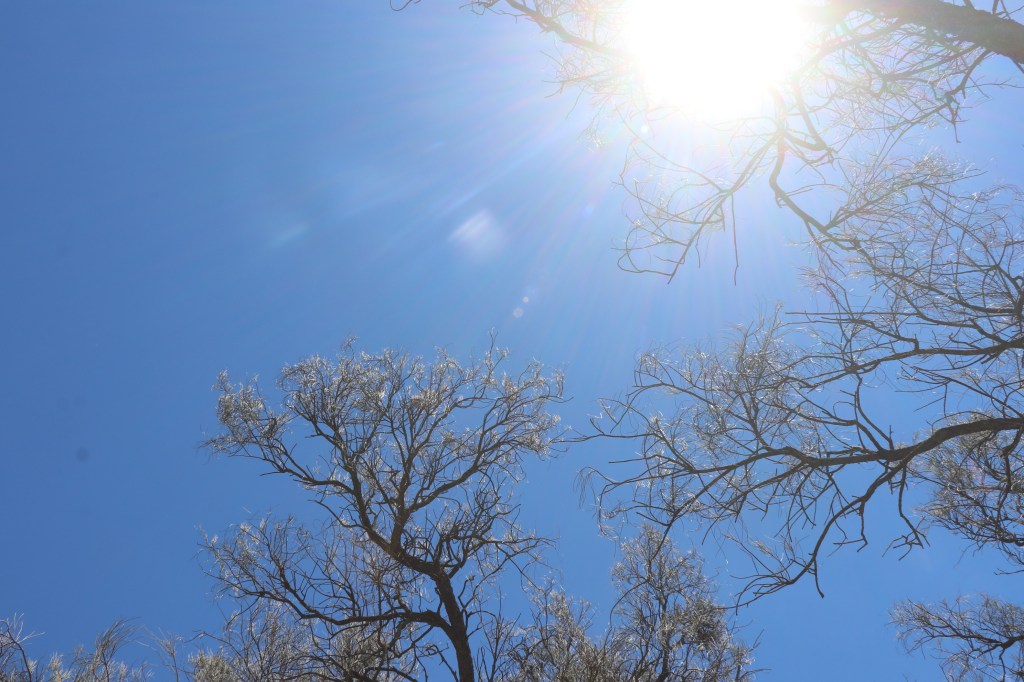
There are a few more wetlands, lots of signs that water has been running and then I start to see some strange holes in the ground – that have nothing to do with a decommissioned channel.
I start to feel a bit creeped out, reminded of the horrors of another forest in NSW. The more I look the more fresh holes and depressions I see. Then, when I see a big hole opening that looks like was yesterday hit with a pressure washer, it becomes clear.
These are probably sink holes created where the force of the storm water has collapsed the earth and revealed an underground cavern.
How weird but reassuring. Might have to watch out for both snakes and shaky ground now.

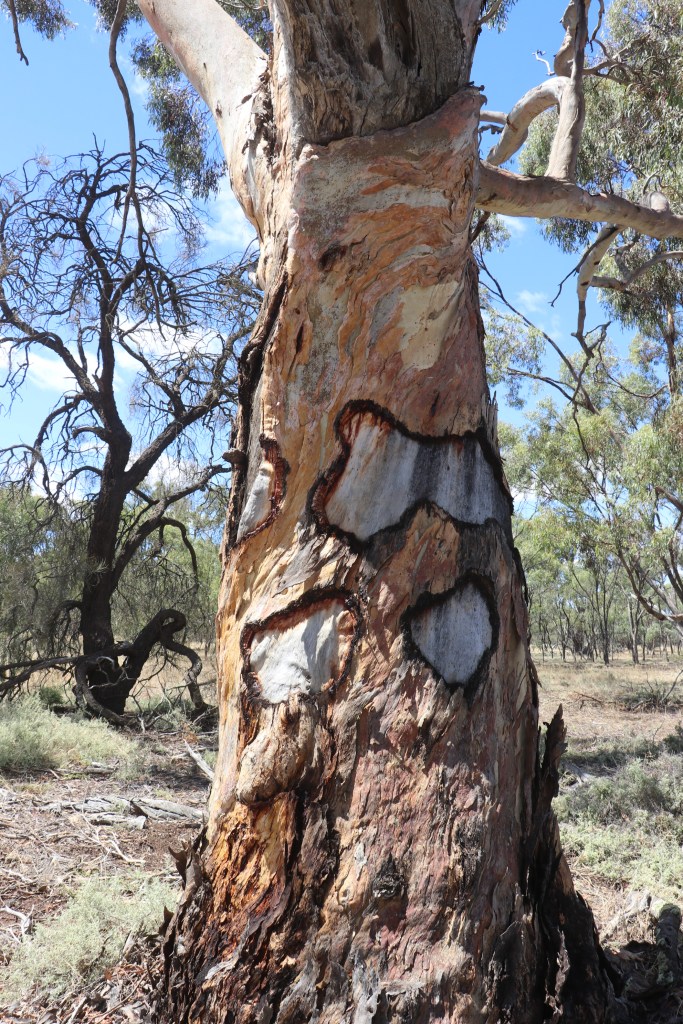
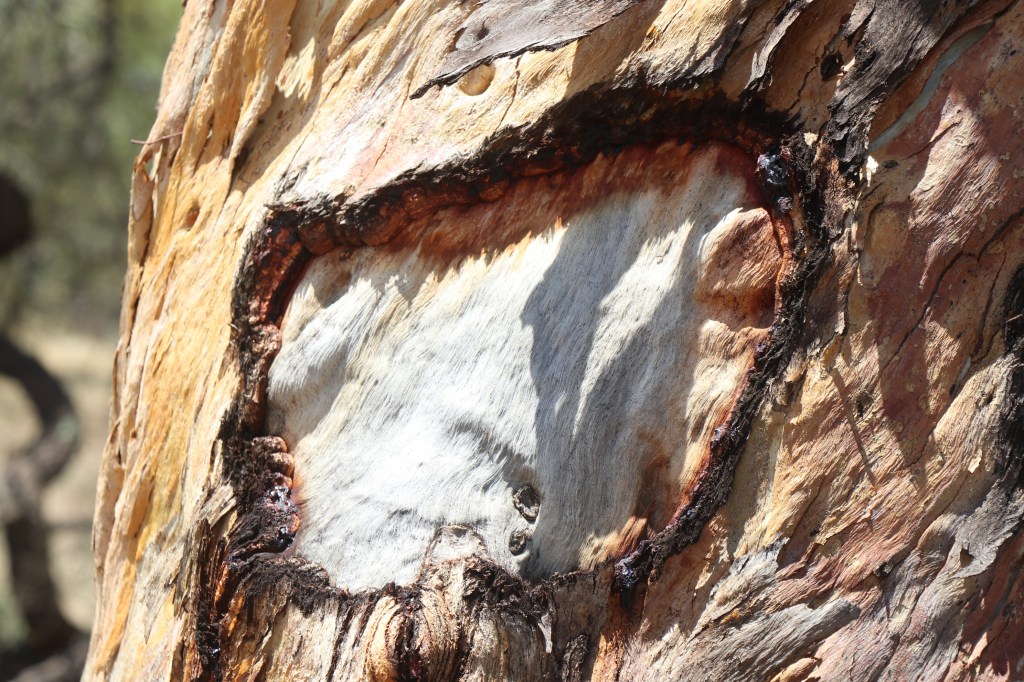
I am surprised and disappointed I have not found an Aboriginal scar tree but I do come across a tree bearing some beautiful scars. Large chunks of bark have disappeared in circles which is possibly the work of an insect.
I also find some ruby salt bush, succulents and at ground level, tiny flowers begining to emerge on a native plant seemingly rejuvenated overnight by the downpour.
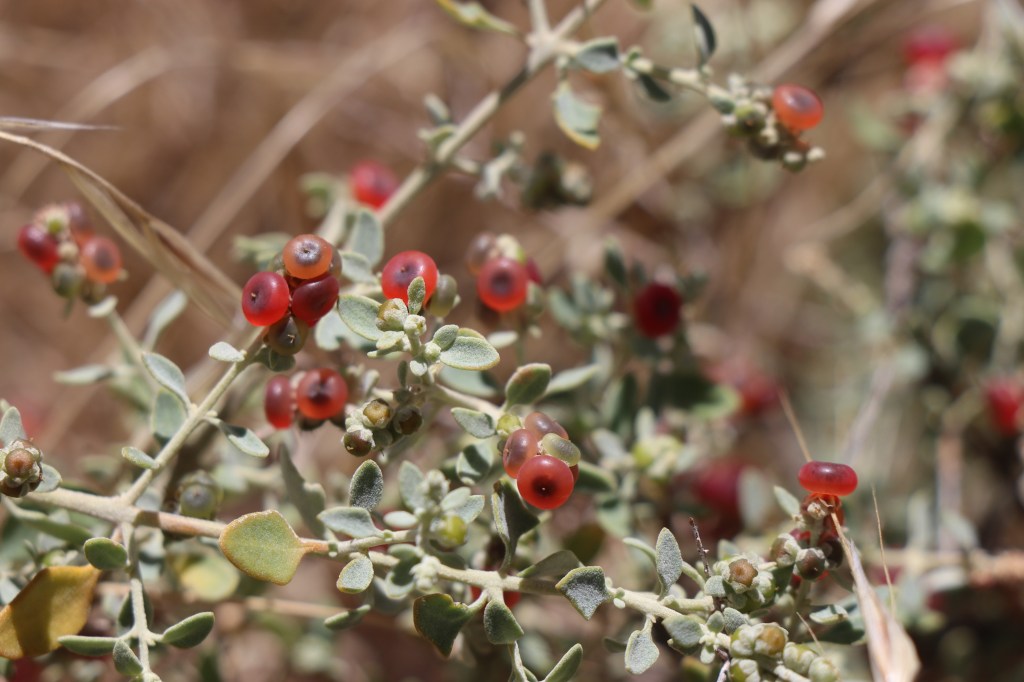
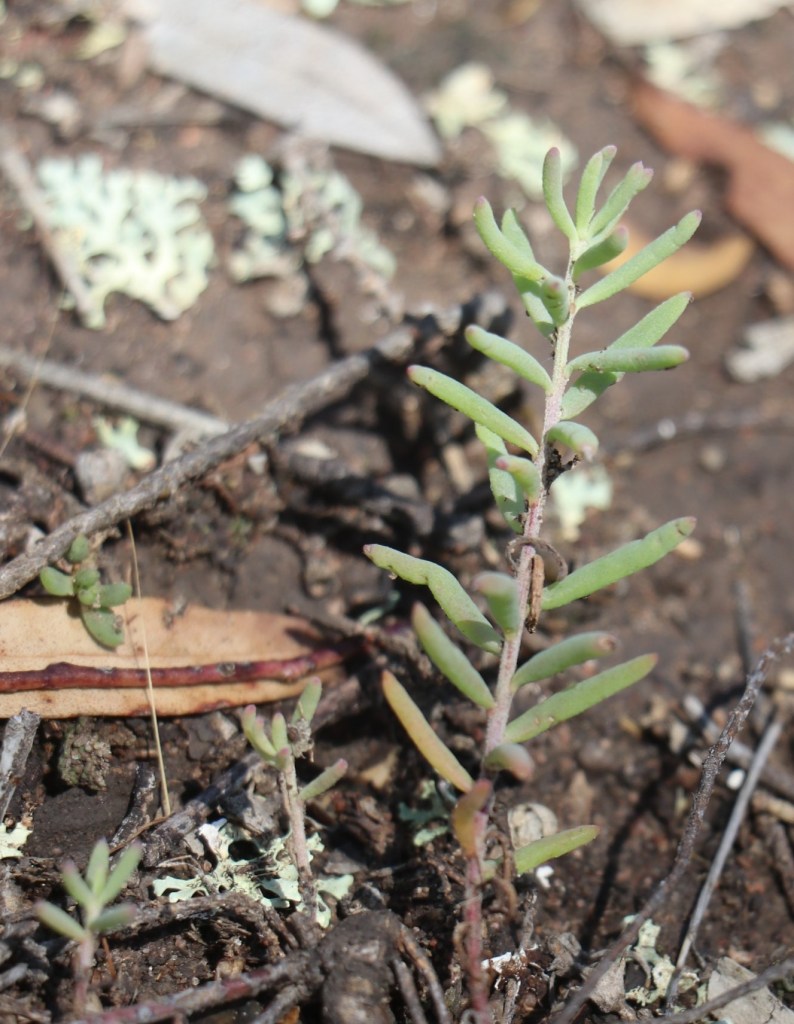
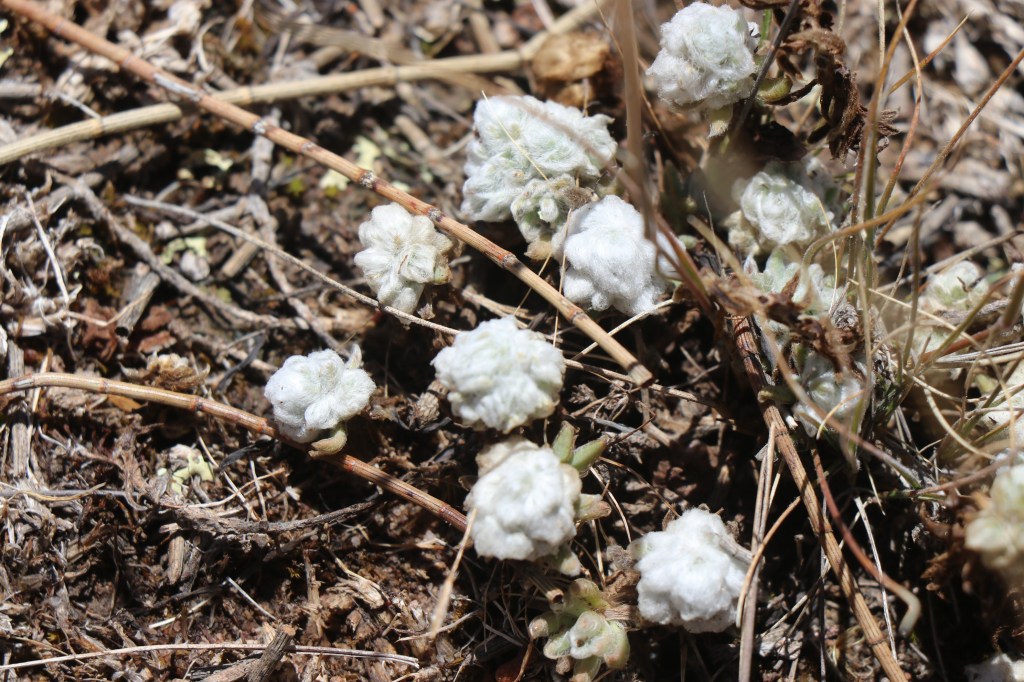
The cicadas also start singing near the end of the walk which might also the explain the flying chainsaw.
In places you find an old tree stump which has been cut but only now and again. For the most part this reserve seems relatively untouched by the recent world events – the farms that surrounds it and the giant wind turbines which have sprung up, and powerfully rotate to the south.

Apparently progress tried to change things in 1923 when a standing committee revealed its plan to sell the 400ha Barrett reserve to pay for a local railway extension. They argued it would be far better to abandon timber production and relocate the trees in high rainfall areas further south.
Like many new arrivals of their time, the Committee did not forsee the future misfortunes of rail and also underestimated the resilience of those that have endured on this harsh plain for 1000s of years.
When you look at the bold new shoots on one eucalypt and you see veteran yellow gums standing tall and proud despite more dry years and wet ones over the last 20 years, I am eternally grateful that the committee’s plan did not have legs and Barrett Barrett and all who live here and cherish this place, are the ones still standing – and standing tall – today.
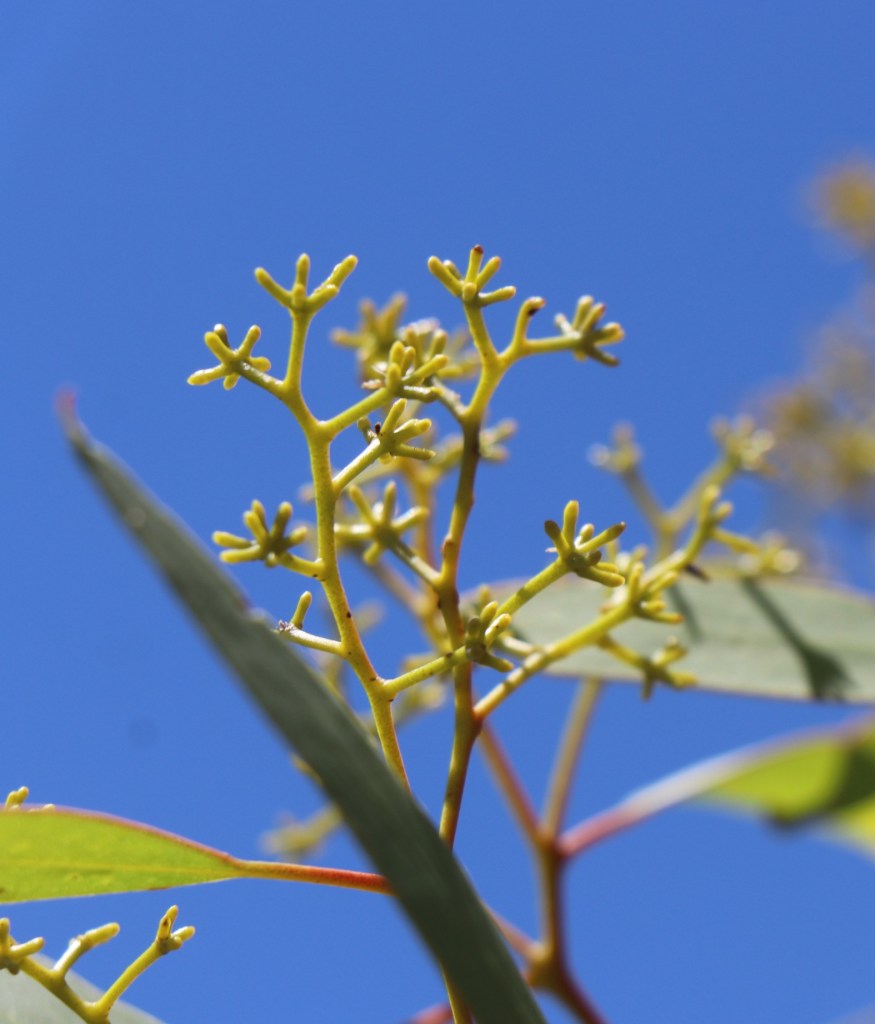
With their gnarly black trunks and skinny branches and leaves they are not the most buxom of vocalists but have good sets of lungs no less..
Windharps of the wimmera
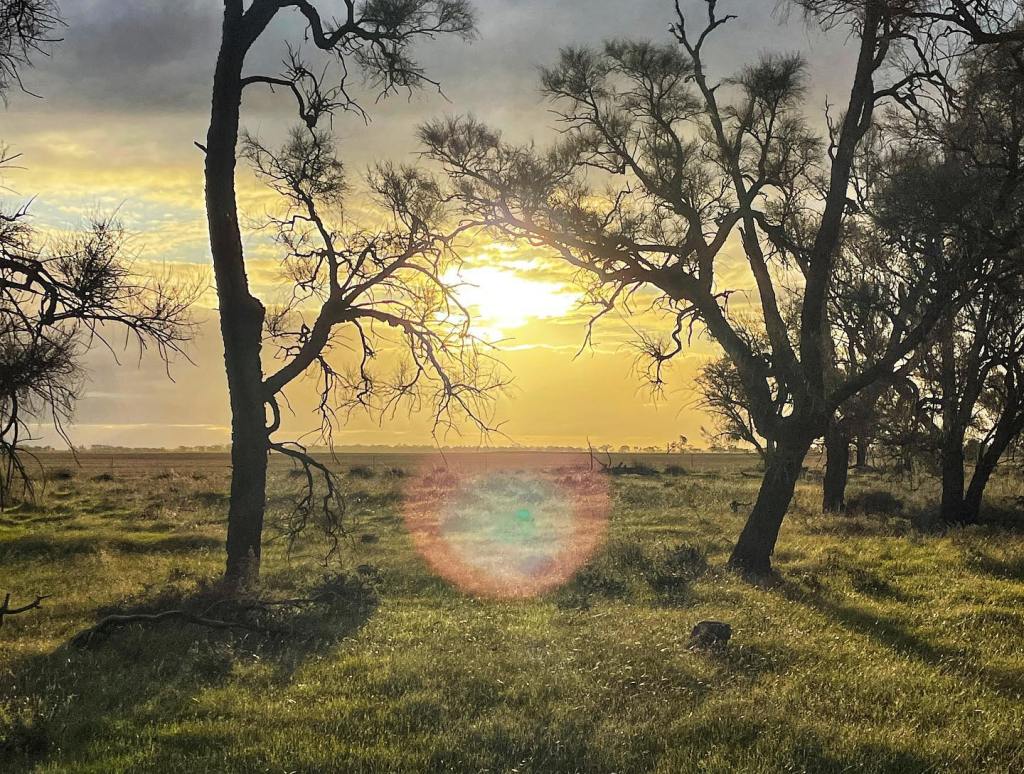
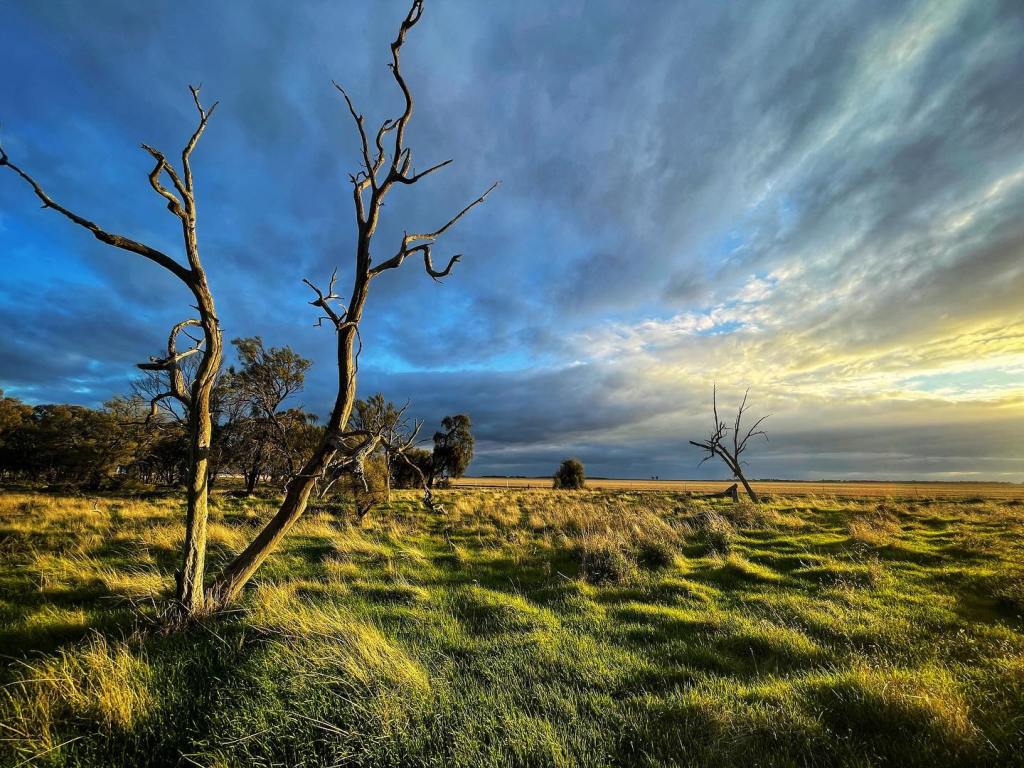
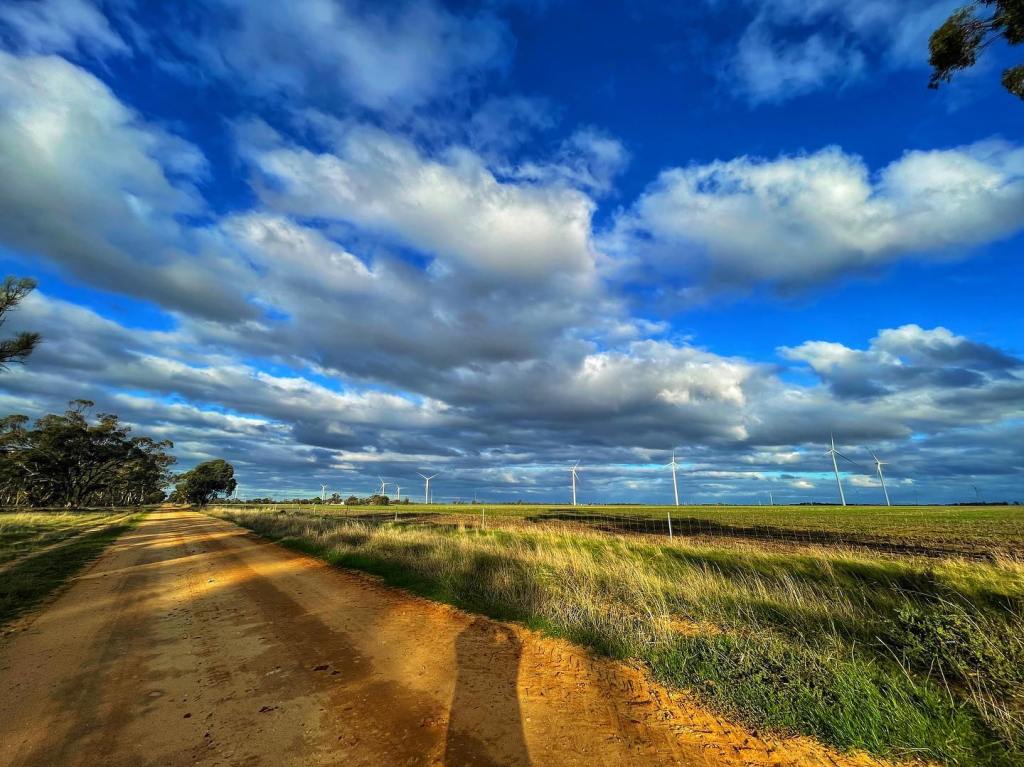
UPDATE – above are a few images from winter 2022, when the late afternoon sun burst out of the stormy grey clouds.
 52 weeks 52 walks