
Week 21 – Tchum Lake revisited
What – Tchum Lake – lake, camping ground and reserve, about 4km walk in total.
Where – 10km from Birchip on Birchip Wycheproof Road
In 10 words – Oasis in a sea of crops – awesome box trees, running water
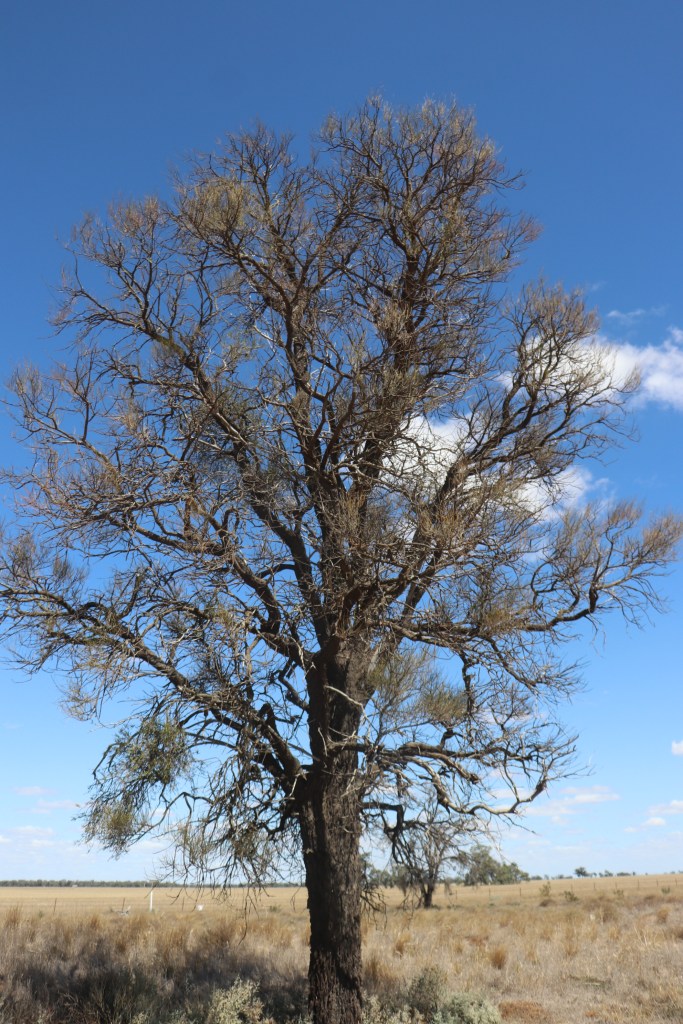
It sits is in one of the driest parts of Victoria.
Off the beaten track, tucked between open cropping country, sporting a fairly unknown name and probably the last thing you might expect to find
But Tchum lake – Birchip’s very own oasis – is well worth a visit.
On the northern tip of the Wotjobaluk Nations, it is about 10km east of Birchip and one of many lakes created during with Wimmera Mallee channel supplies in the 20th century.

Families in remote Victorian farming communities needed water for connection, sport and escape from the hot and the dry. Tchum provided that escape and – unlike some of its counterparts – it still does.
During the 1980s local farmers worked to transform a swamp into this lake which has become a haven for wildlife, swimming, watersking and fishing.
Dry seasons in the 1990s hit the water supply but, with the advent of the Wimmera Mallee pipeline, the community was able to buy an allocation to fill the lake each year.
Locals manage the lake and its campgrounds, with fees offsetting the water cost.
But the lake has not only been good for the mental and physical health of locals people.
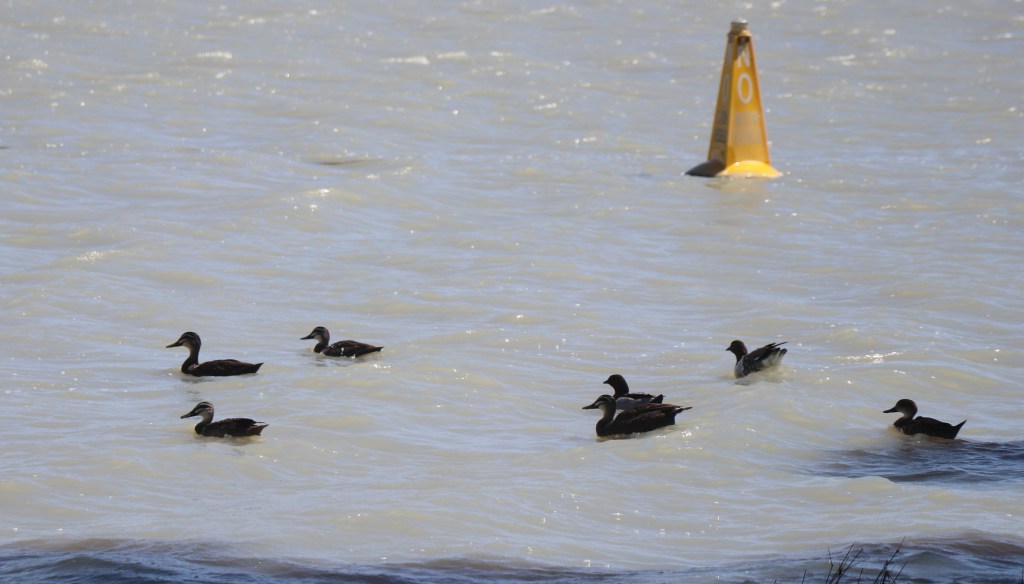
Wild life, including birds, frogs and turtles have also flocked the area including coots, egrets, darters, pelicans, swans and ducks.
I start my walk on a track through a paddock of black box next to the lake which is part of a bike path linking the lake to Birchip.


Several sign explaining the site stand between clumps of gnarly old trees which possibly formed the fringe of the swamp and got their feet dampened in wetter years.
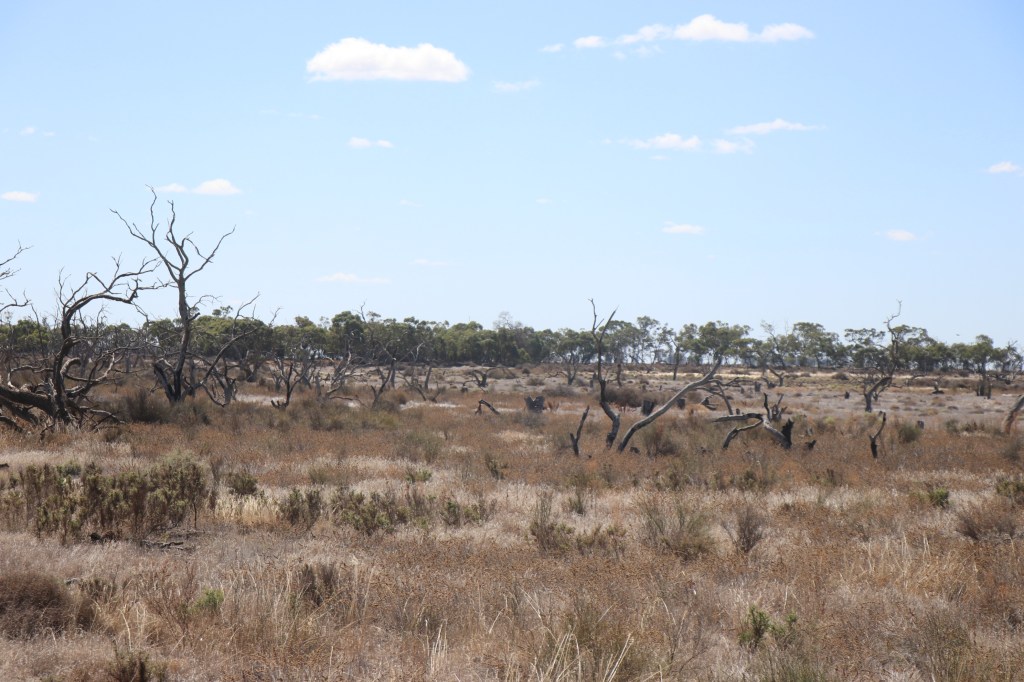
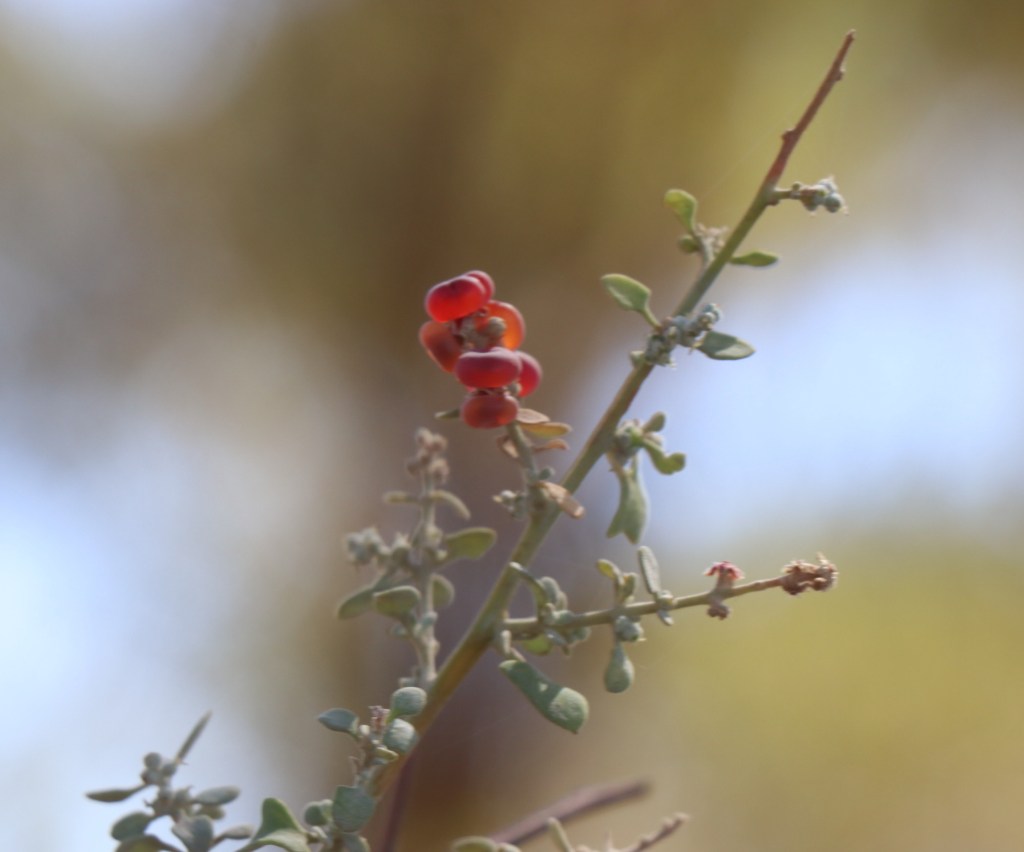
It is hot and dry and the southern Mallee does not appear to have any wet feet in a while. The ruby salt bush berries are burgundy and shrinking like sultanas and other the succulents seem very thirsty.


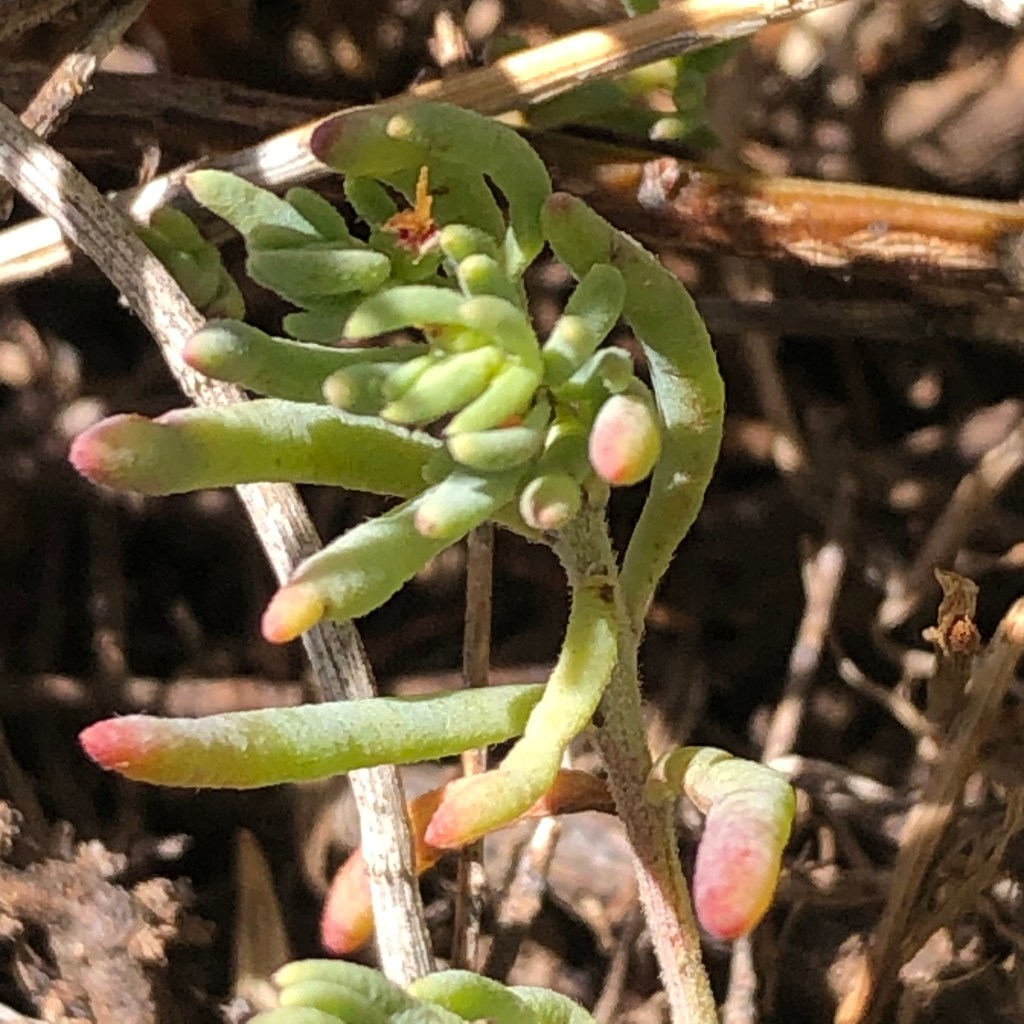
My wander along the gravel paths is a vivid illustration of the guts and determination it takes to live and endure in the Mallee.
The trees are grey and tough, the ground has visible cracks and many of the hand planted trees seemed to have simply said’ no’ and keeled over before get much higher than the tree guard.
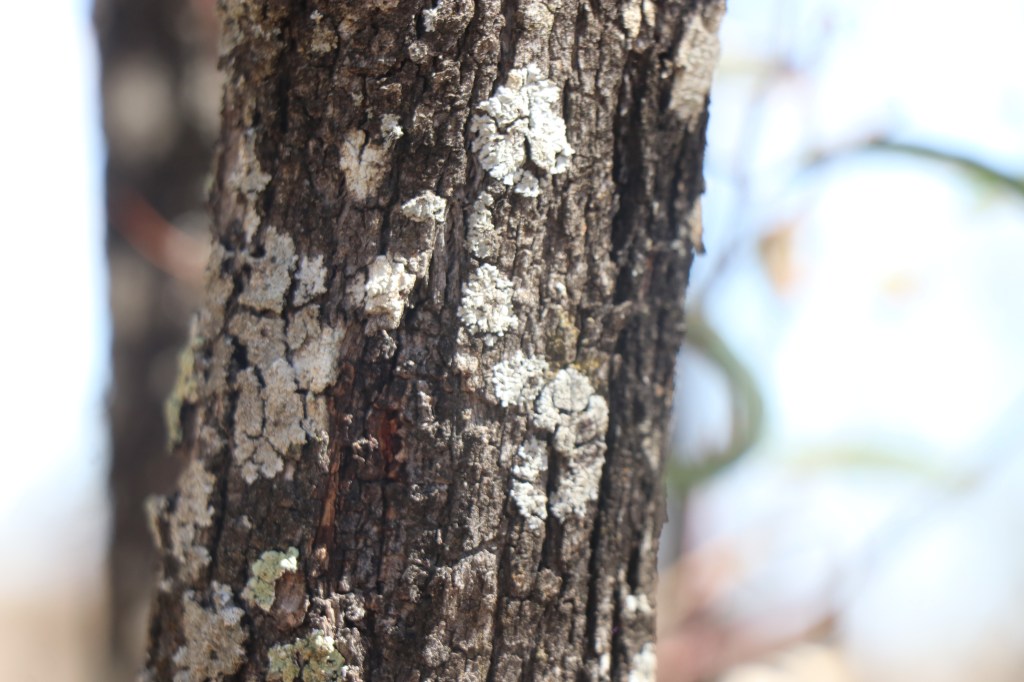


But then – just to prove you wrong – there appears bright red fruit on a salt bush, lime green buds on a tree and other hand planted trees bursting forth.
They never say never around here.
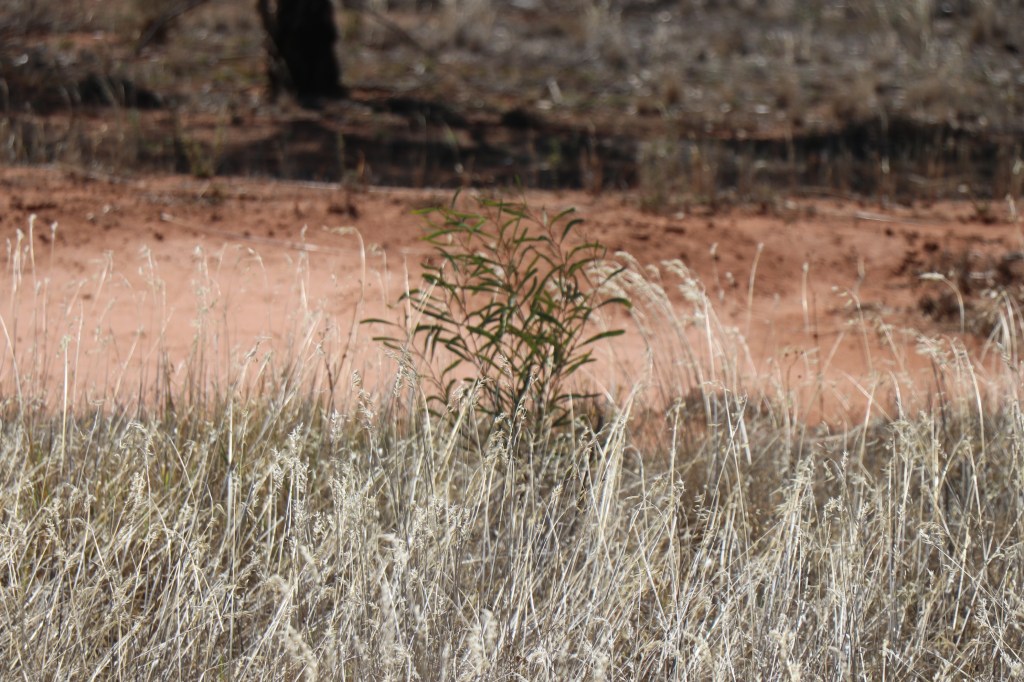
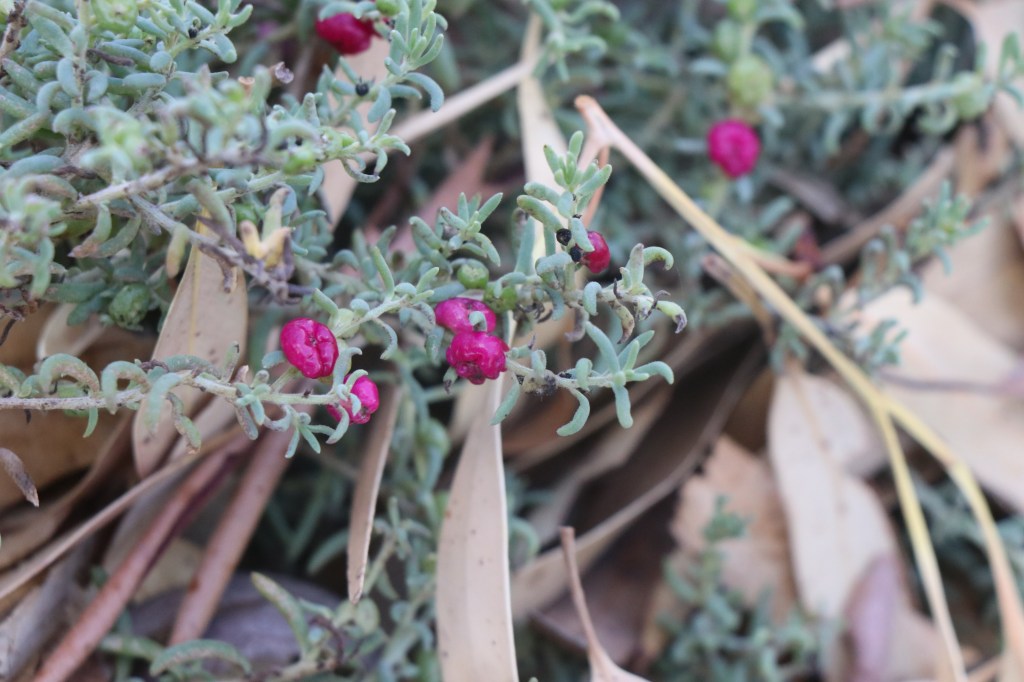
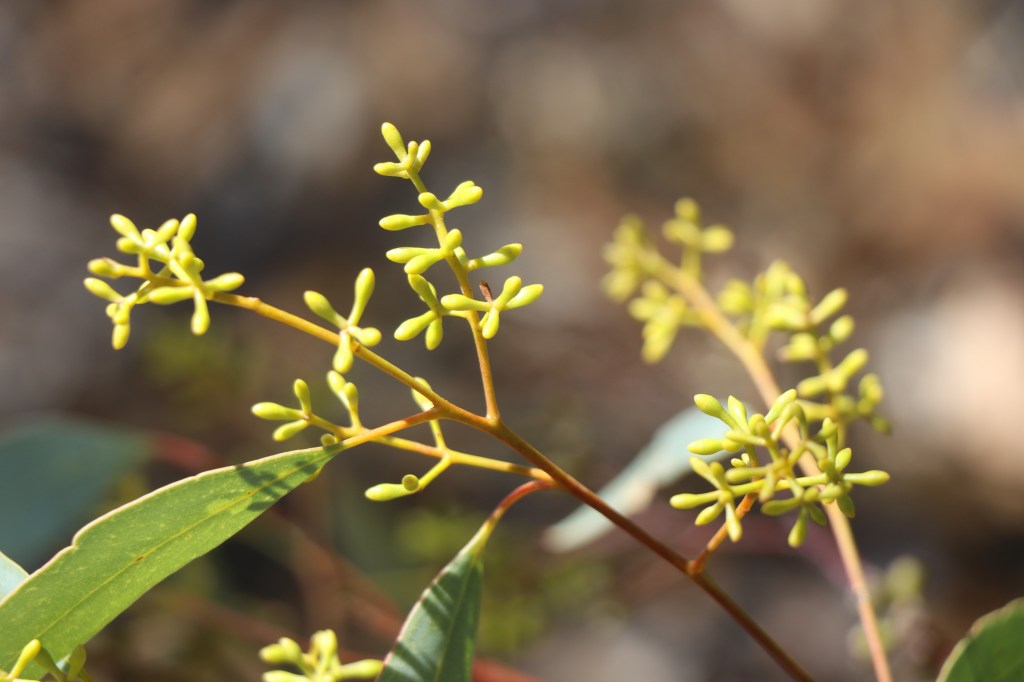
I return back to the lake and start walking around its edge – initially on the old swamp area beyond the bank.
Here there are plenty of long-time arboreal residents enduring in the sand, their horizonal roots growing on top of the ground.
Several others stand in a line – branches invisibly folded – defying the doubters.
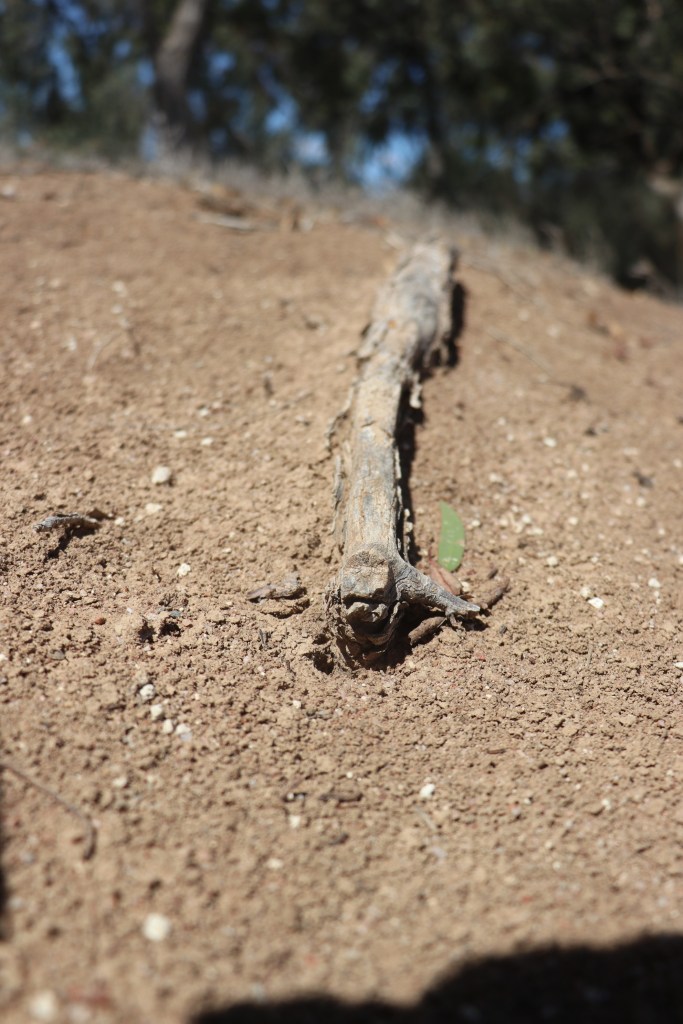

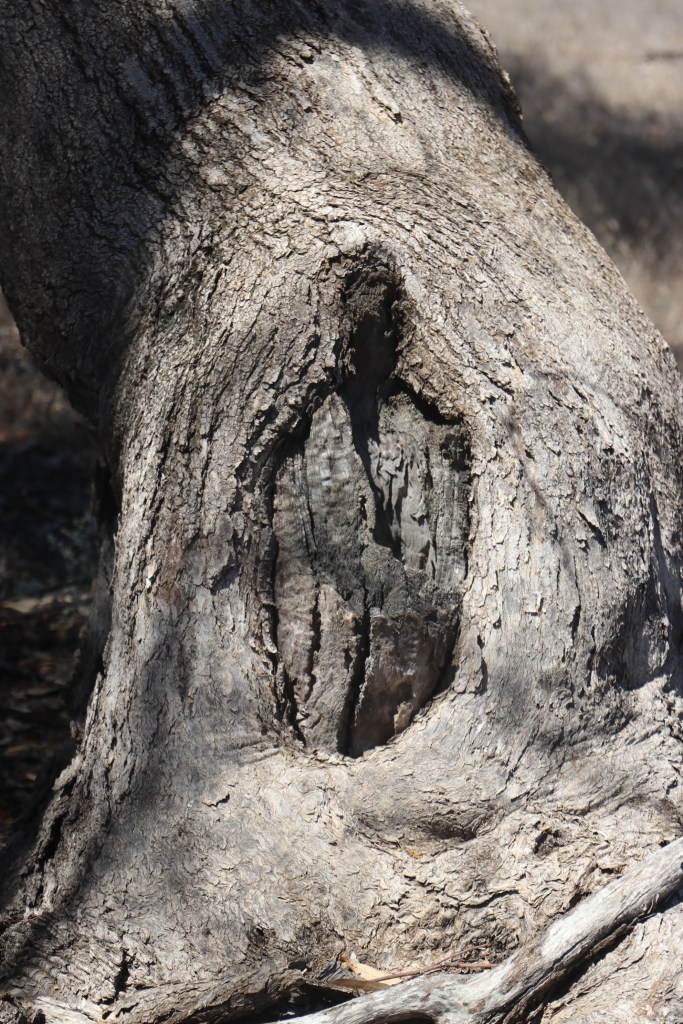
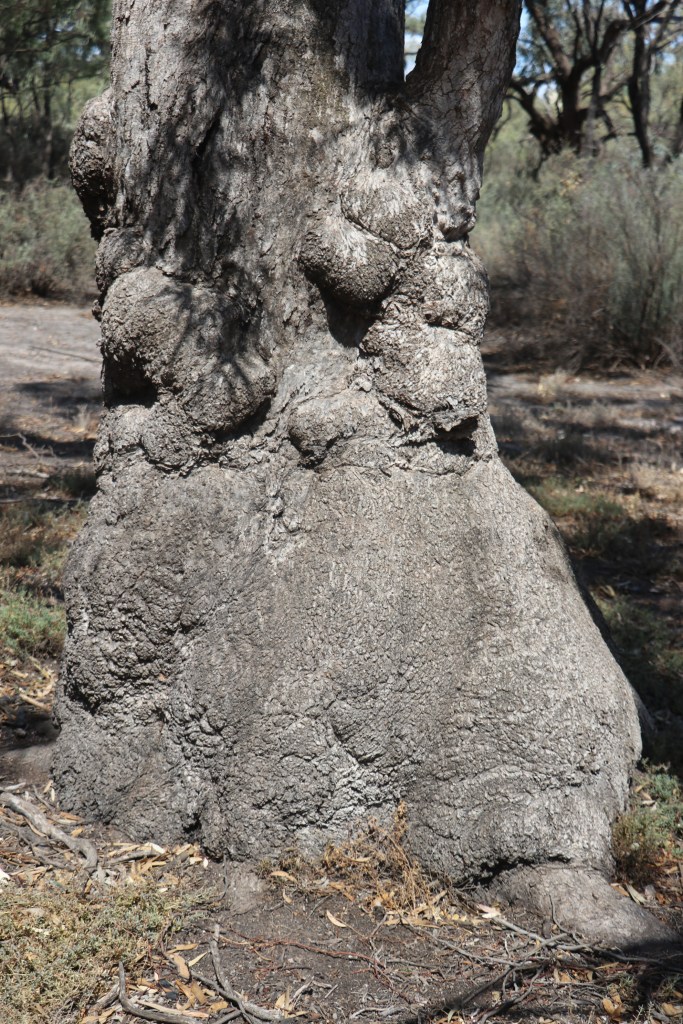
A camping area down the back features some shady trees, one with a trunk like an elephant foot and another with a small round scar. They probably did not need a lot of canoes up here very often.

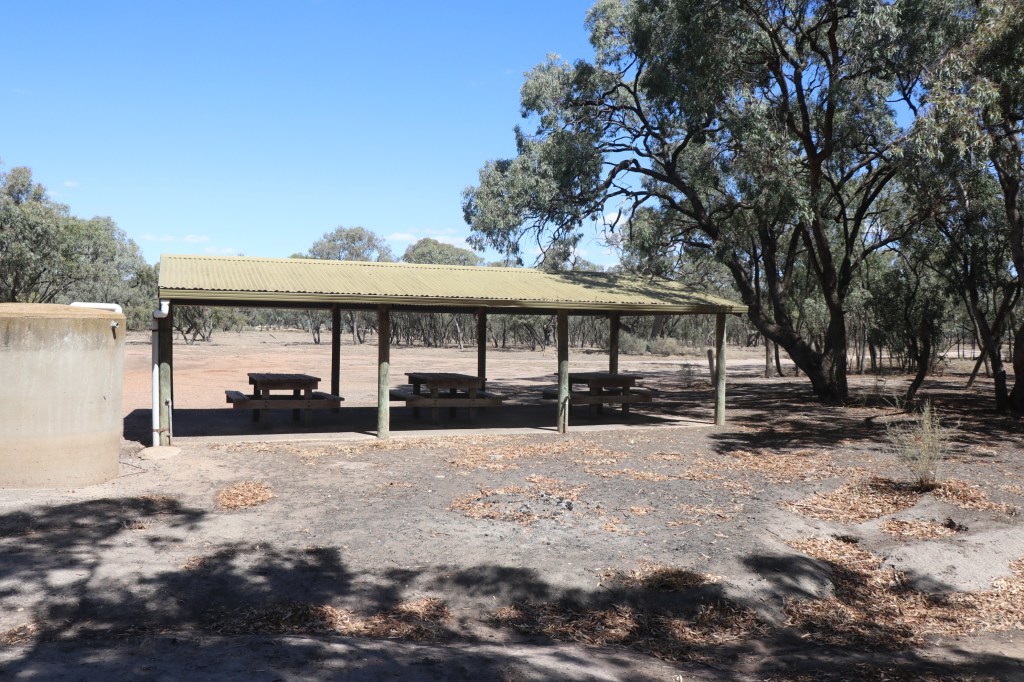
Then, when I climb up the bank to the lake the world changes. There is green grass, big red fruit on the little salt bush, robust introduced trees and the sound of water lapping.


Several campers laze by tents and a boat bobs gently at the water’s edge. There are even a few rabbit burrows so there must be plenty to eat around here.
Around near the main facilities I see swimming area with both a floating pontoon and a mob of ducks both rising and falling with the waves.


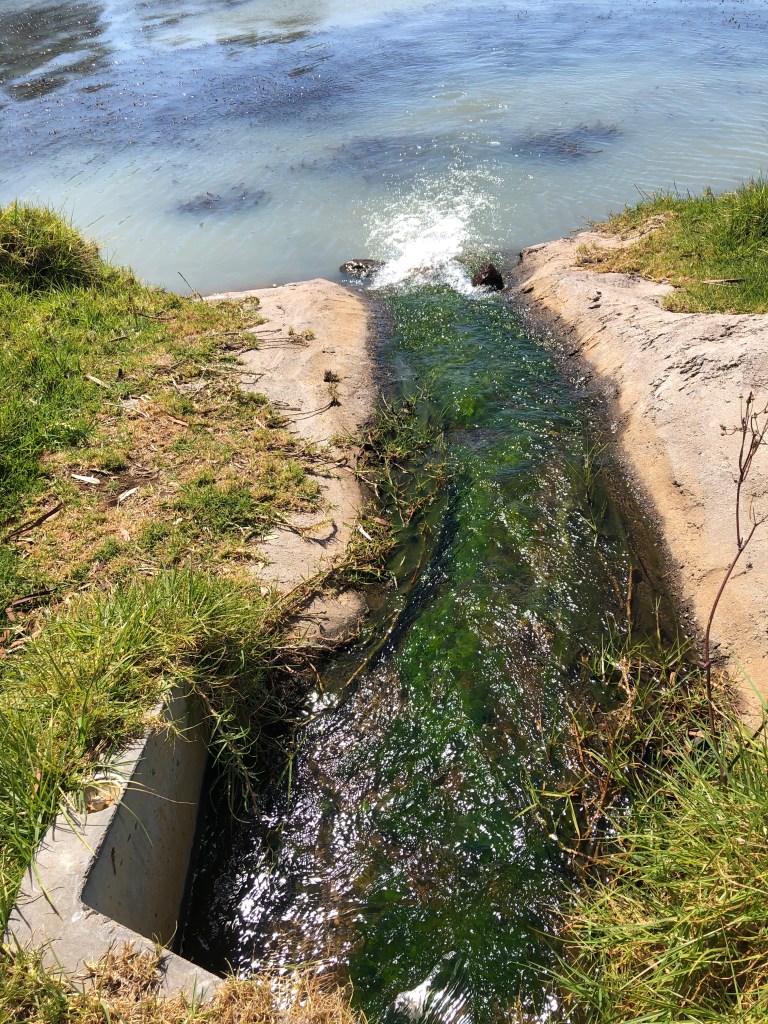
Planted shrubs form a buffer between the lake and the road and towards the western side I hear the sweet sound of water flowing into the lake.
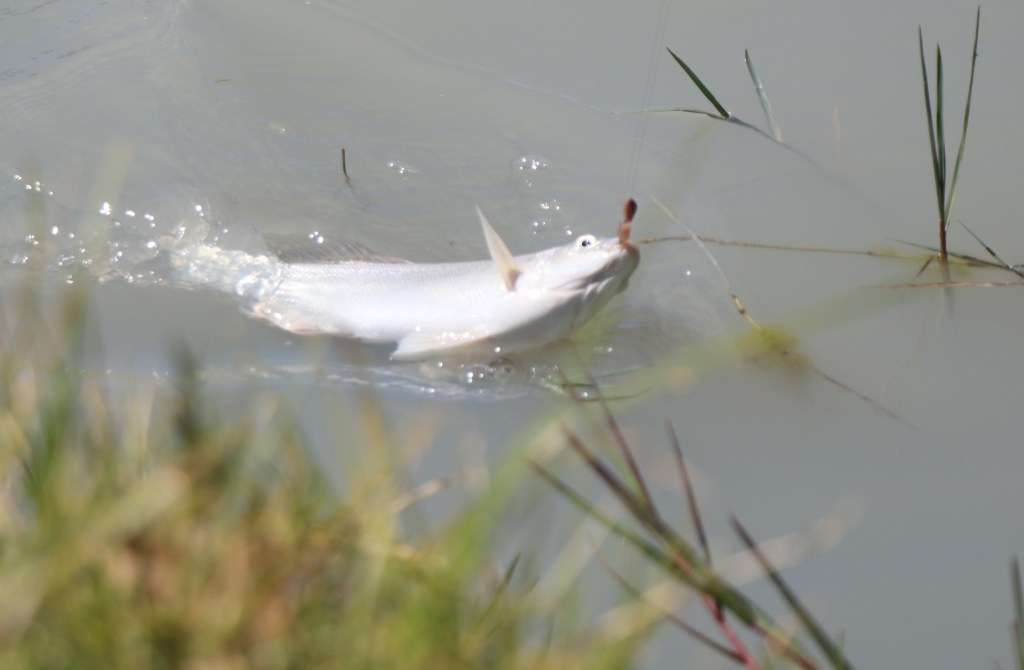
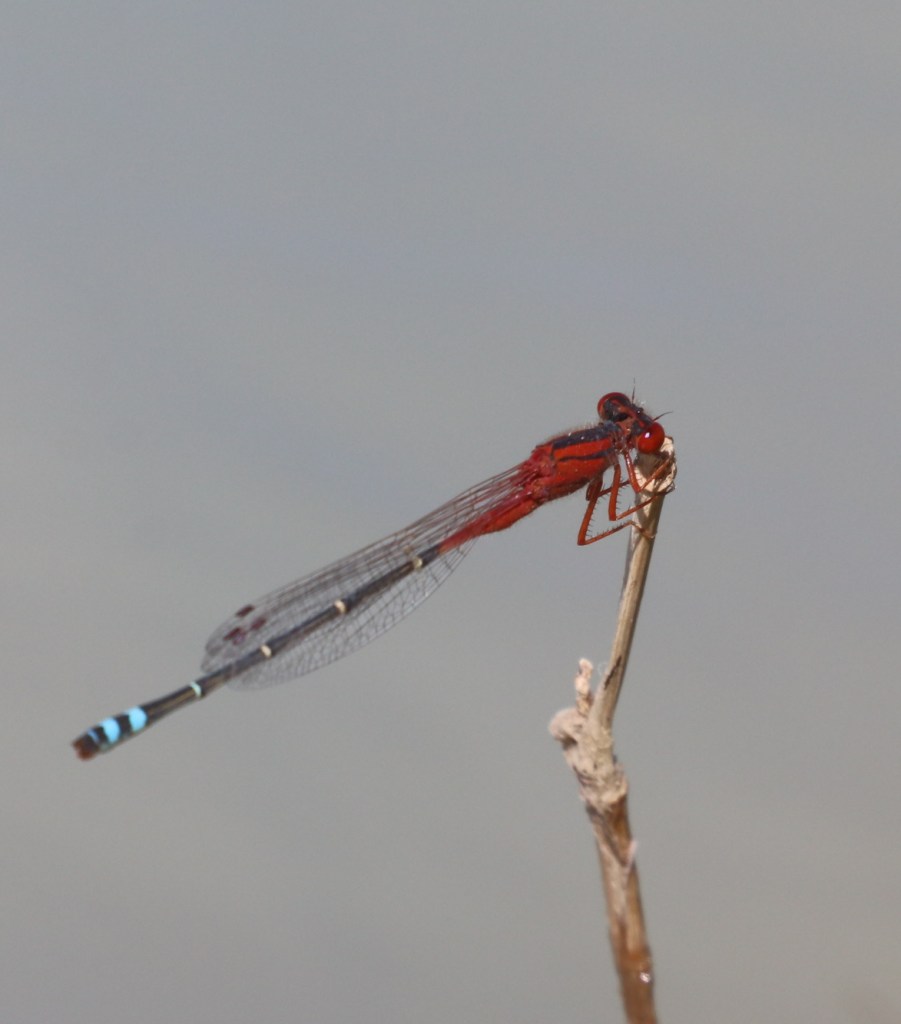
I see fish caught and watch insects gently cruise along the shore.
It is an oasis and like the tough old box trees, it defies our view of the thirsty Mallee.
It is not the easiest of environments, but the trick is finding out the best way to work with it and the people of Birchip have done that. – and very successfully.
 52 weeks 52 walks