Week 20 – St Mary’s Lake, Tooan
What St Mary’s Lake – dry lake and reserve. 5km walk
Where – Tooan Mitre Road, Tooan
In 10 words – Beautiful beach, great trees, quite kangaroos – there’s something about Mary

It has been a busy few weeks with a sick mother and one-legged one-armed son so walking has been a bit of a challenge.
Not to be beaten and I steal away late on Sunday to explore St Mary’s Lake, Tooan.
I was first here in the 1990s, camping and catching yabbies – something that probably has gone on for 1000s of years.
Today the yabbies are sleeping way below the sand and dry St Mary seems slightly, dishevelled and abandoned. But like most things in the Wimmera she’s a survivor and it does not take long to get the feeling this place had plenty of character.


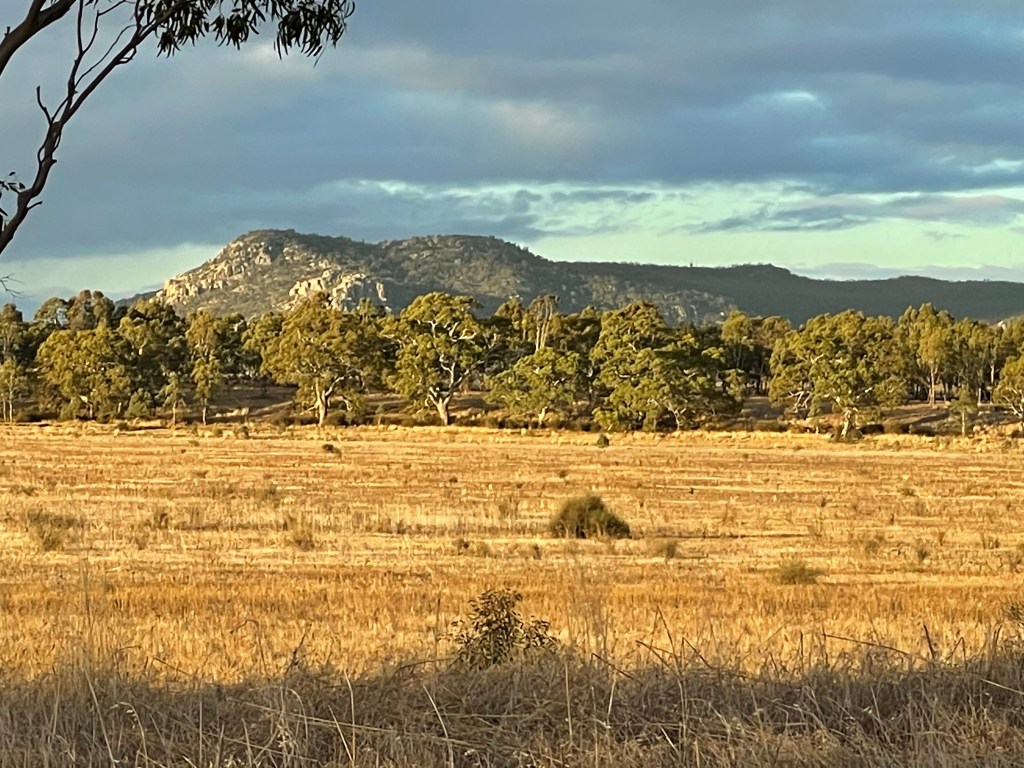
She sits just across the paddocks form Mount Arapiles – Dyuritte – where traditional owners have for thousands of years, maintained deep spiritual and cultural connections.
Recent cultural discoveries at Dyuritte have included rock art sites, artefact scatters and quarry sites.
Googling did not find any sites at St Mary’s, but standing on the rise overlooking the big lake area – you imagine it has been a good place to prop and to find a feed for 1000s of years.
That is probably what white fellas Messrs Glendenning and Urquhart also thought in 1845 when they decided to create a St Mary’s station in the area.
In 1884 the Shire of Arapiles formed at a farming village by lake and 10 years later an Arapiles village settlement was formed in the same area.
On New Year’s Day in 1909 the Tooan Sports events were held here, complete with foot and horse events and a ball.
Today it is hard to imagine a bustling settlement anywhere near here. There is no cheering or horses or music – only the gentle wind, distant tractors sowing into dust and resident birds.


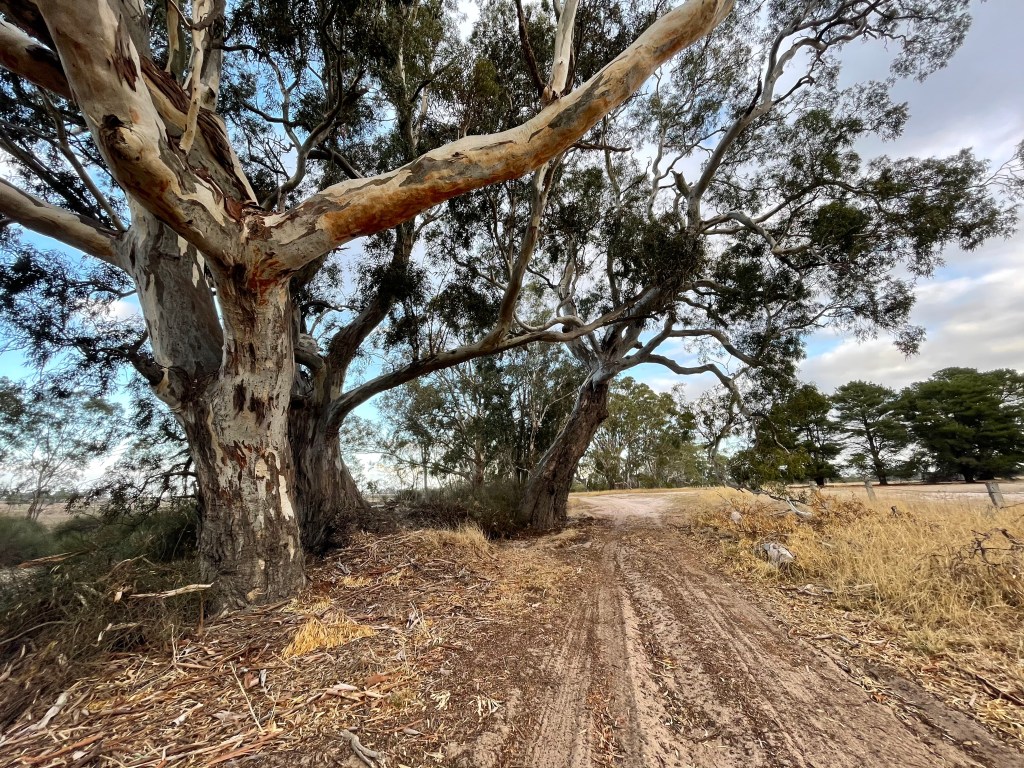
I start at the top of the grand tree-covered lunette on the eastern end and follow the track around the northern bank. The shore has an impressive beach and must have been a great place to sit and watch the day go by when there was water in lake.
While the lake is ringed by giant eucalypts, the lignum that grows in the sand beneath them is perfect for rabbits. And lots of them.
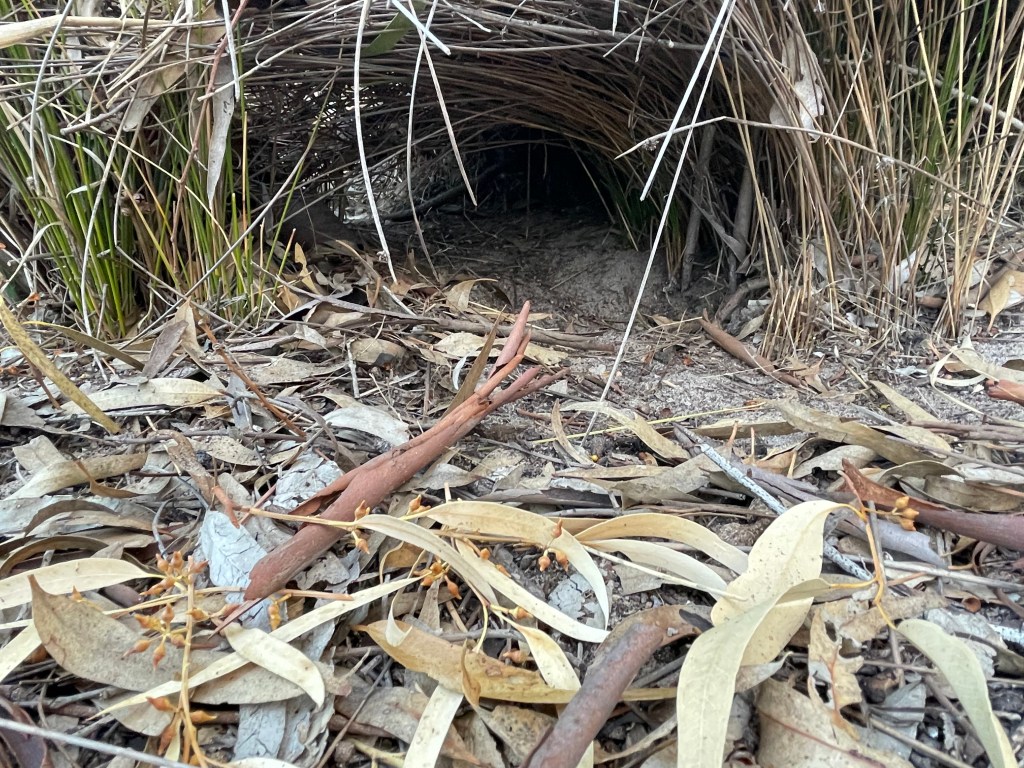
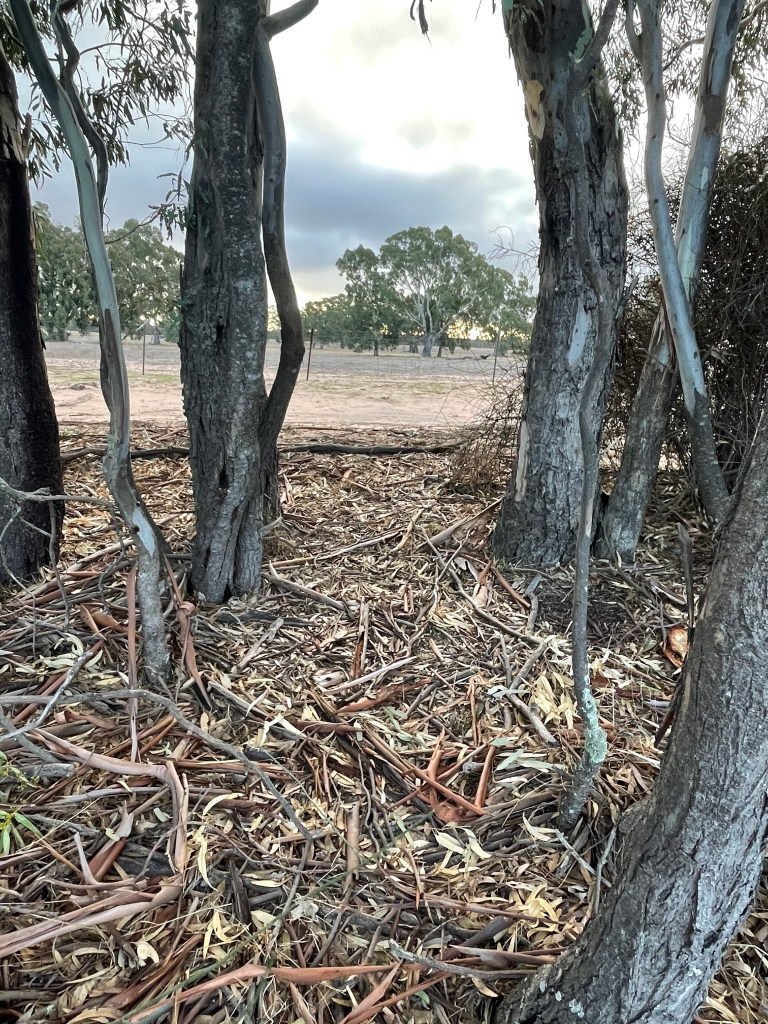
It does feel a bit bleak along this stretch of the shore. An old sign rusts on a tree trunk, a stretched-out dead fox grins hideously at me and, over the fence in paddocks it’s just stubble and dirt where emerging green crops should be.


But don’t panic, there is still life and beauty in this old lake.
Just take the dionellas growing like weeds along the shore line. And the stunning and colourful lichens – bursts of curly golden-orange ‘flowers’ and chocolate ones with a bubbly white borders.

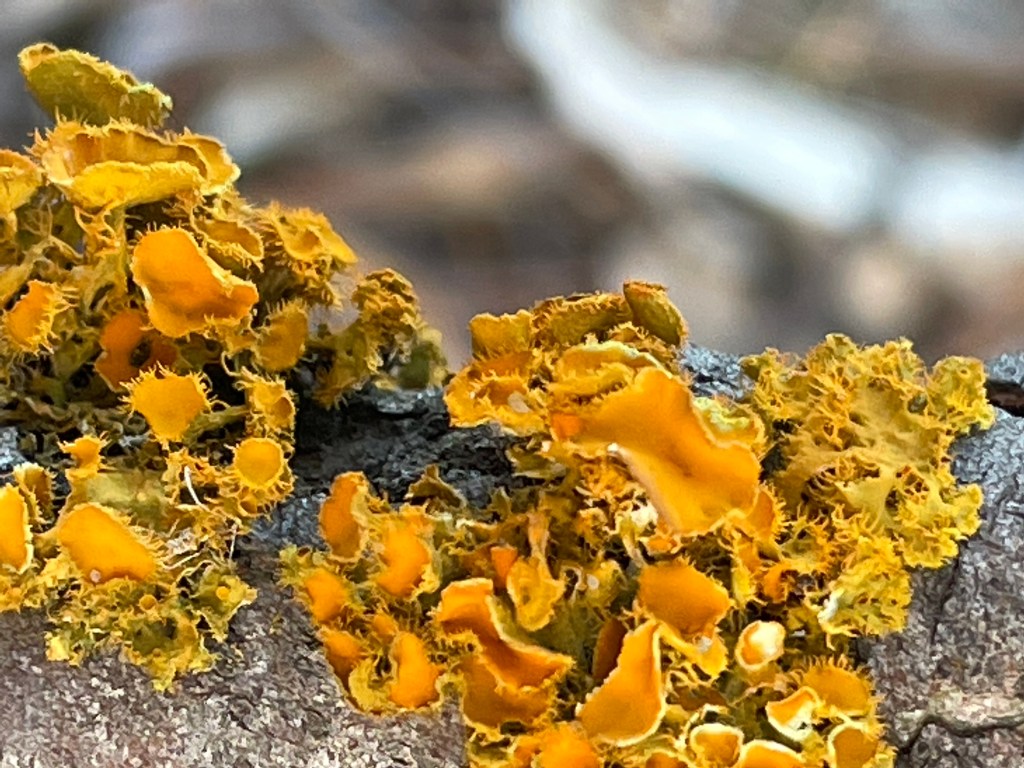
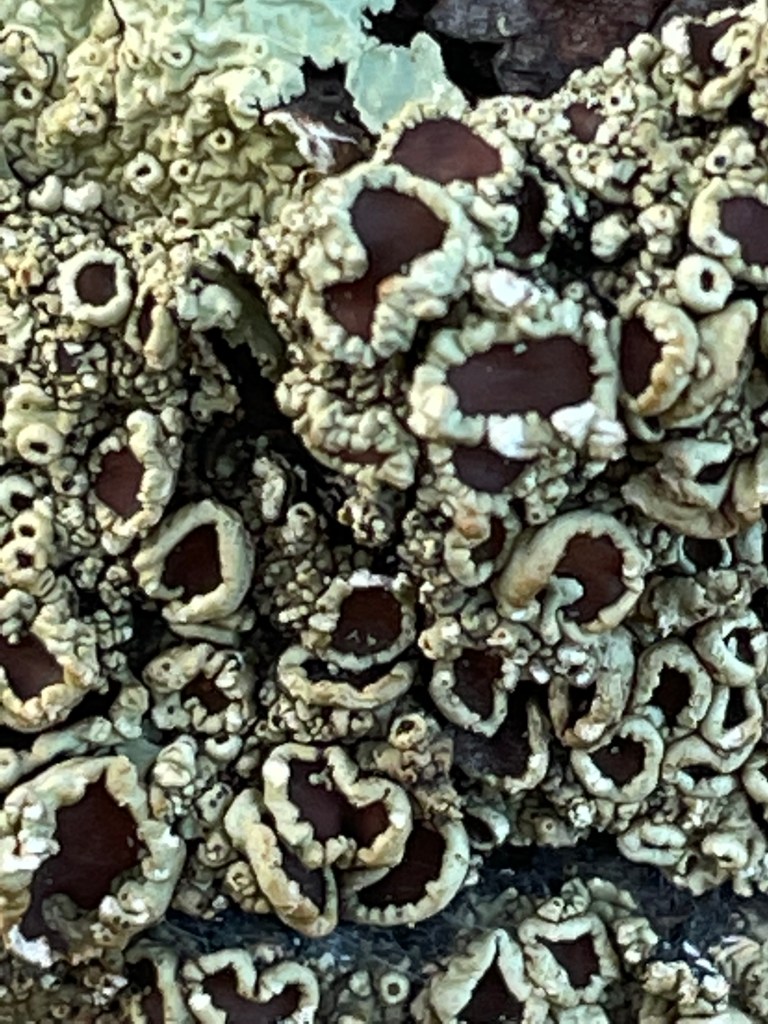
I come across a row of pines, veering away from the sandy track. It all seems a bit ordered for this wild place and a bit further along I see why. It was a track to a cemetery – although I reckon they might need a hearse with 4WD. I double back and take a look.
What a place to ‘rest’. The cemetery ‘garden’ features lemon-coloured banksias growing randomly right across the site. Resident caretakers are a community of noisy, happy birds which only add to the charm.


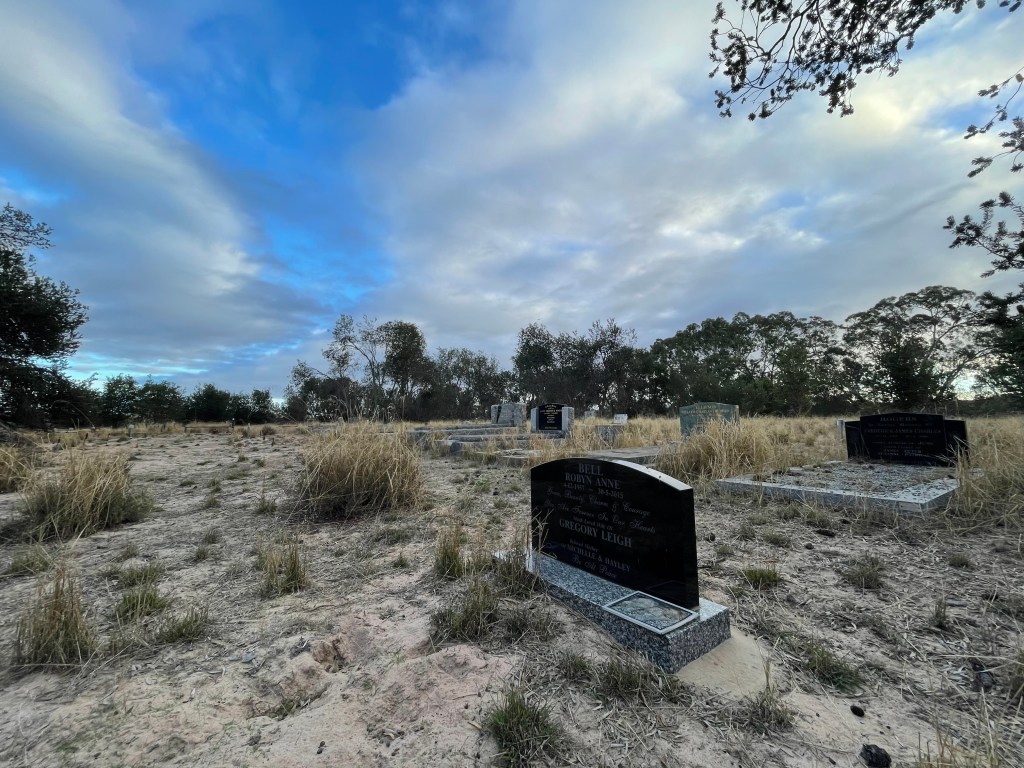
For a cemetery it is a happy place and as I wander around I see it residents include our past favourite veggie grower Reg O’Connor. I reckon he would love those flowers.
It seems odd it being way out here, but when you think of all that settlement action in the 1800s, it makes sense.
I head back to the track and get an awesome view of Arapiles or -Dyuritte – the late afternoon sky is ominously grey and matches perfectly with her rocky curves.
To the west I discover a second smaller lake with steep a bank covered in flattened long grass resembling long blonde hair. Would not want to get the knots out of that lot.
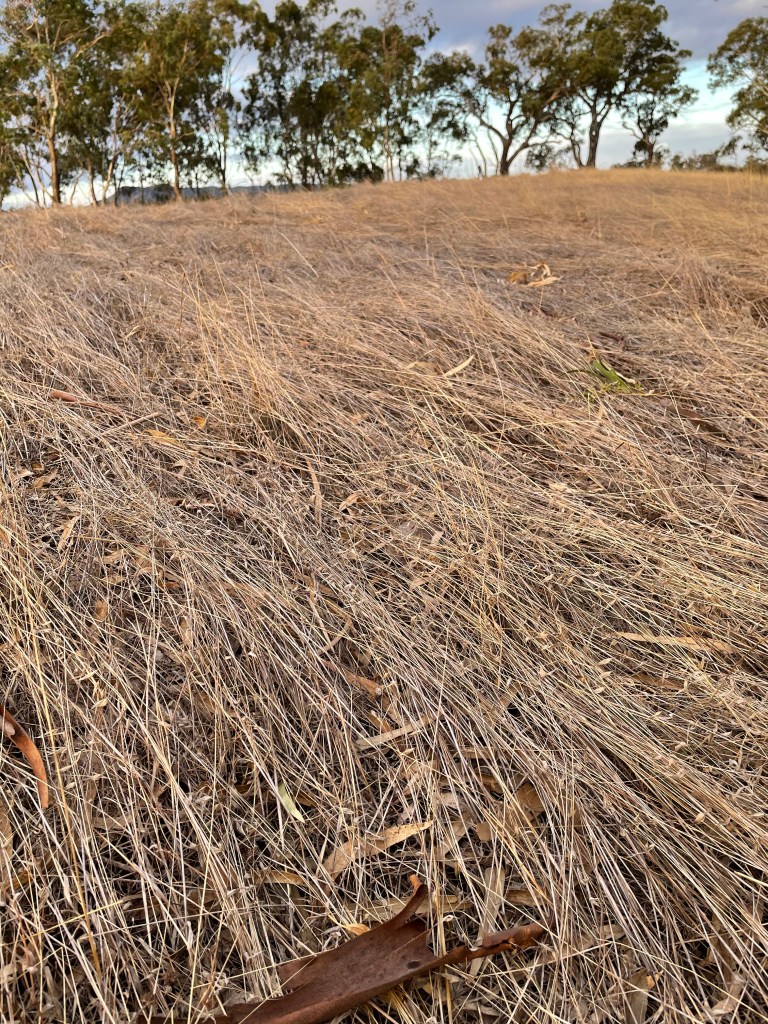
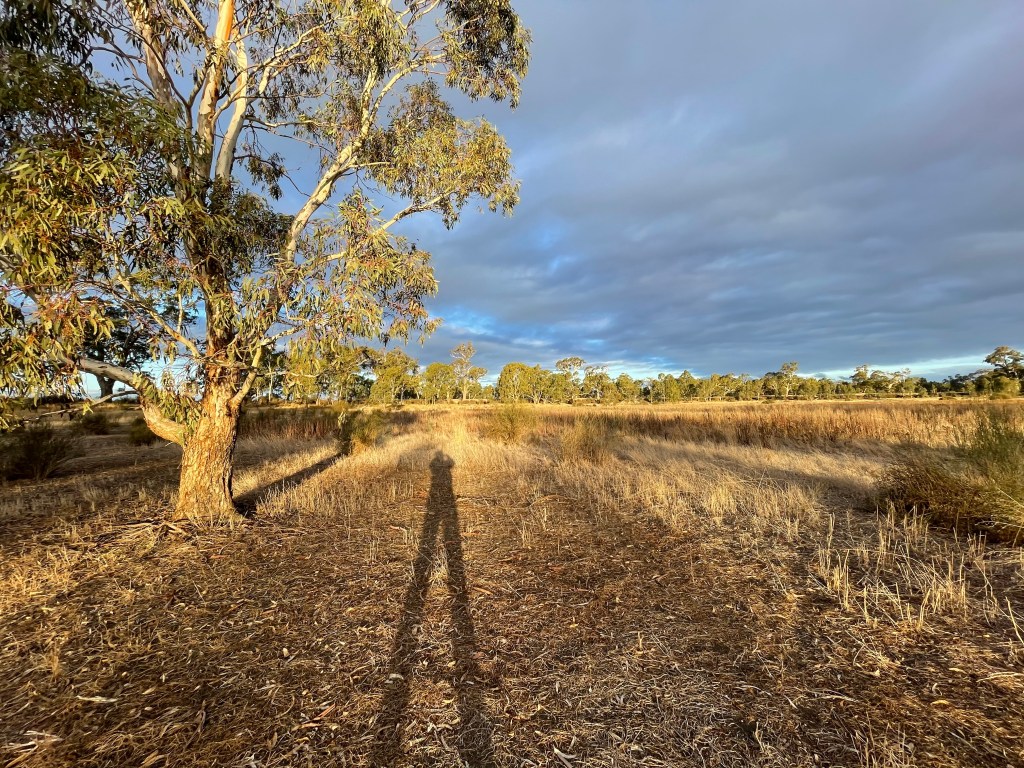
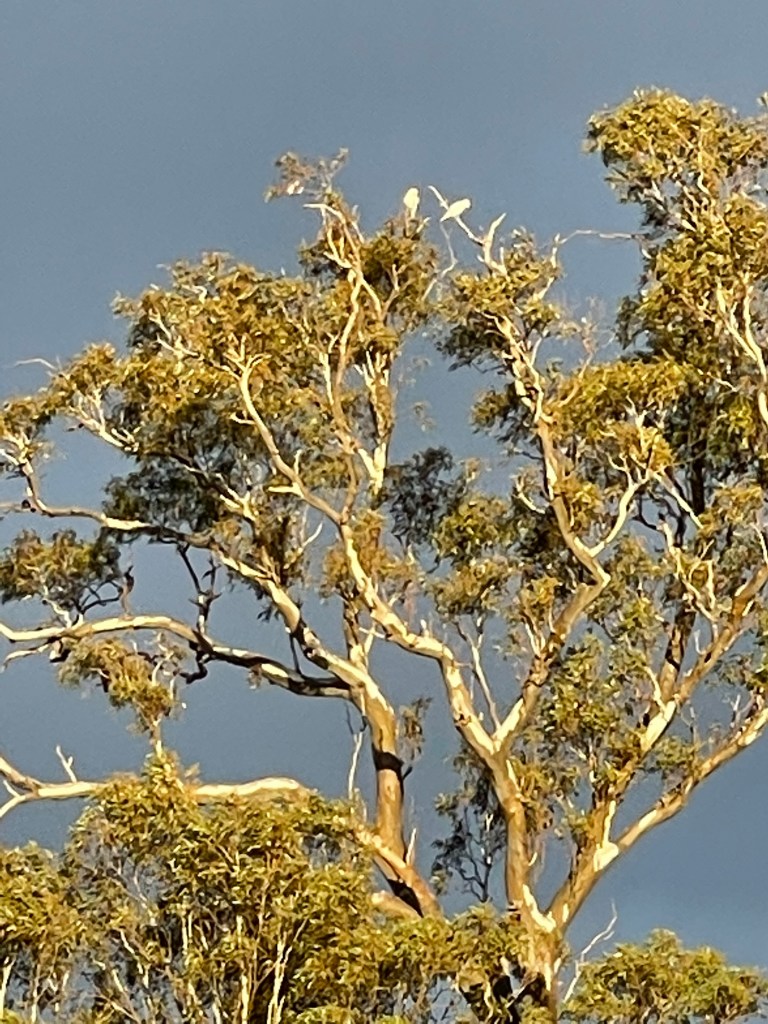
It’s a nice little wetland and I wander in to explore just as the sun emits some last gasp evening light. It makes for great contrast against an increasingly angry grey sky.
The sun gives me a shadow of someone on stilts and birds don’t like it – or probably don’t like me really. Would not get a lot of visitors I expect.
I am glad I have a coat and hat as the sky gets even darker.
I get moving and head back to the track, passing what looks like scar tree at the lake edge. All of the sudden sun shines right on that tree. Is someone telling me there is plenty of history right here? I think I already knew that but thanks for the heads up.
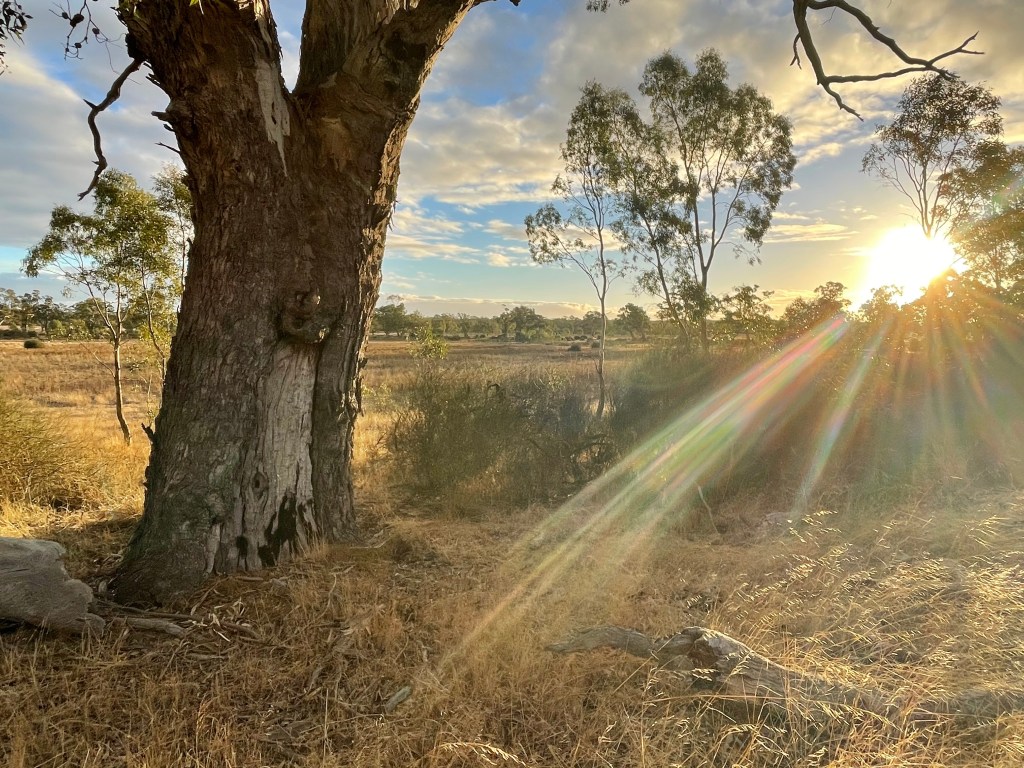
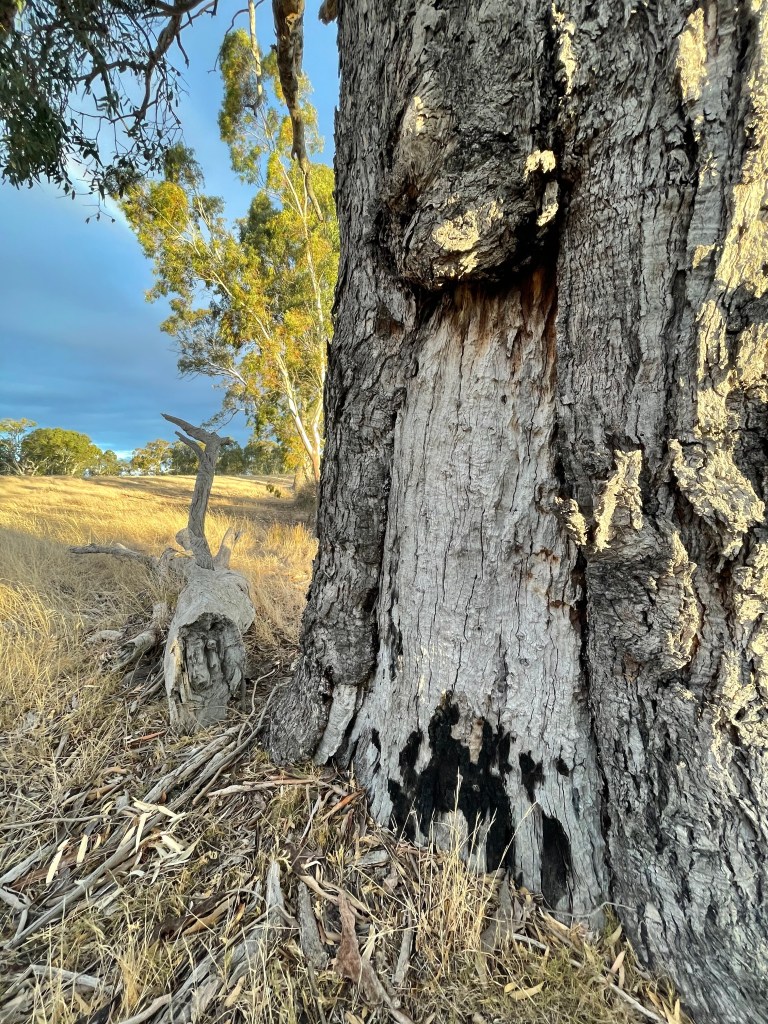
Then, to top it off, I get a rainbow.. Lucky day.
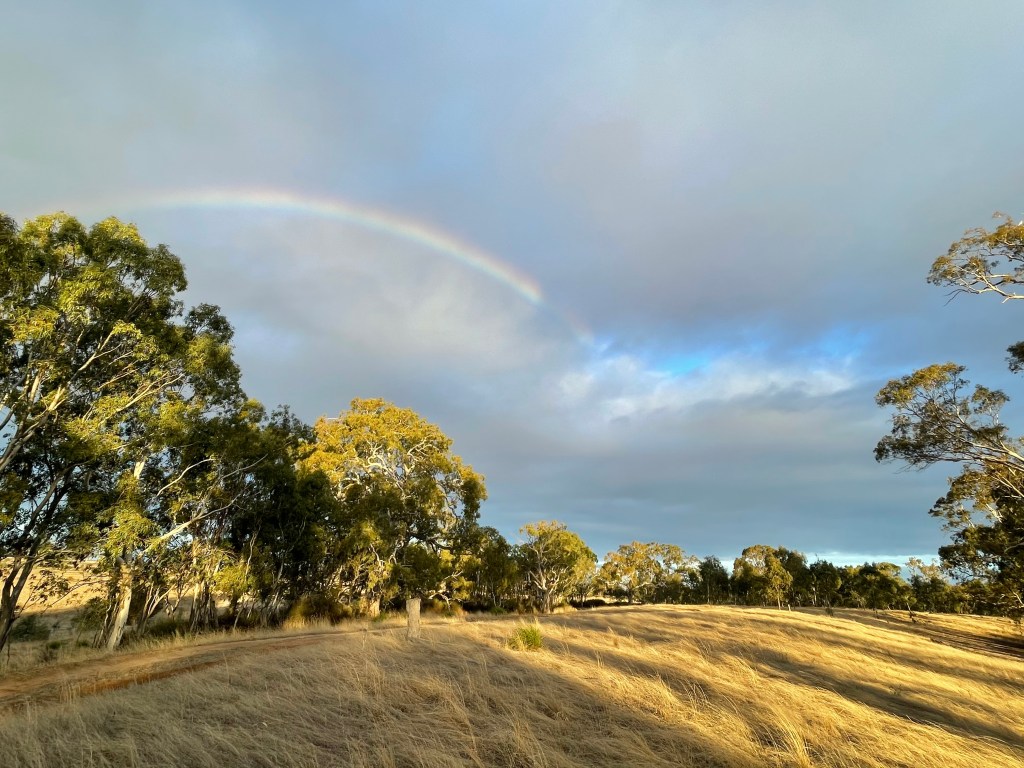
The lake’s western shore looks like it might have been a popular camping place in the 20th century. There are tracks in and you can see some ‘people rubbish’ lying around.
The lake bed and Dyuritte both take on a glow and the sun chooses various trees to spotlight. The sky is now blue. Bonus, I really did not want to get wet.’
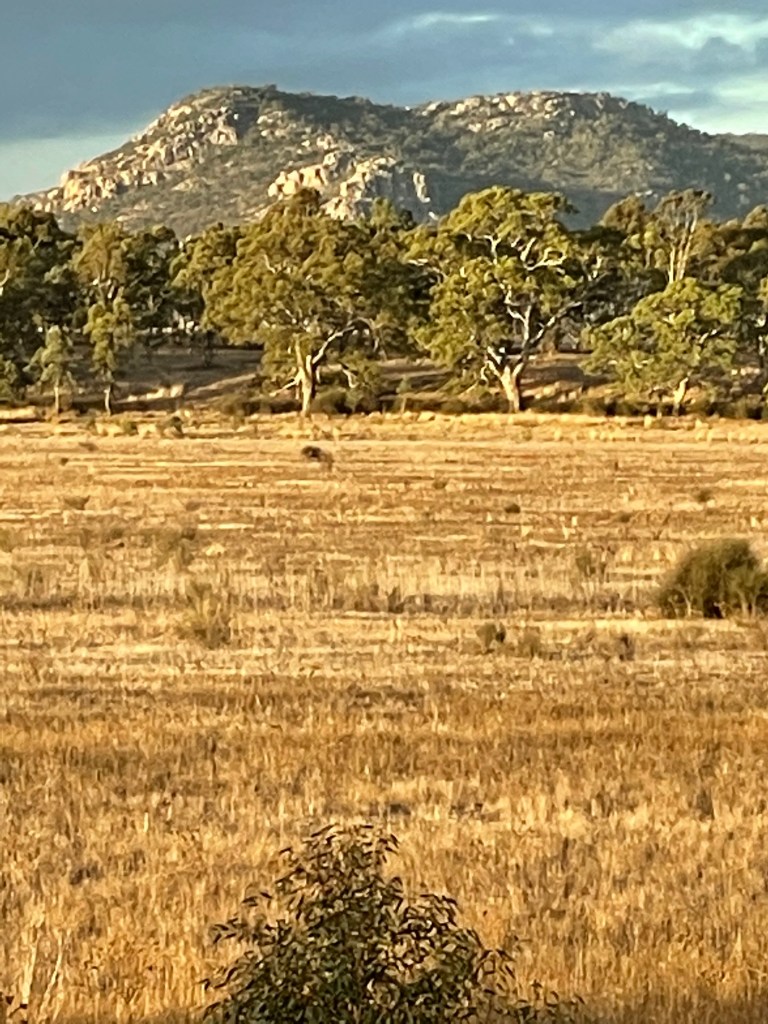
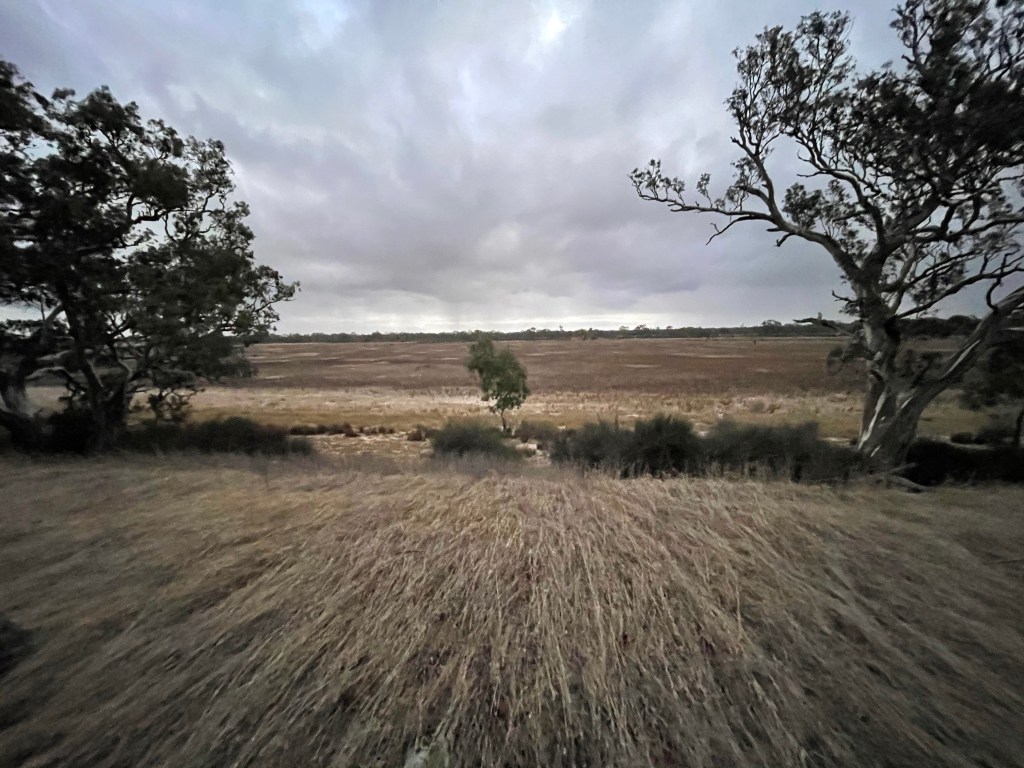
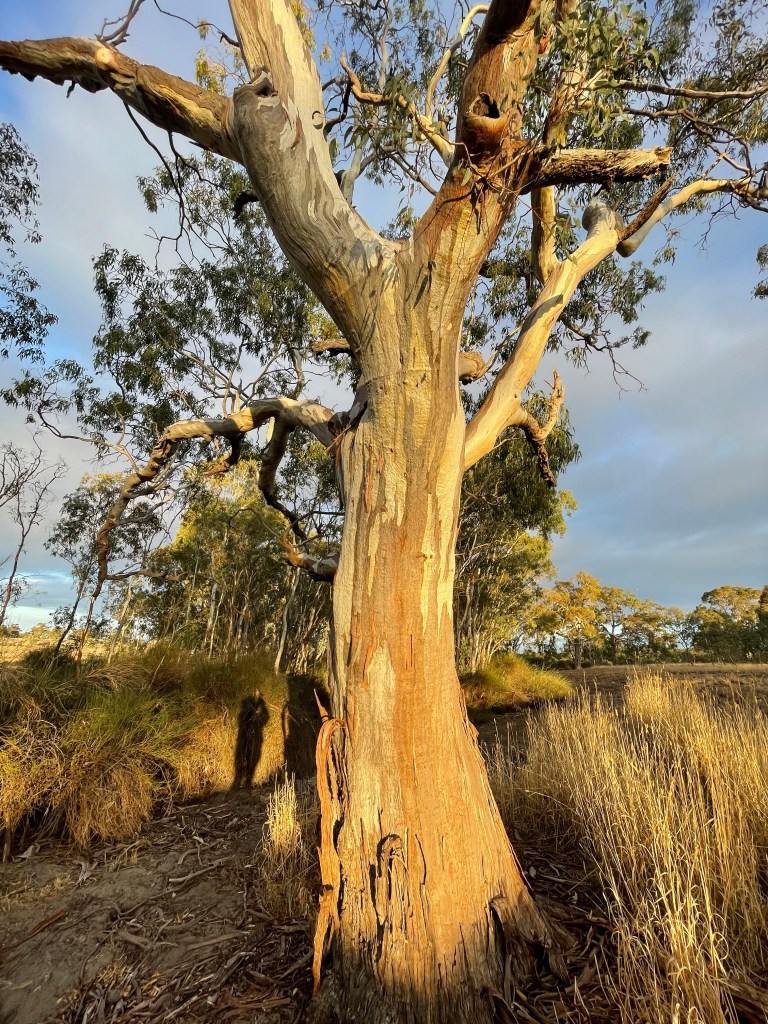
Round a little corner I find a few healthy ruby salt bush growing, lots for dionellas and come across a stand of bulokes looking beautiful in the evening glow.

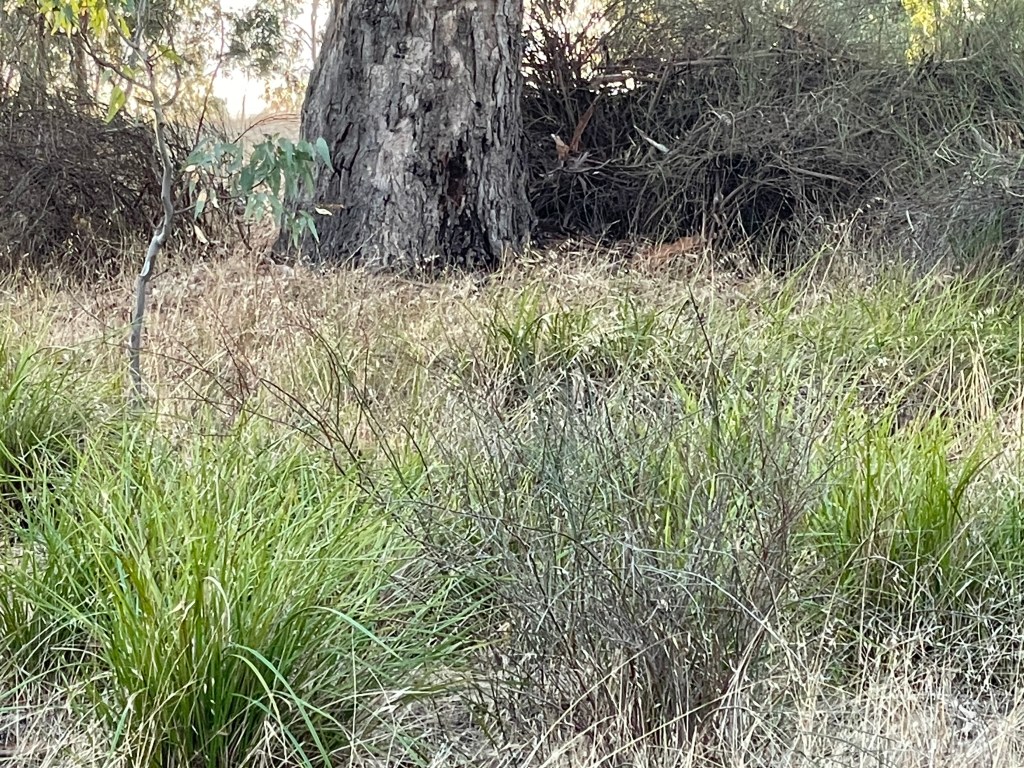

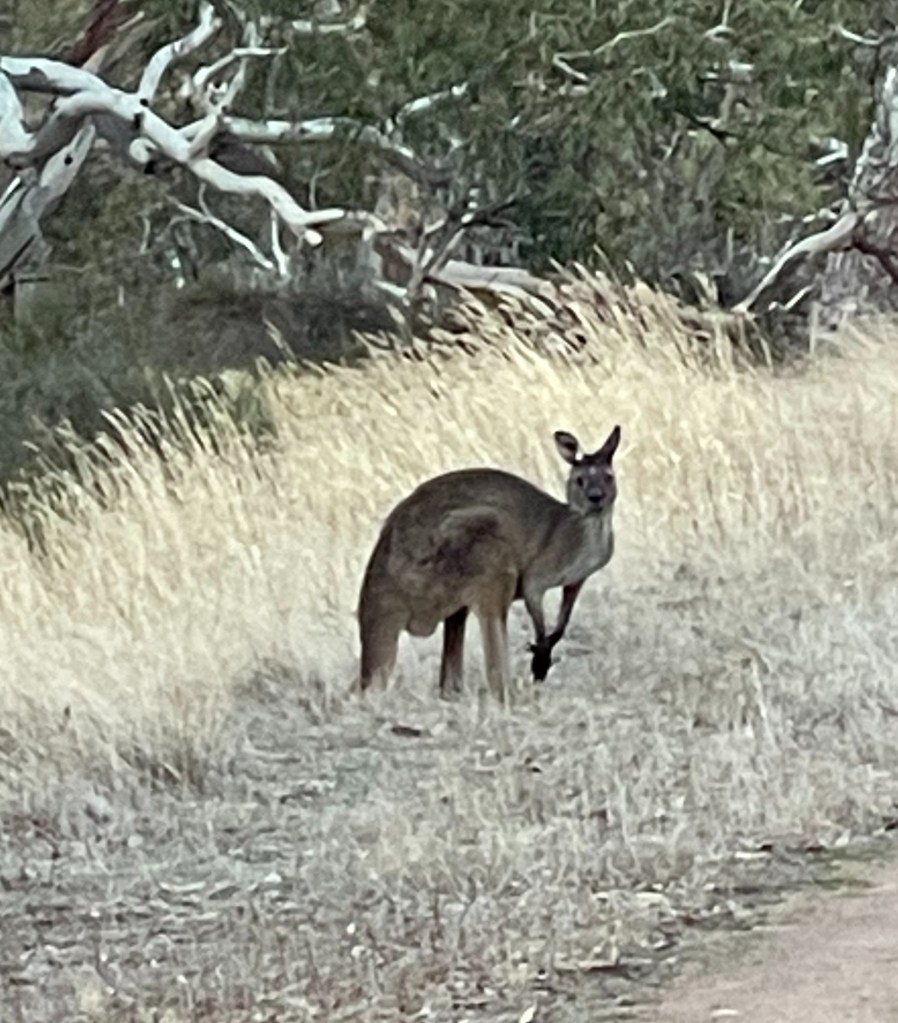
I also get pretty close to a couple of kangaroos too busy feasting by the track to notice my ridiculously loud rainbow hat.
I can’t stand here like a statue forever and finally they see me and do the bolt.

On the southern side of the lake I find the inlet creek and see a lot of young eucalypts – probably a result from the last flood.
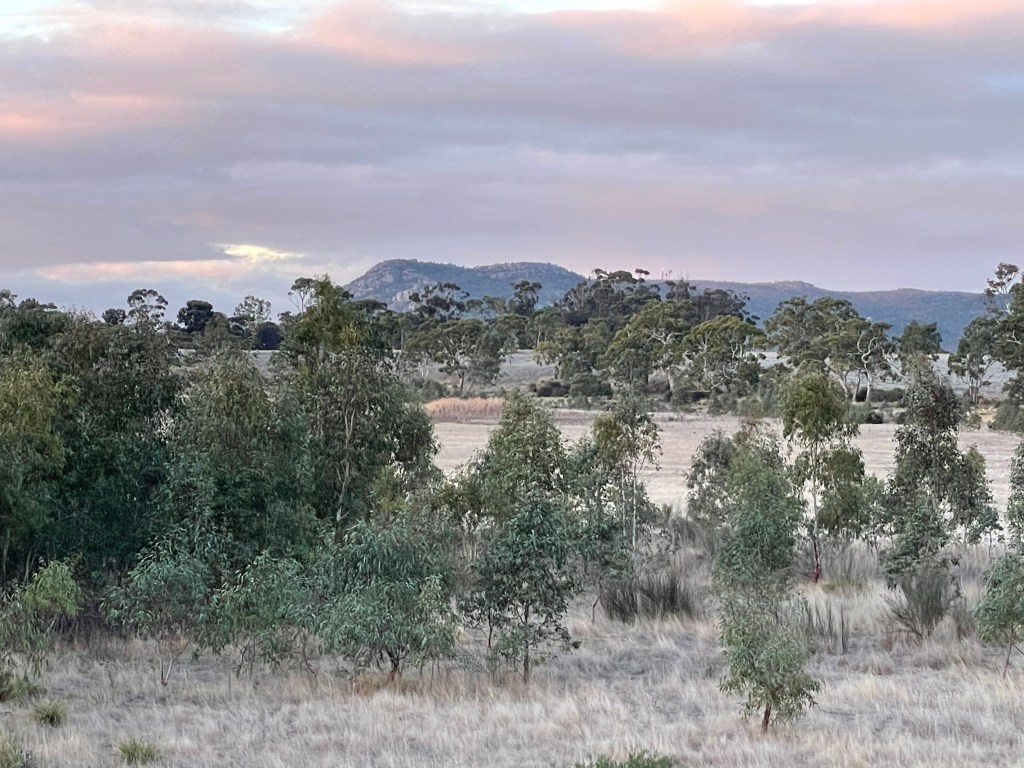

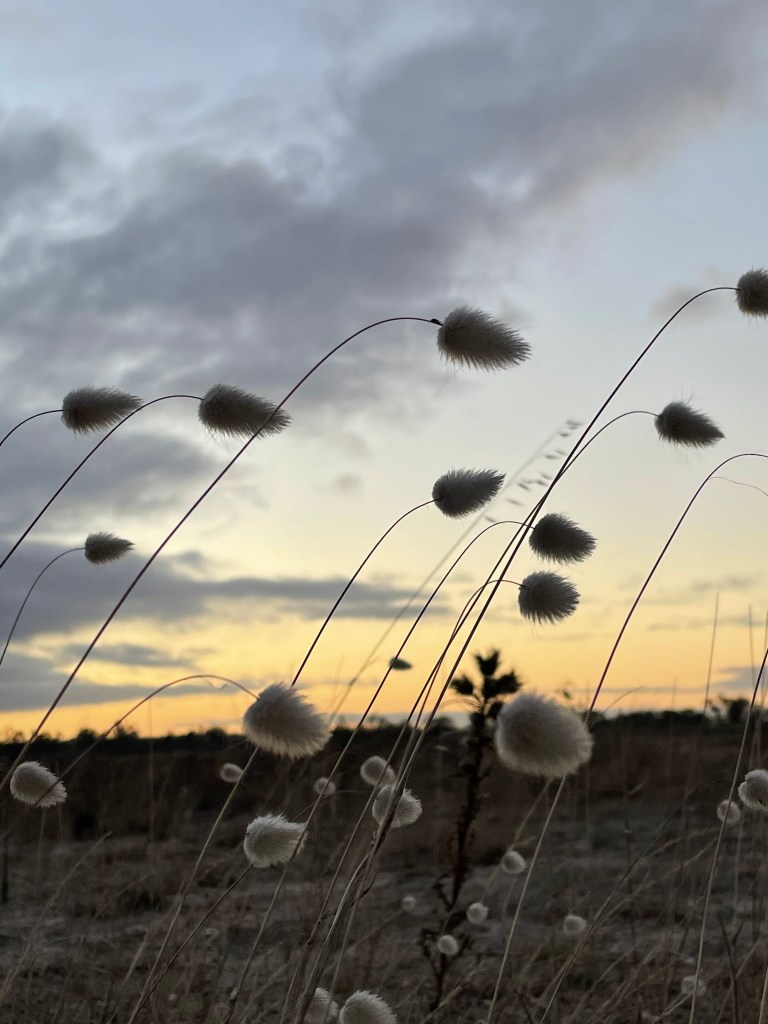
There are piles of shells and some delicate pussy tail weeds and the sky takes on shades of lemon, dusky pink and grey at different shades and intervals.
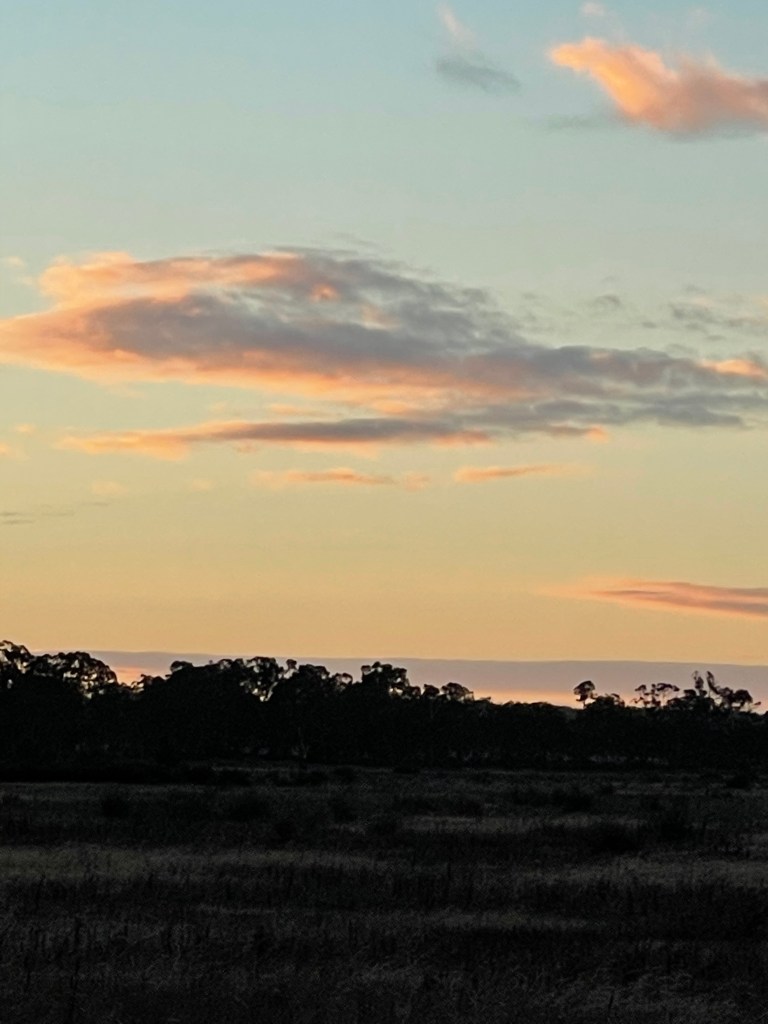


It is getting pretty dark when I get to the car but it has been an awesome walk.
It might be more like a desert than a lake but St Mary’s is not dead – There is still plenty of life in this old girl.
Update spring 2022
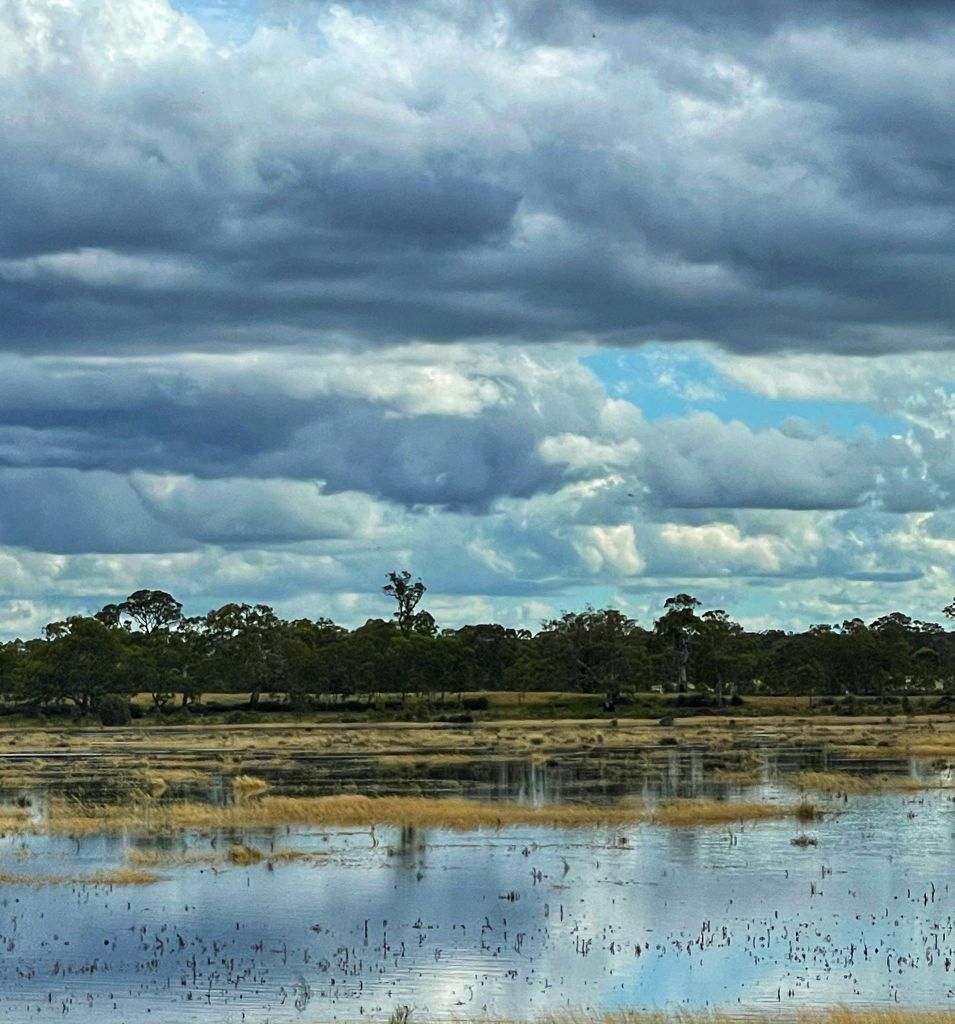
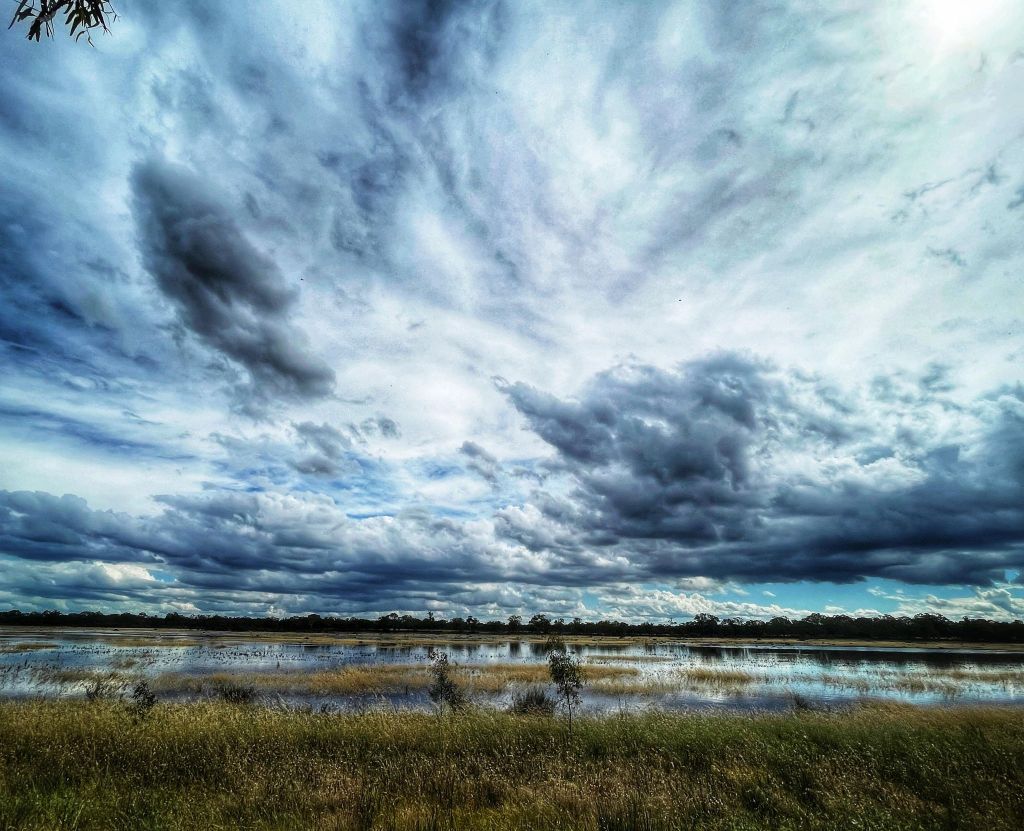
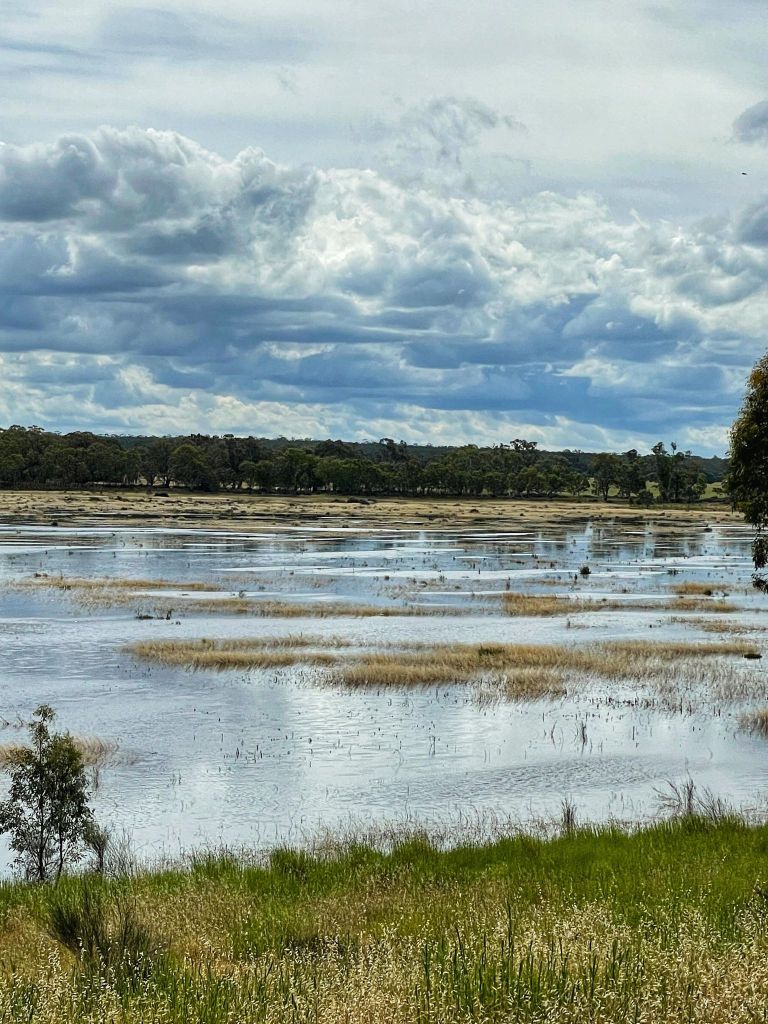
There is life in the old girl and in November 2022 the waters began flowing back in. See some images of below taken on November 13, 2022
 52 weeks 52 walks