Week 22 – Mallee Pink Lakes
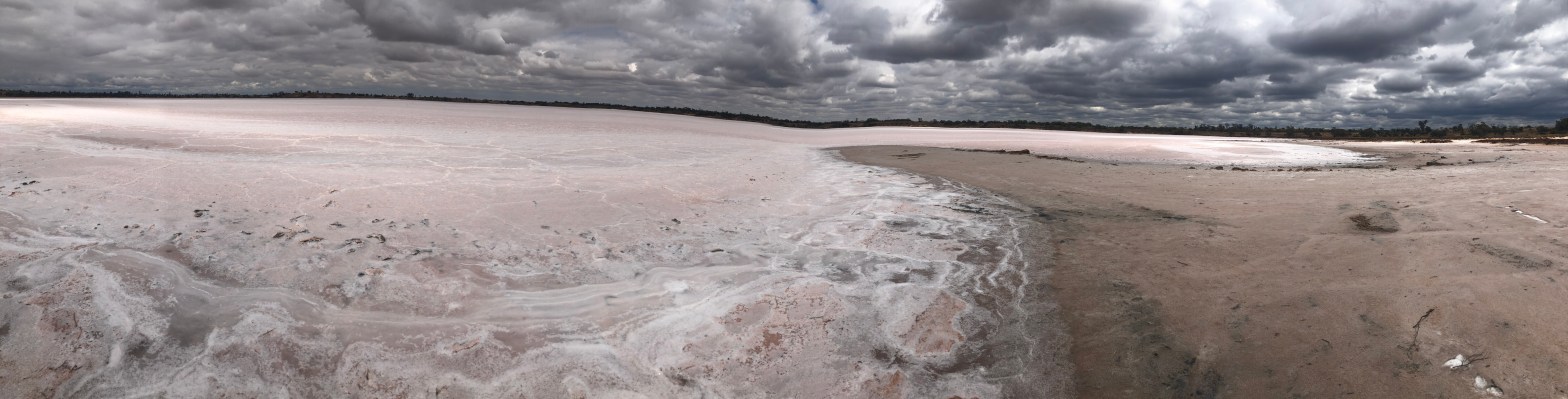
Where Pink Lakes, 22km from Linga in the Mallee Sunset National Park
What – series of salt lakes which were once a major salt producing operation and now are a reserve.
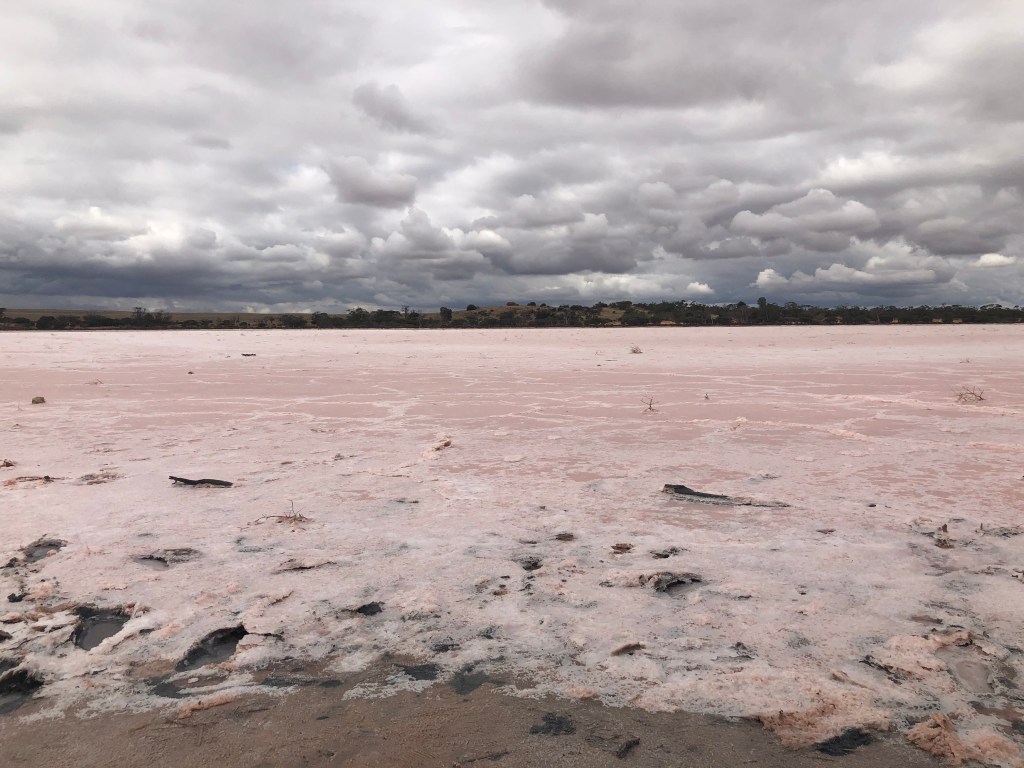
10 word – salty wasteland rich in colour, texture, history, beauty and wonder

This week we’re off to another Mallee Lake, well several of them, but the water is pretty thin on the ground.
I popped in here on the way home from another walk during March and with lockdown keeping me home – I thought it a good time to tell you all about it.
They are the pink lakes of Murray Sunset National Park, north west of Ouyen on the traditional lands of the Latji, Ngintait and Nyeri Peoples.
Way harder to find than Wimmera’s Pink Lake on the Western Highway between Horsham and the SA border, these ones require turning off a Ouyen, heading to Linga and then another 22km north.
It does provide a great chance to see the real Mallee.

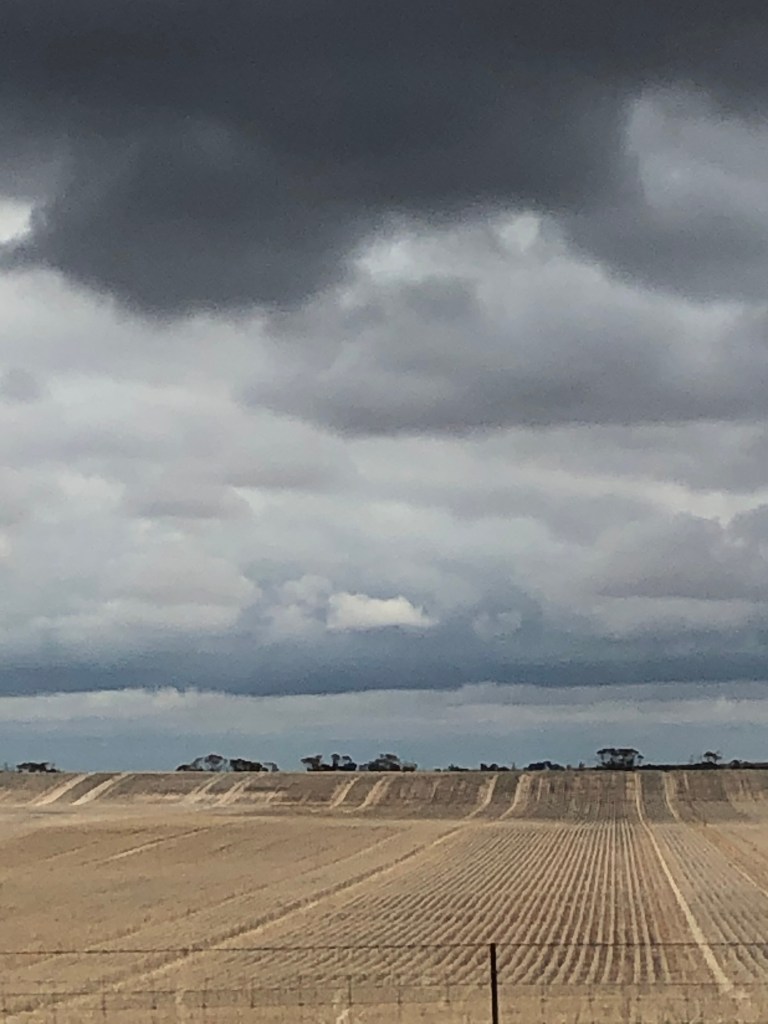
You see how time and population decline has hit these remote communities but also their absolute resolve to forge on regardless.
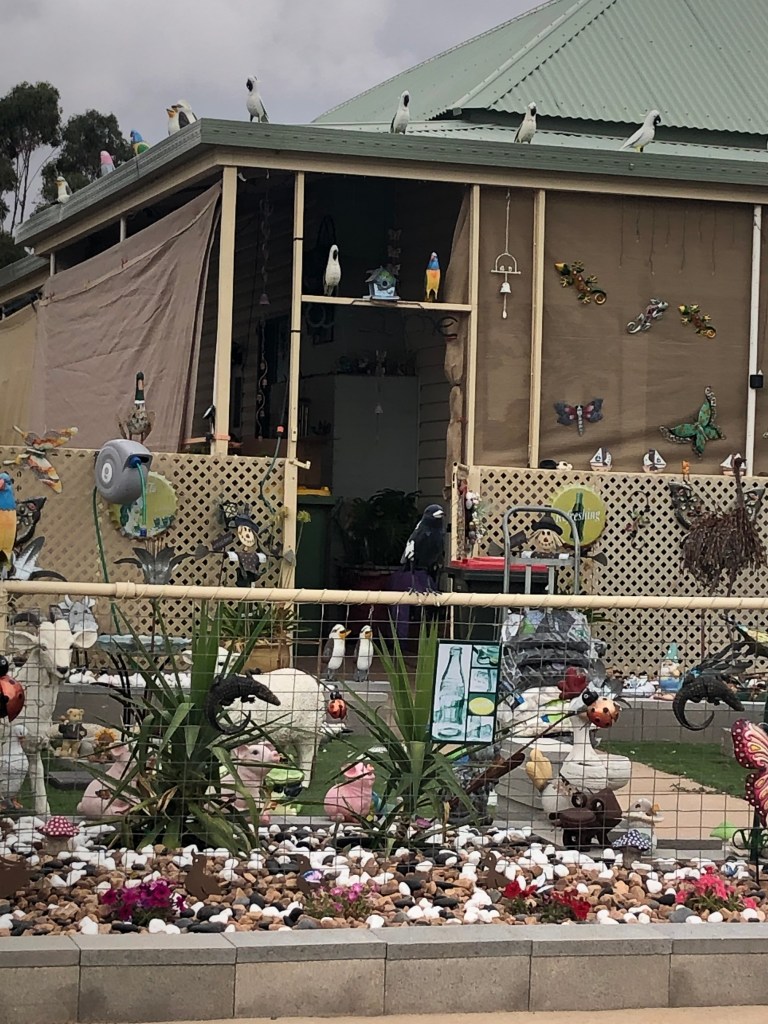
A salt lake outside Ouyen features a fake man being chased by a shark and at Underbool there’s a house with more garden decorations than a $2 shop.

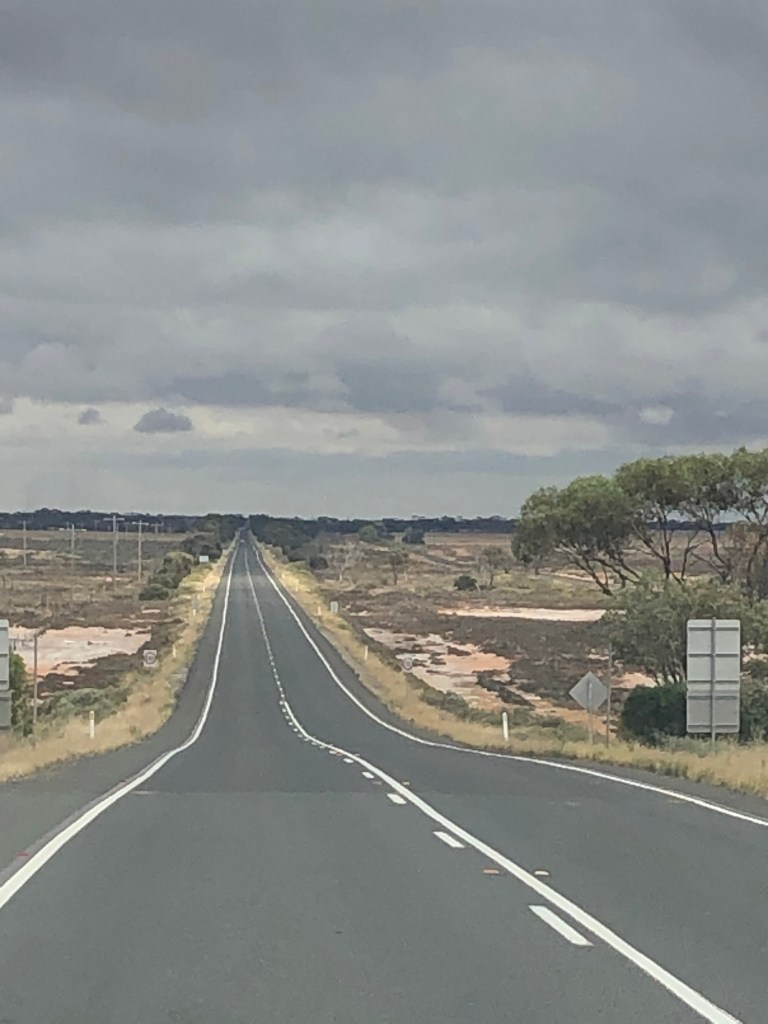
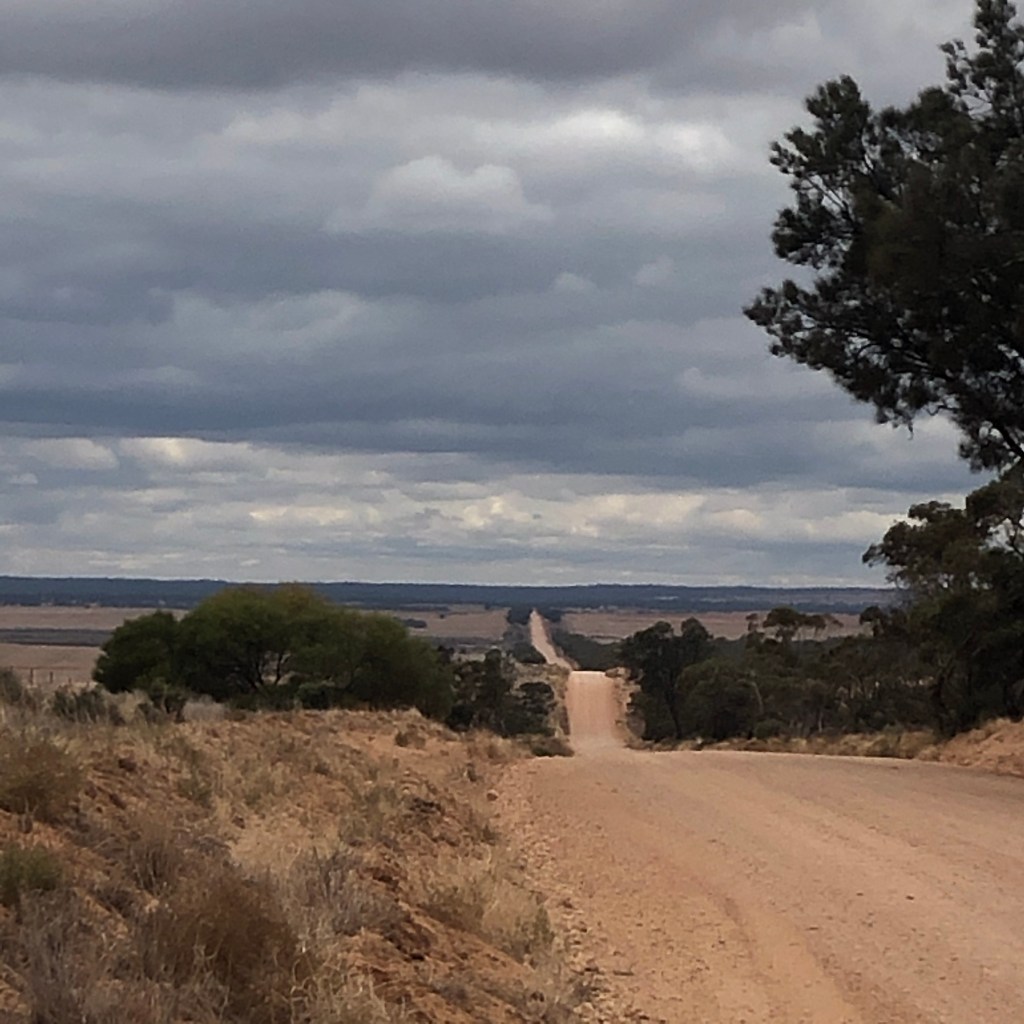
Along the Pink Lake Road, you come to a hill that really shows how far you are from anywhere. Some would find it soul destroying to look so far and see only paddocks but for others this provokes a feeling of ultimate freedom.
I choose the latter every time.
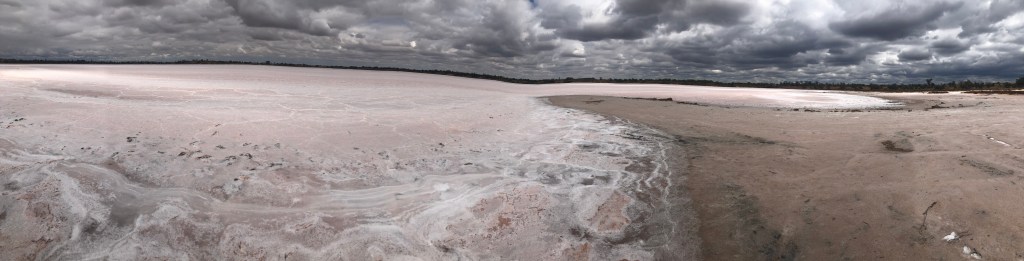
On arrival it seems a miracle that anyone could have found, let alone profitably exploited these remote salt lakes but that is exactly what happened – for more than 60 years.


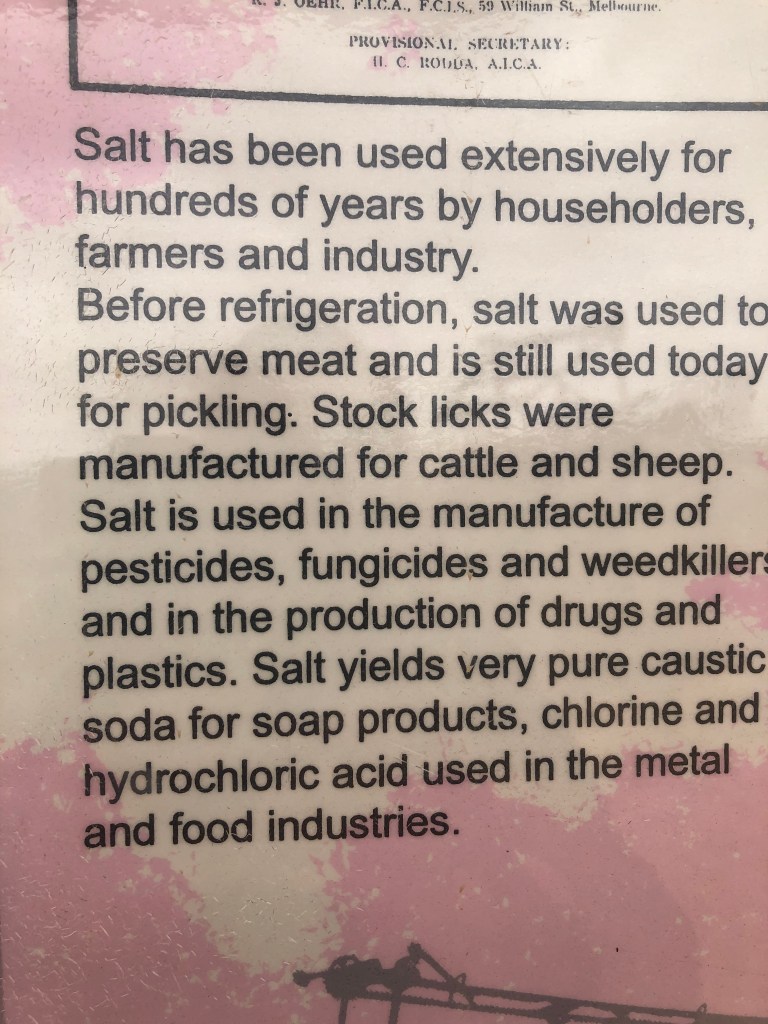
You have to remember salt was big business back in the day. It was vital for preserving meat, which was even more important in soaring Mallee temperatures.
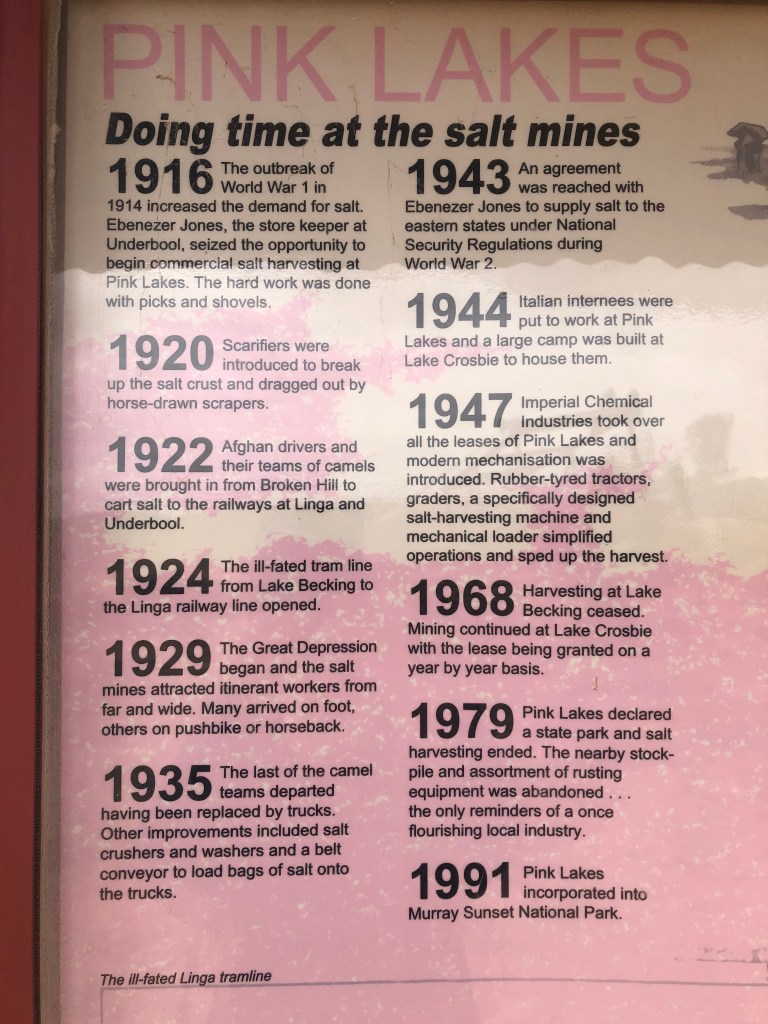
Pink Lake salt production started here during World War 1. Underbool store owner Ebenezer Jones was the man of the moment and he used a pick and shovel to harvest the salt.
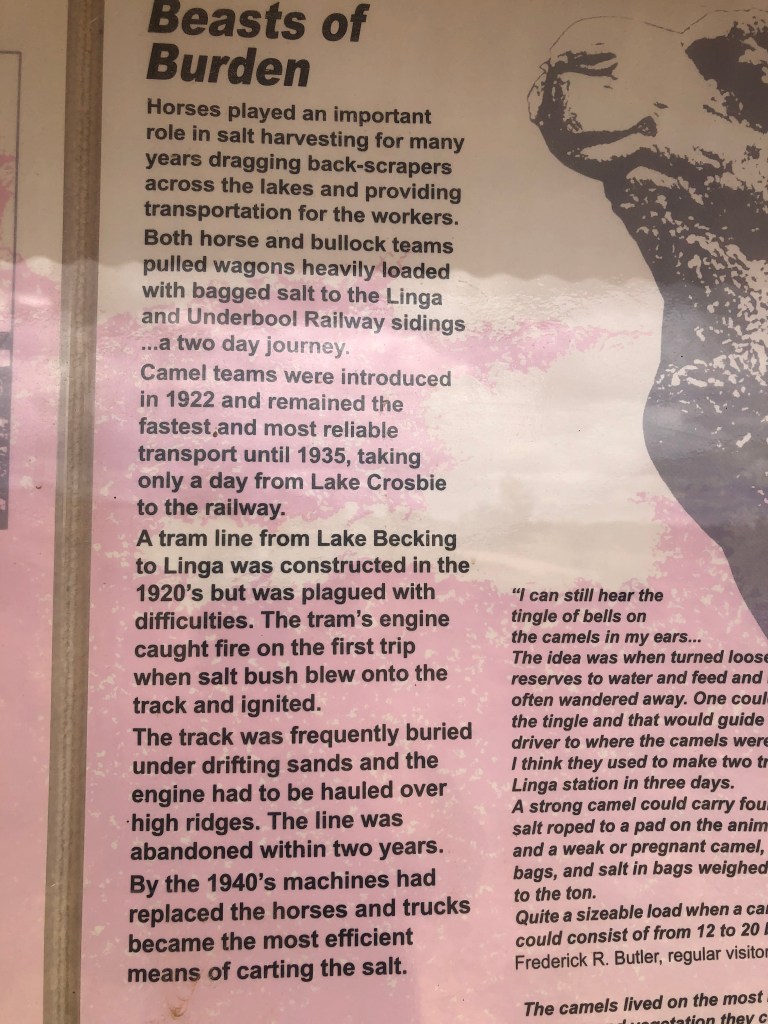
In 1922 Afghan camel drivers began taking the salt to the railway at Linga and Underbool and in the depression the area provided work for the many blokes who took to the roads in search of employment.
World War two provided more lucrative markets for Ebenezer and during this time his workforce included Italian Internees.
The lease changed hands after the war, things became more mechanised and production continued till 1979 when the area became a national park.

Today mechanical relics and mounds of salt stand abandoned on the edges of the Lakes, as they have done for the past 40 years.
It is a fascinating place but just make sure you have some insect repellent in the car as the march flies are as determined and relentless as old Ebenezer must have been back in the day.
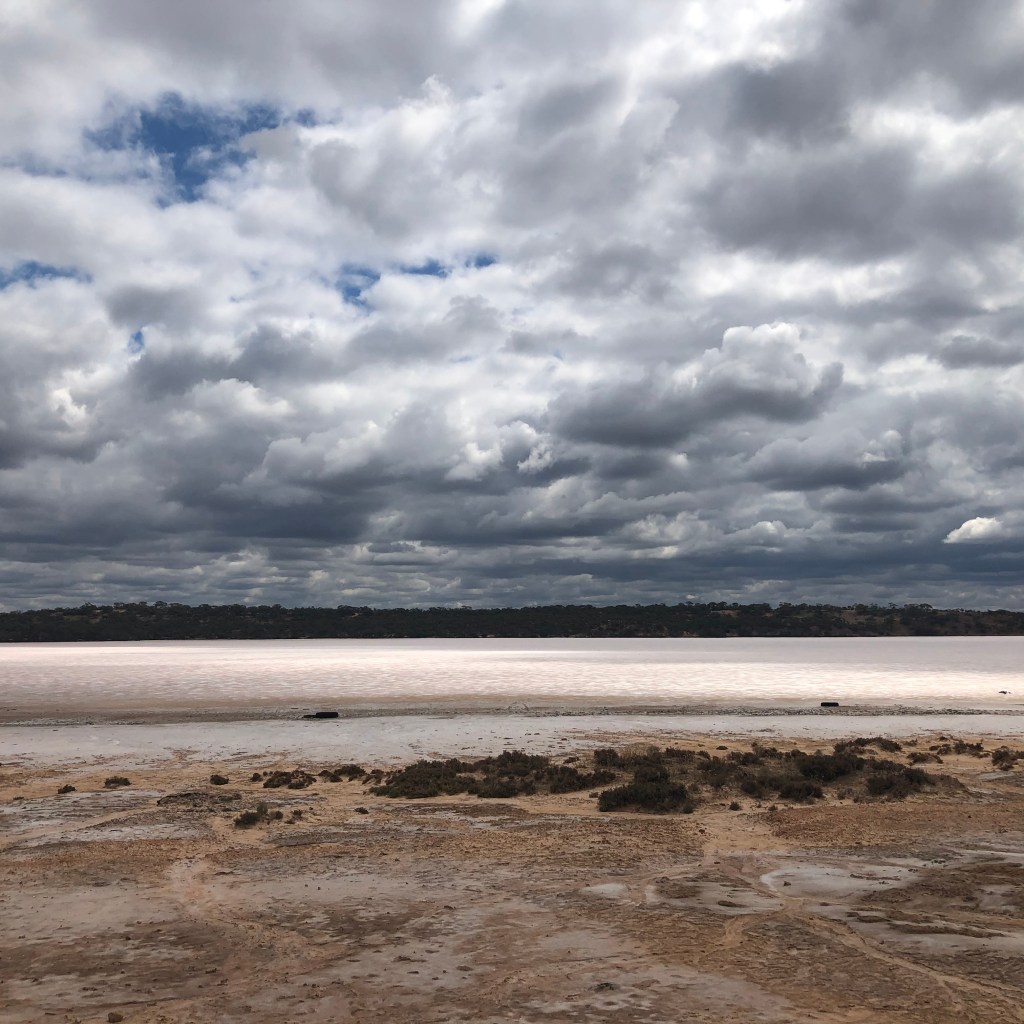
There are three lakes in all – Crosbie, Kenyon and Becking.
There is a track that would make a great walk around the site but time did not allow me to do much walking during my visit.There are quite a few interpretive signs that explain salt harvesting and industry and on the right days at the right time of the year the sunsets are amazing.
We are a few weeks too late to see water, but the big denim sky makes a great contrast with the pastel pink.
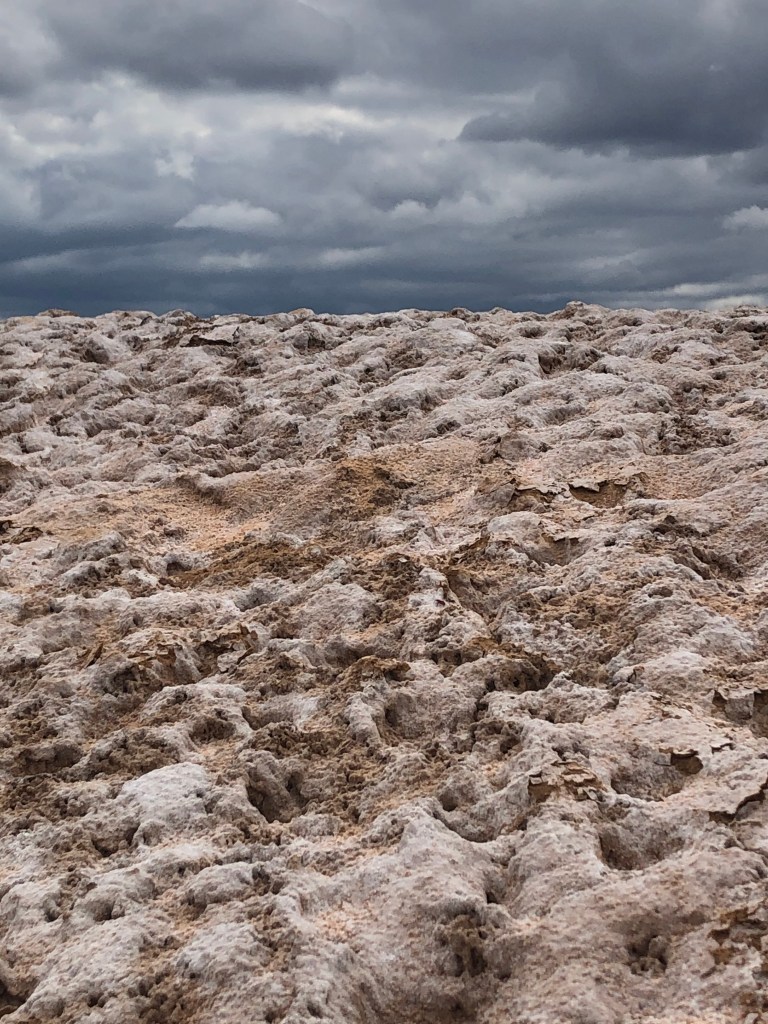
We don’t spot any wildlife but one long abandoned salt pile reminds me of a rough lizard hide another another looks like the sleeping goanna.

The salt seems to sit in waves and, just like pink lake at Dimboola, the lakes are home to salt tolerant succulents that mirror the shades of the salt.
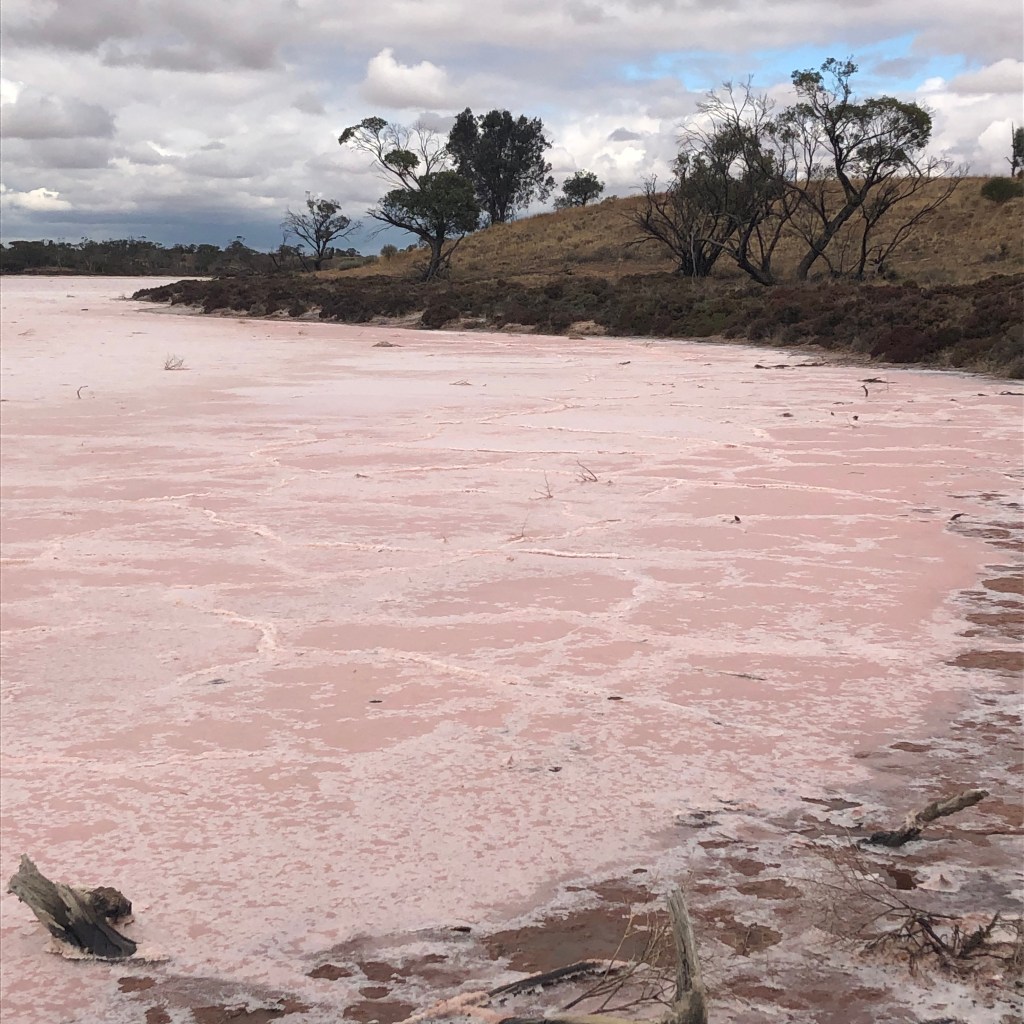
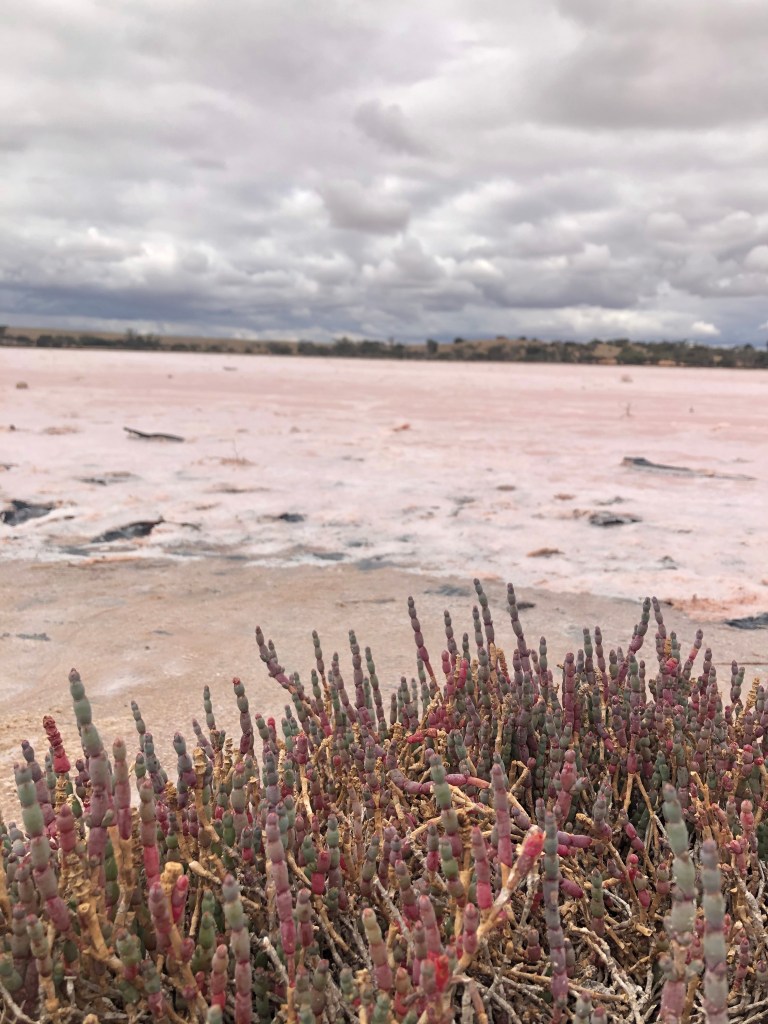
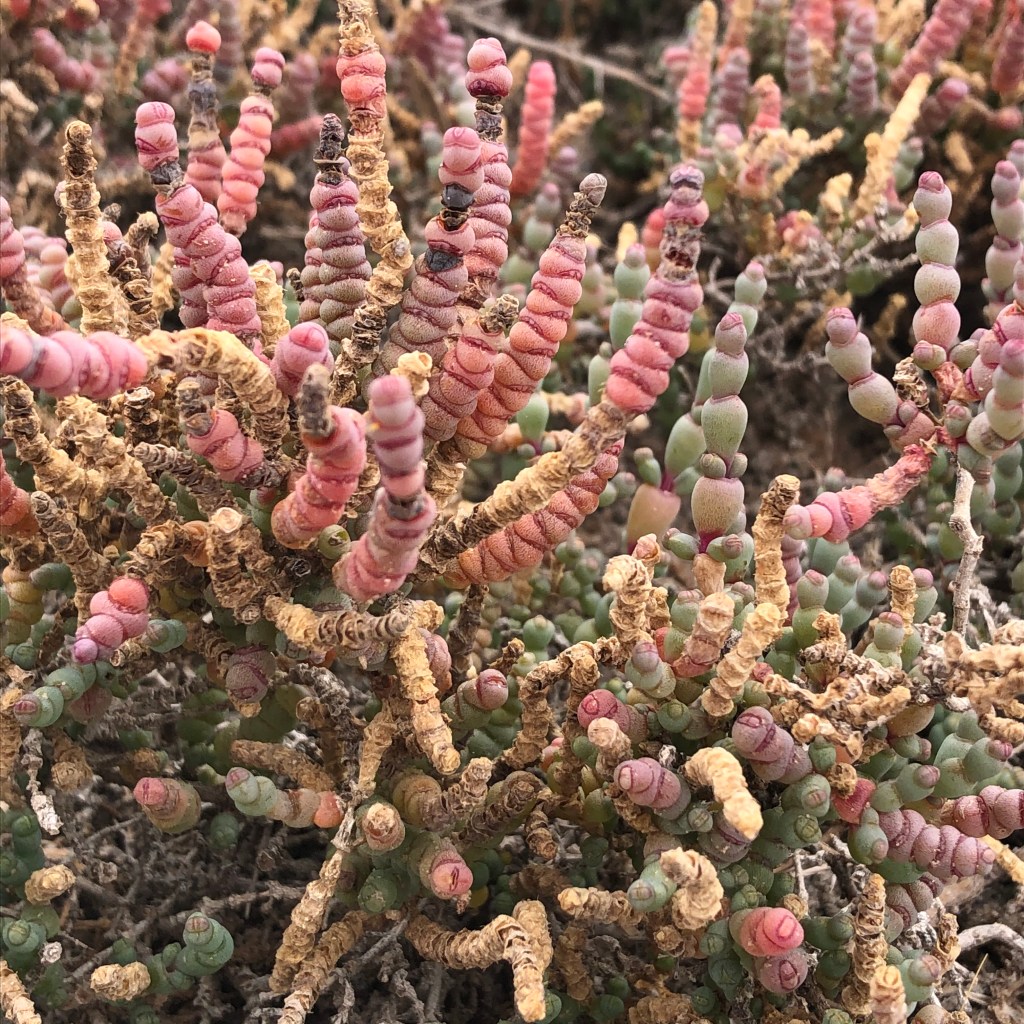
It’s a beautiful but harsh, remote but much-visited, untouched but developed and well worth a trip to the Mallee.
 52 weeks 52 walks