You would imagine Herman Strauss was a content bloke.
Well unless there was a drought, mouse plague, dust storm or any other sort of the disaster hits farmers on the edge of the Big Desert.
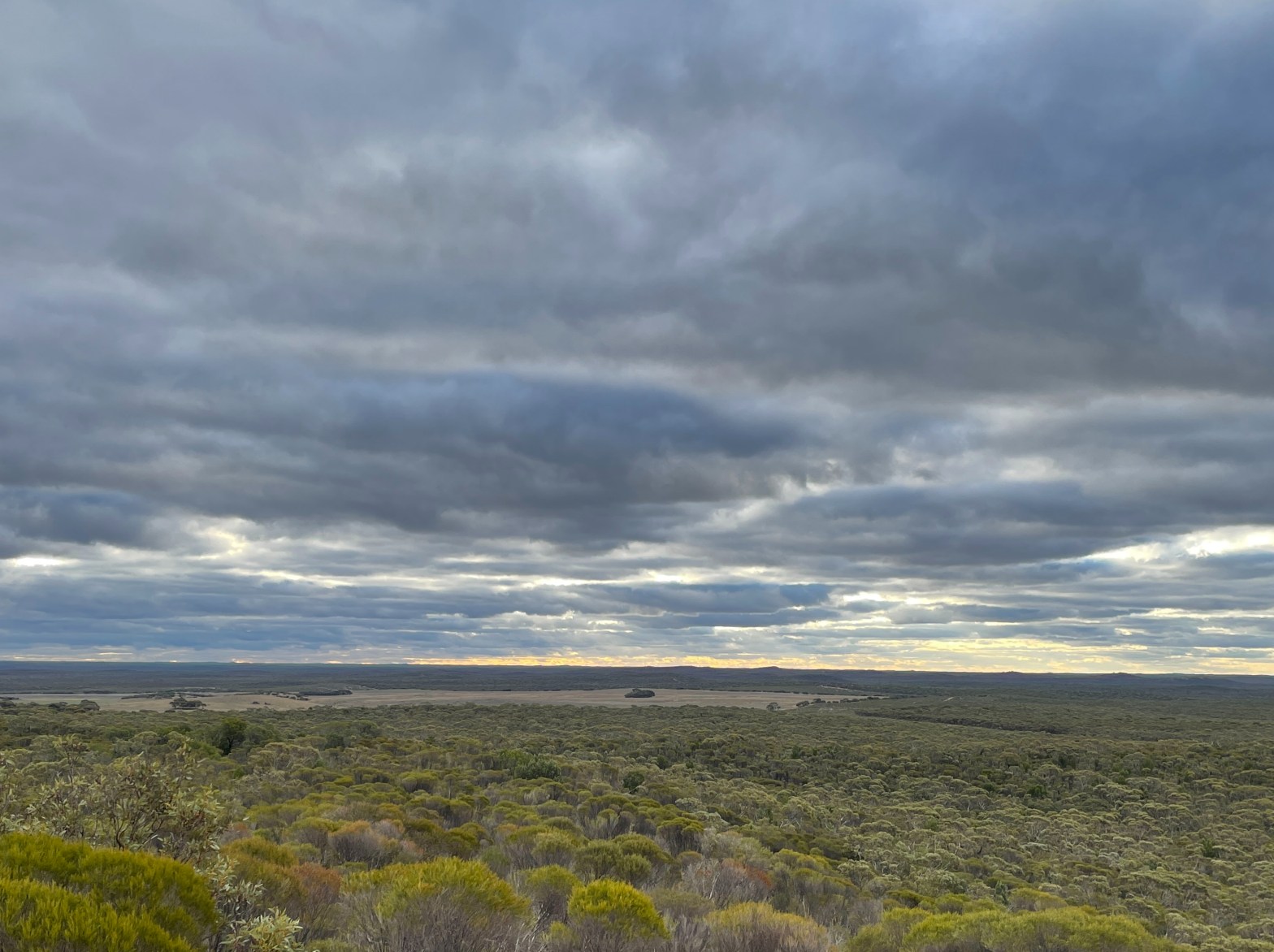
At the end of whatever day he had, Herman had the chance to climb a nearby sand hill and regally cast his eye over a vast sandy kingdom.
Today we will follow in his footsteps up this hill named in his honour.
I could not find out much about Herman, he apparently lived in a ‘homestead’ that could be seen from the top of what is now called ‘Herman’s Hill”.
I know the Strauss name goes back to early white settlement around Rainbow district. The family ran a shop but I assume Herman was a farmer and that he must have spent time on the hill.
Heman’s house and farm sat on an important line – the 36th parallel – where in 1885 under siege from rabbits from the south and wild dogs from the north – the government decided to build a netting fence to keep the ‘vermin’ out.
This fence was six feet – about 183cm – high and stretched 328km from the Murray River to the SA border. I still wonder how the border stopped the rabbits and the dogs – but that is probably another story.
Anyway, Herman’s Hill overlooks this fence and Netting Fence Road – and is north east of Netherby, and west of Lake Hindmarsh, in the northern Wimmera.
About 20 years ago locals lobbied for some funds to build a proper lookout which was completed with the help of students from Nhill.
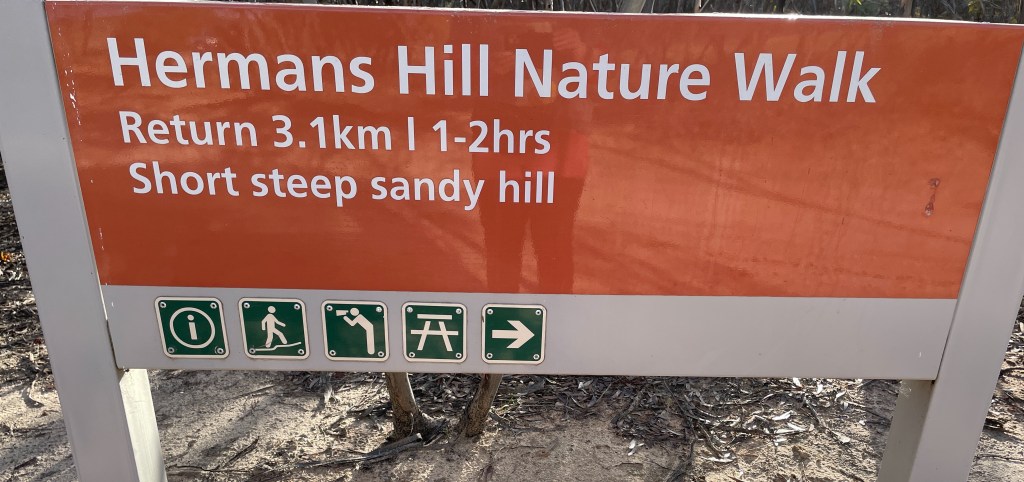
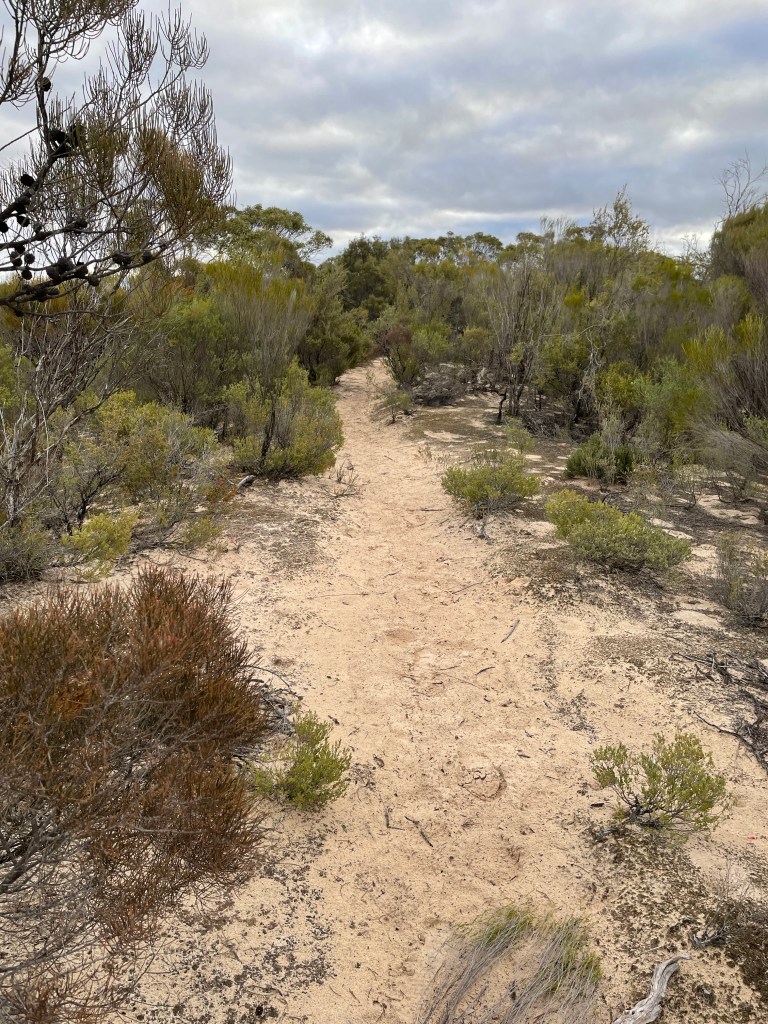
A four-wheel drive will take you up the hill to this lookout, but today we’ll walk a longer track carved out of the scrub.
I approach the Hill from the Nhill Netherby Road, turning into Perenna Road and then right onto the Netting Fence Road for a few 100m to the car park – which is just a bit of cleared space on the roadside.
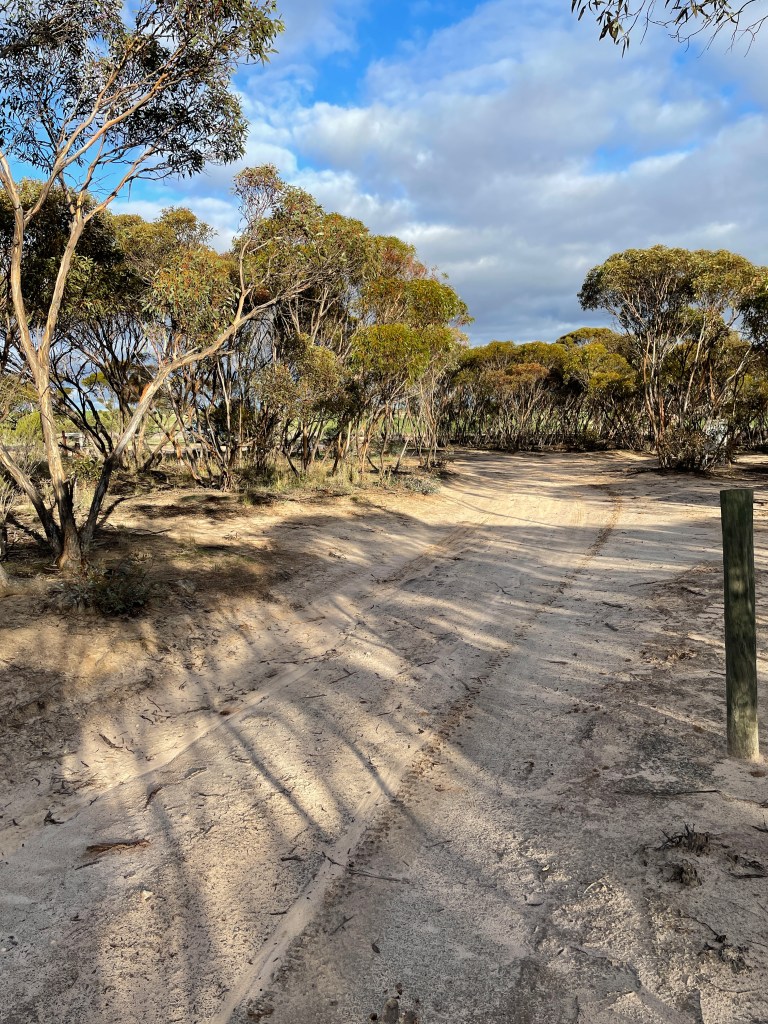
Once on the walk make sure you take the right sandy track – it is the one with a ‘2.0’ post at the start. The other track follows a cable and runs parallel with Netting Fence Road.

From a few km away the hill looks pretty small and you can’t imagine that this little incline marks that start of sandy desert up to 100km wide.
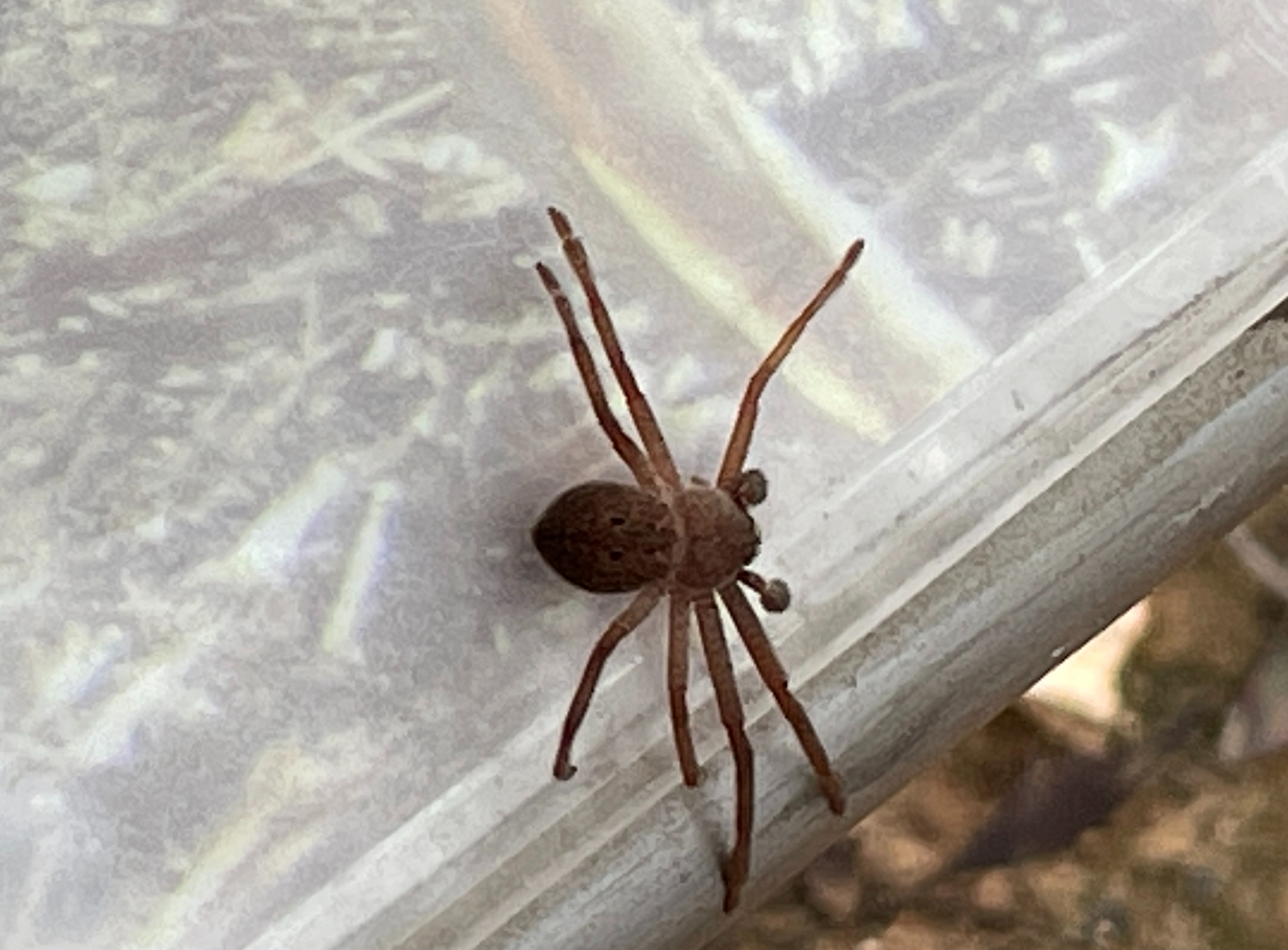
All along the trail are metal lids with handles that host information boards– and big spiders. Open them carefully!
From these boards we find out about the many Acacia wattles – indigenous name Wallowa. The resident species Acacia Calamifolia can grow on sand or clay and provides shelter and food for native animals and birds.
We get lessons about understory plants which for many months seem non-existent but burst into life every spring. This includes an array of orchids -gnat, greenhoods, spiders, mosquito and sun.
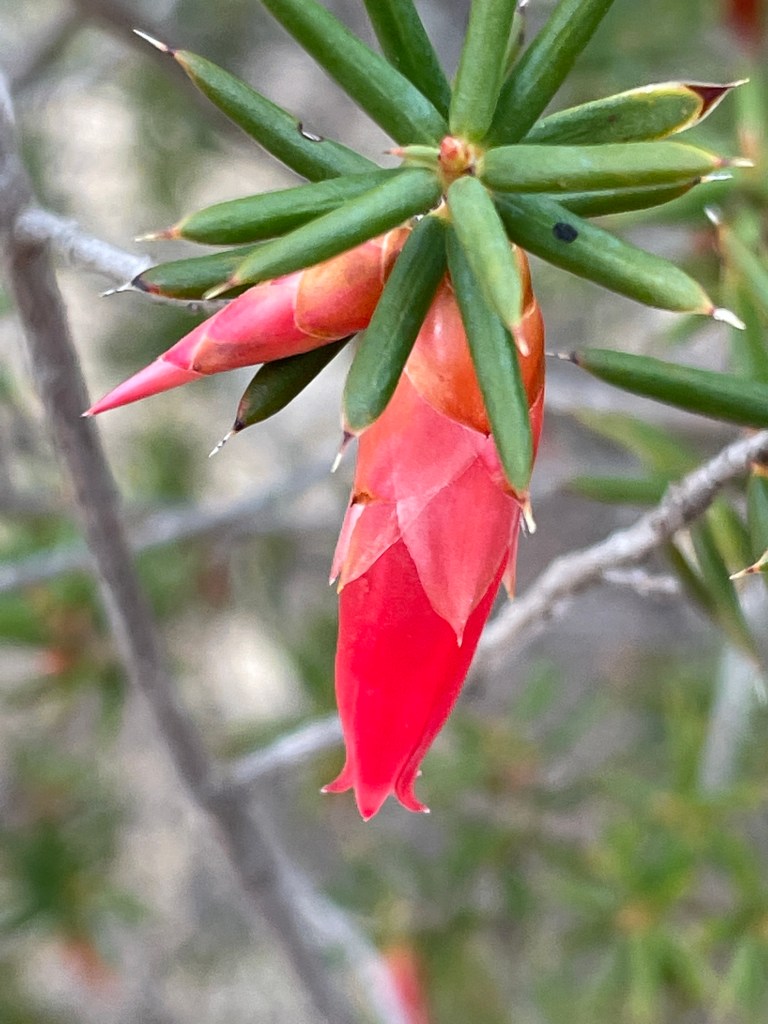

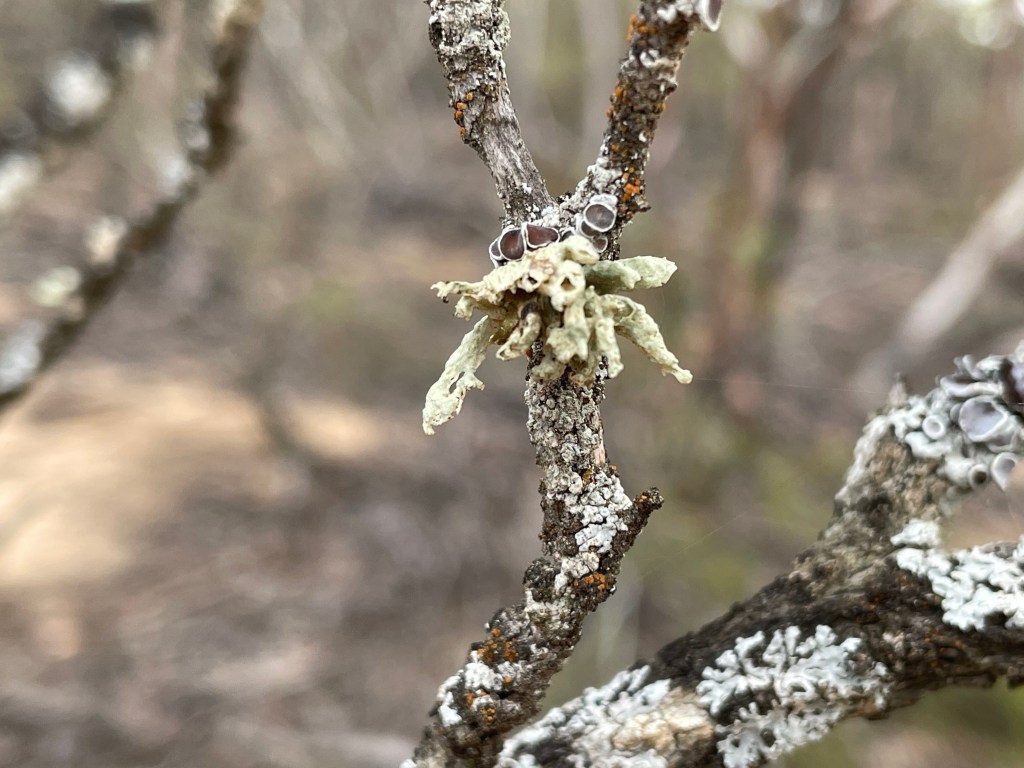
Herman’s little hill is also home to two banksias – desert and silver. But on this winter’s day the main flowering plant is flame heath.
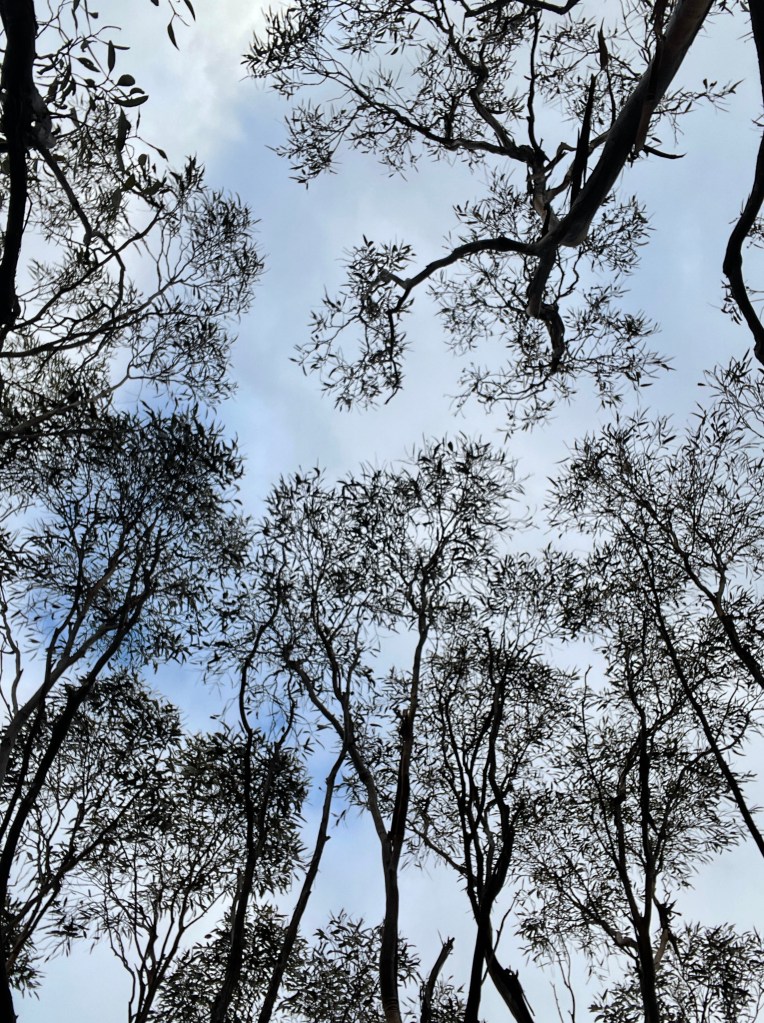
We discover that Mallee eucalypts grow differently – several stems come out of a bulb at or below ground level. The roots store water and sometimes travel horizontally in search of every bit of moisture. The tree canopies are likened to umbrellas. I look up and – wow – they are.
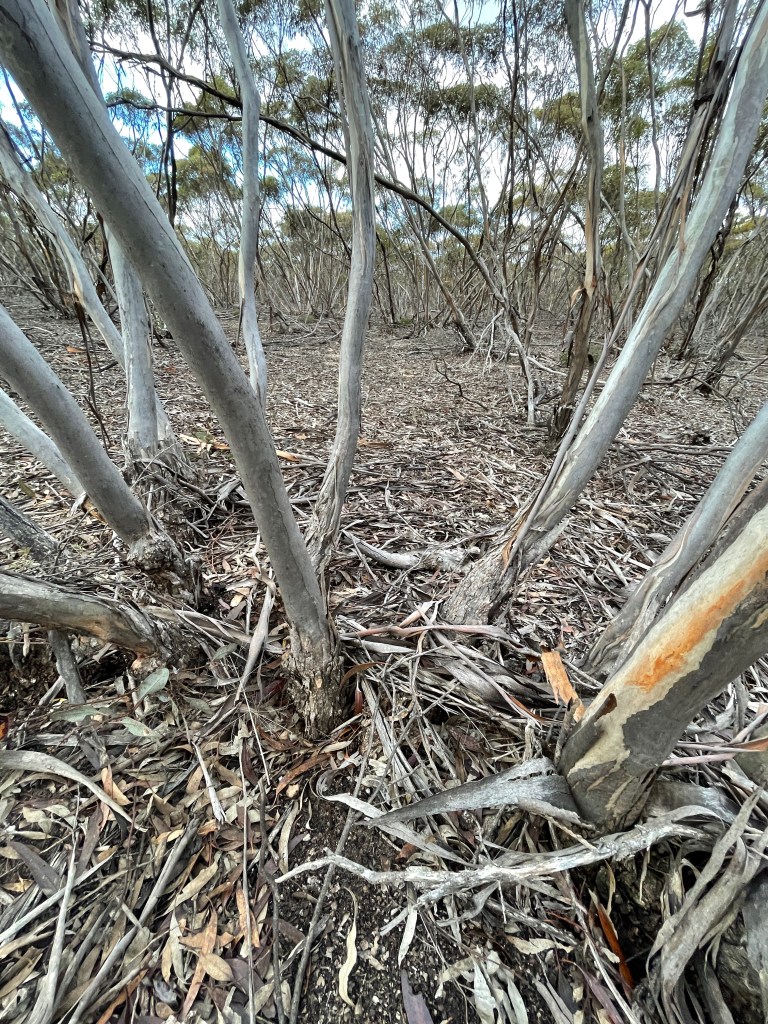
We also read how the quandongs that grow here are bitter and inedible – and being parasitic rely on host plants including Acacias (wattles) and desert she-oaks (casuarinas).
This place is also home to industrious Mallee fowl who spend ten months each year building their nest – a temperature-controlled compost heap. Their clever chicks can fly a day after birth – but with parents working 10 months a year on the house – independence is probably a bonus.
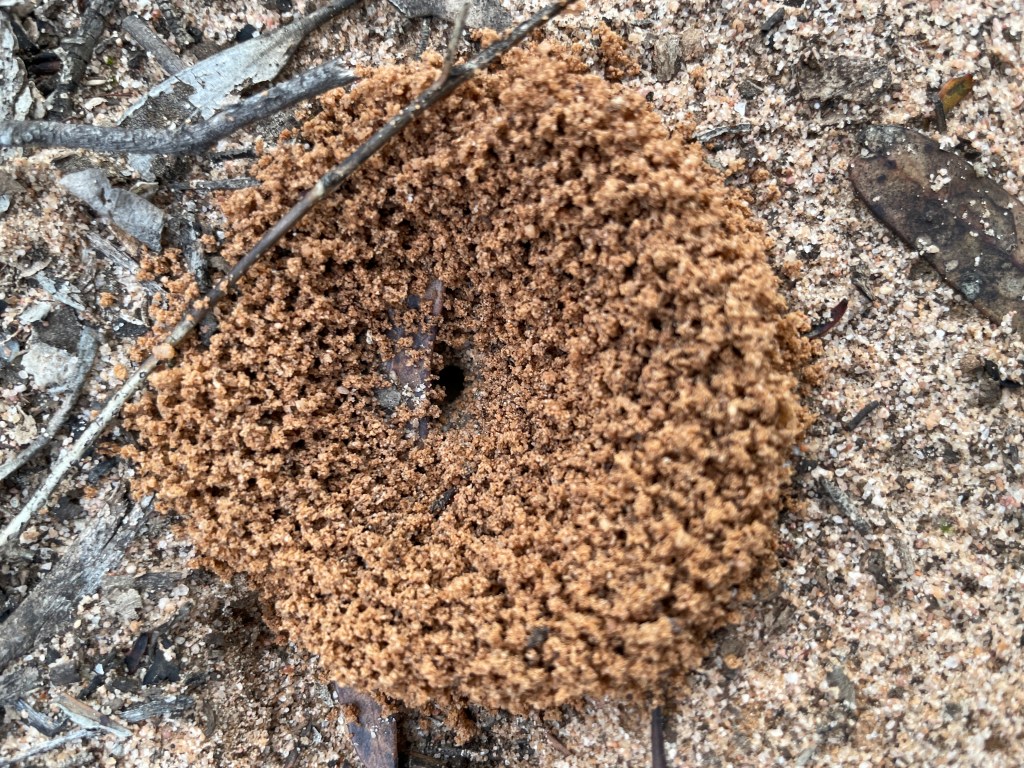
The local ant holes are huge and I wonder whether the ants are big or they are expecting a LOT of rain.

I come across a ‘swamp’ where the ground is clay – which seems a big weird in a desert – but probably a great source of water for the local wildlife.


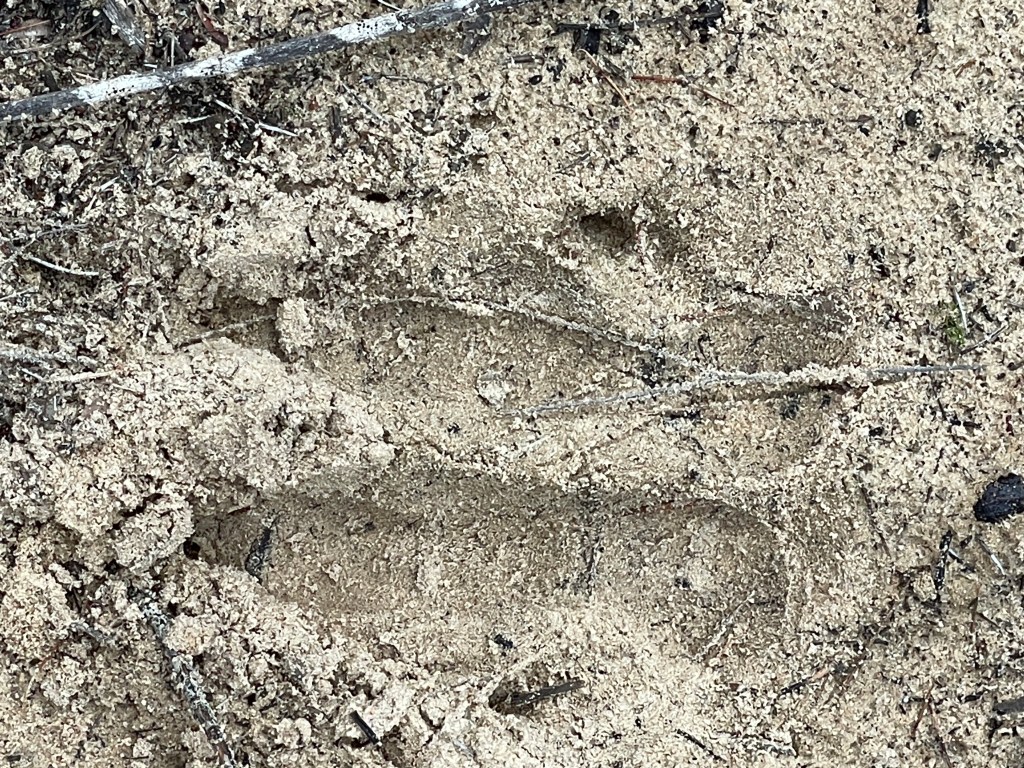
Speaking of which I see kangaroo tracks but no Mallee fowl. I see banksias but no quandongs – much to my disappointment.
There are also quite a few spiders under the lids.
The first ridge provides a nice view – something you don’t get much around thee parts.
This about 150m and a small climb to the lookout. While the walk is a 2km to the top, the lookout is only 25m higher than the car park starting point.
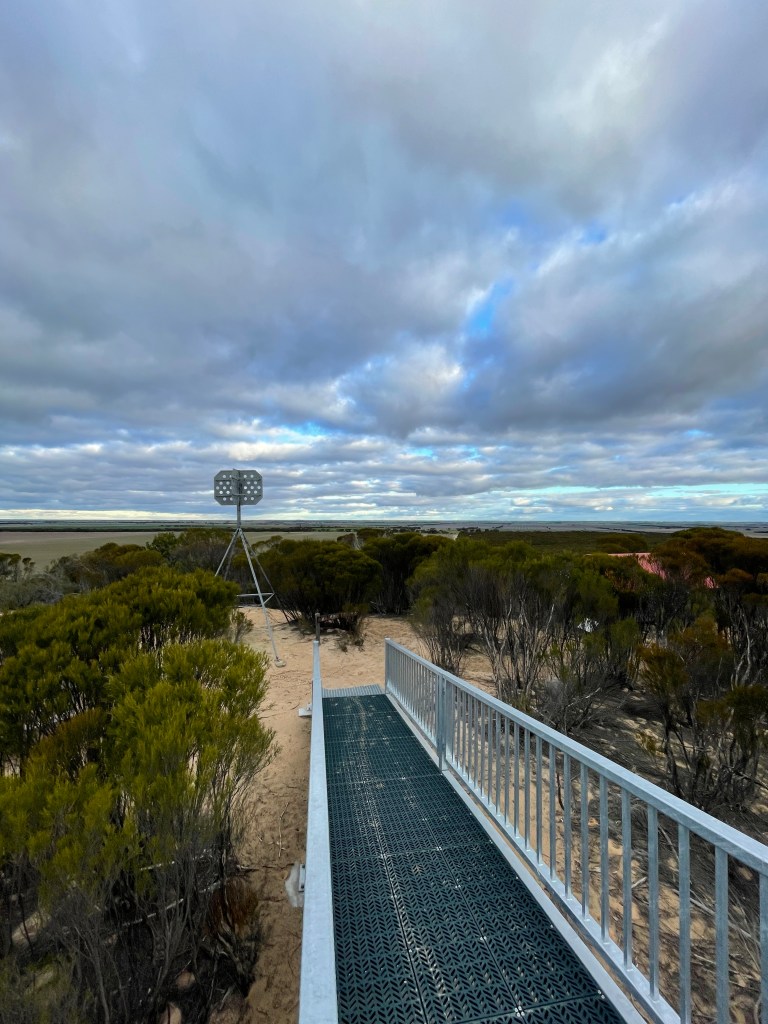
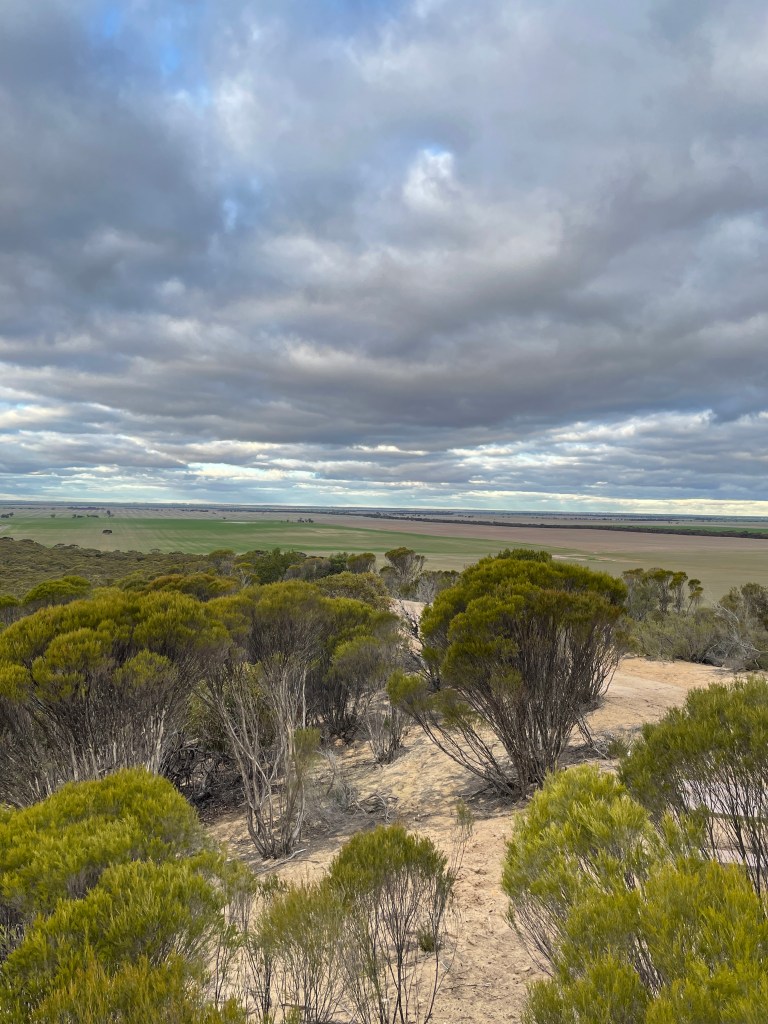
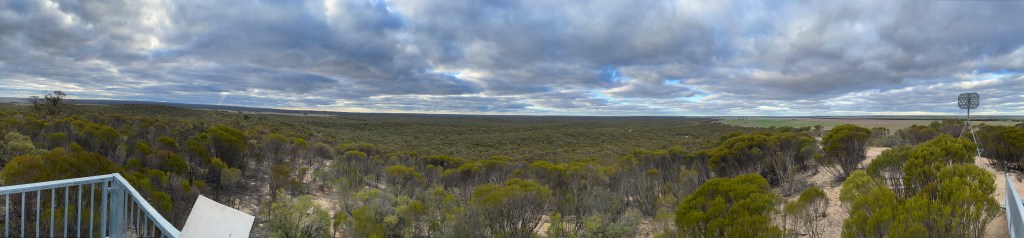
Once at the lookout – you get a bit more height going up the ramp and an awesome view – in all directions.
Herman had to just love this – and you can understand why the locals wanted to share it.
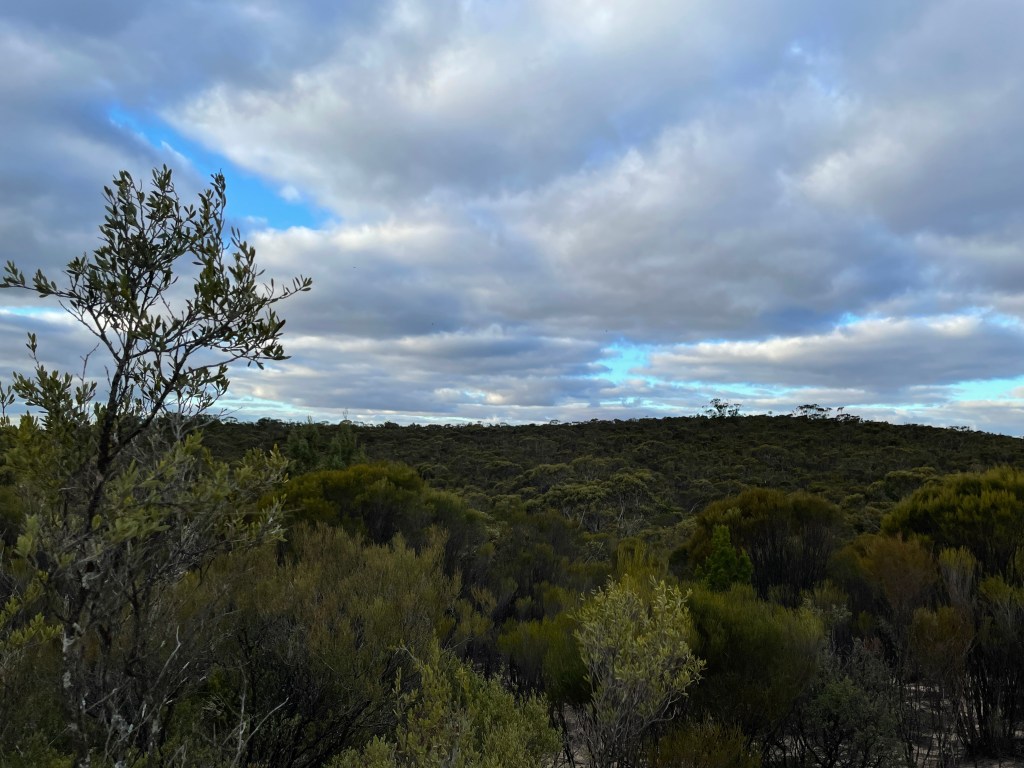
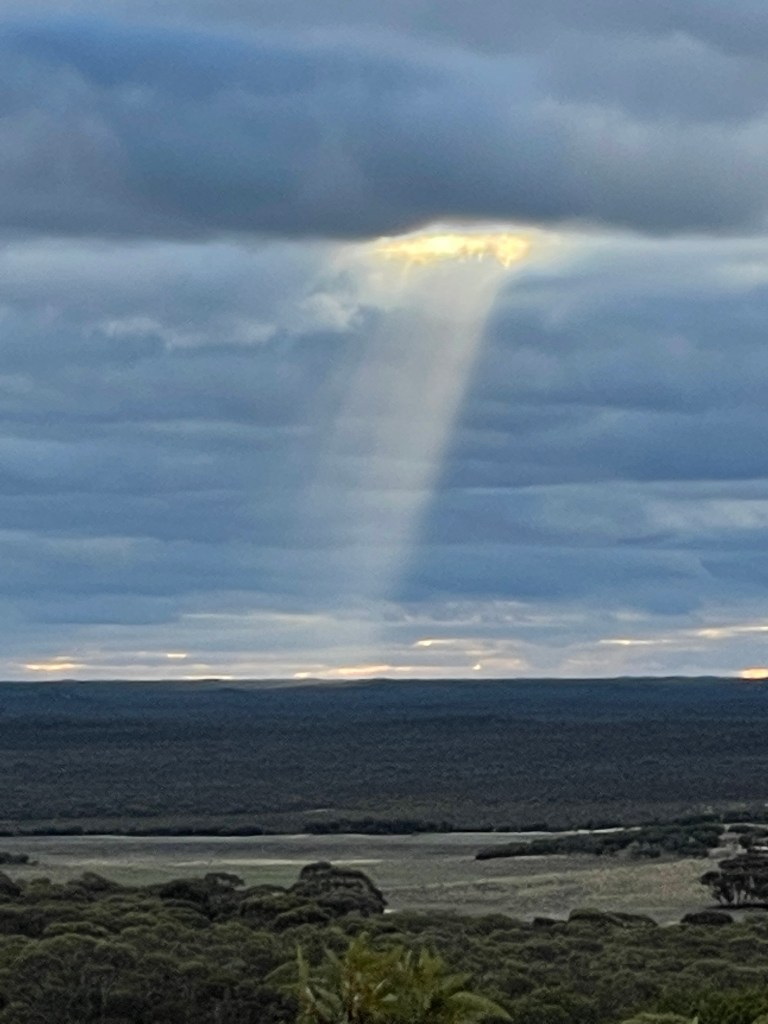
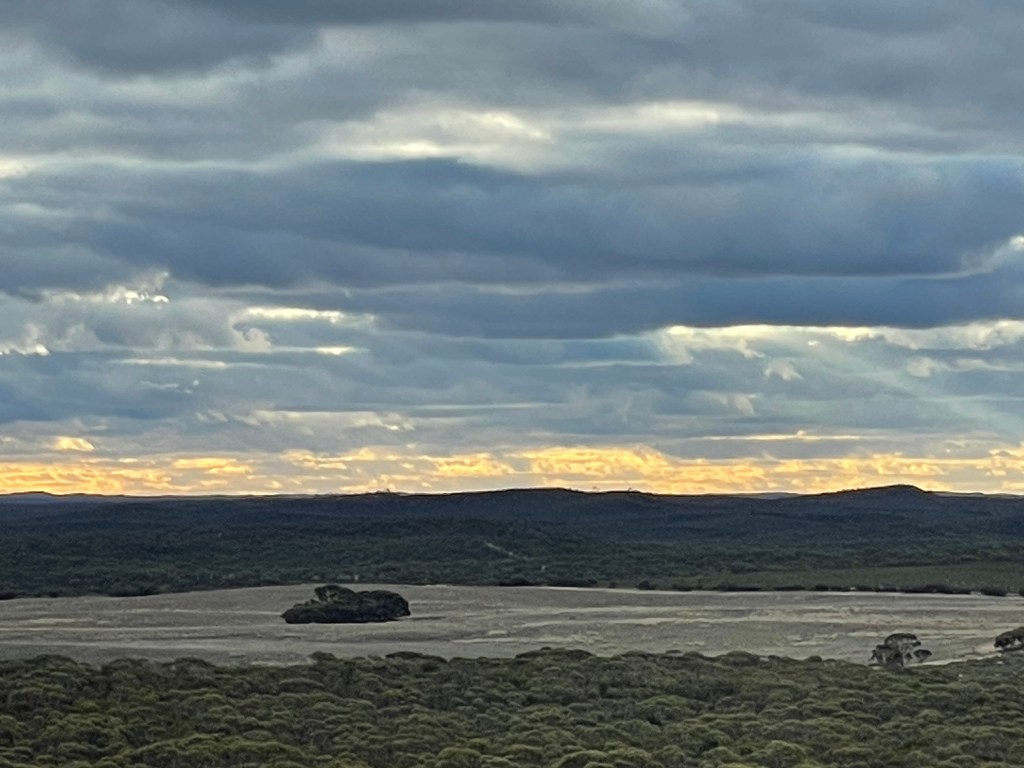
To the north is a mass of desert – rolling sand hills covered in denim scrub. At one point big burst of late afternoon sun light smashes out of the grey clouds.
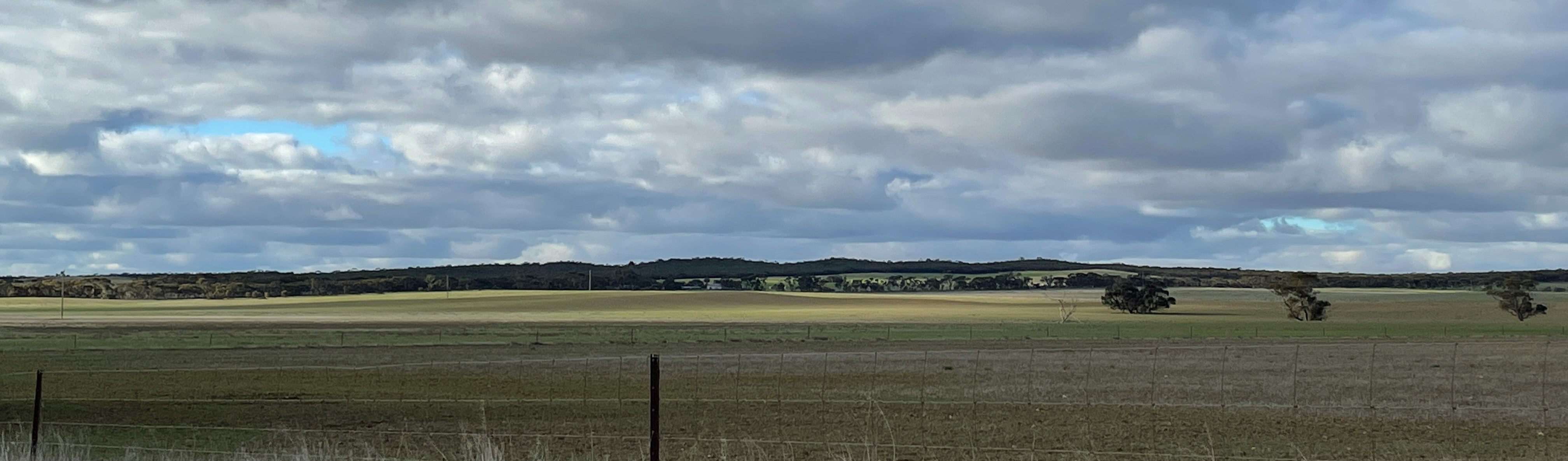
To the south is the farmland and the place where Herman lived. It has finally rained recently and the paddocks are greening up. Imagine in spring when the canola is in full bloom – it must be magic.
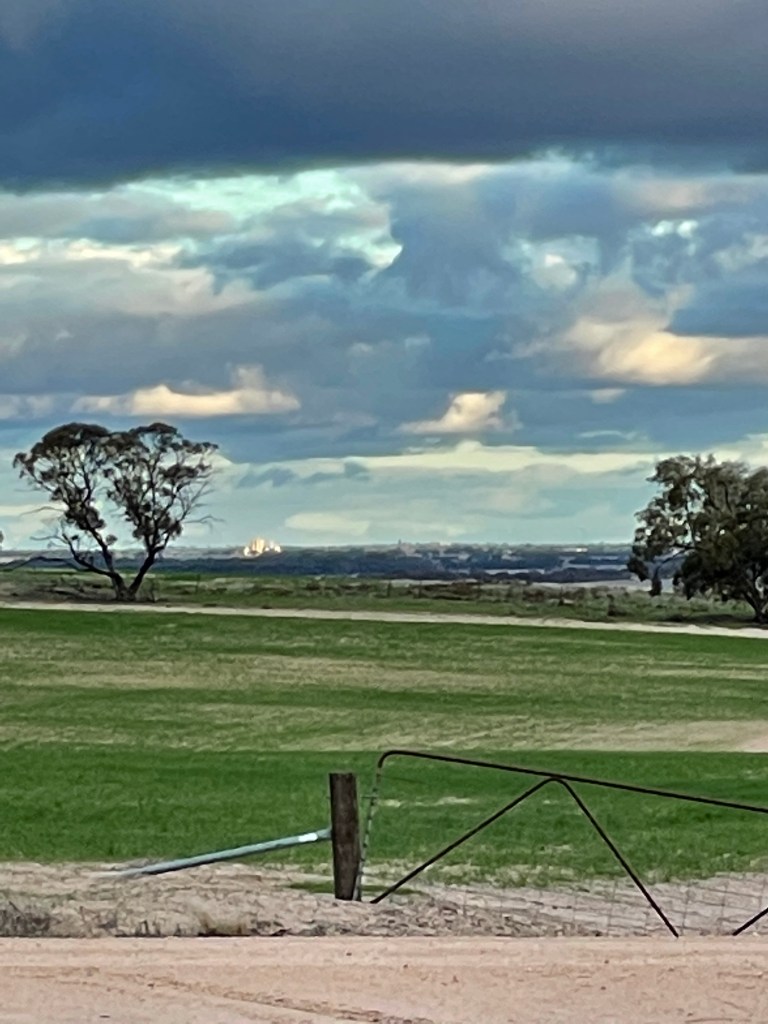
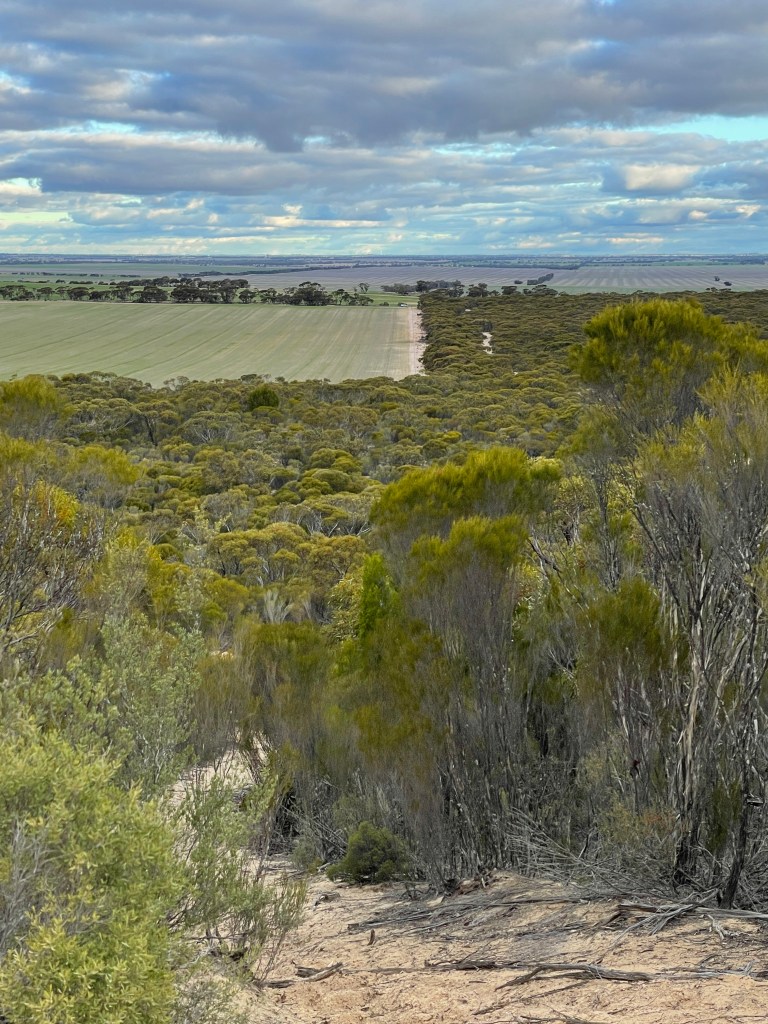
To the west is Lake Hindmarsh – dry now but Herman probably saw the water from here in good years.
And to the west more sand and more big sky.
We are so the king/queen of this giant sand castle.
But all things must end and it is time to head down the sandy track back to the car.
It is an easy descent with paddocks on one side and scrub on the other.

Near the bottom I see what looks like the twisted remains of an old outdoor dunny. Maybe this was King Heman’s throne.
Back at the car and I decide to look for some netting fence on the way out. Heading east towards Lake Hindmarsh is a stretch of oversized chicken wire – or should we call it dog and rabbit wire.
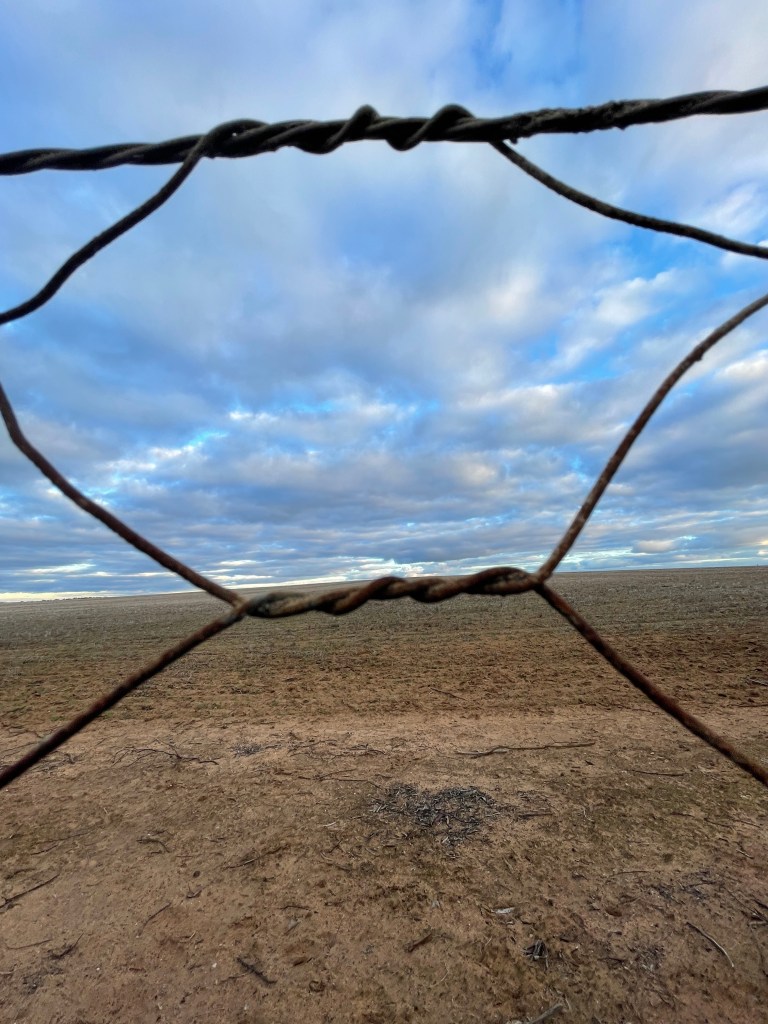
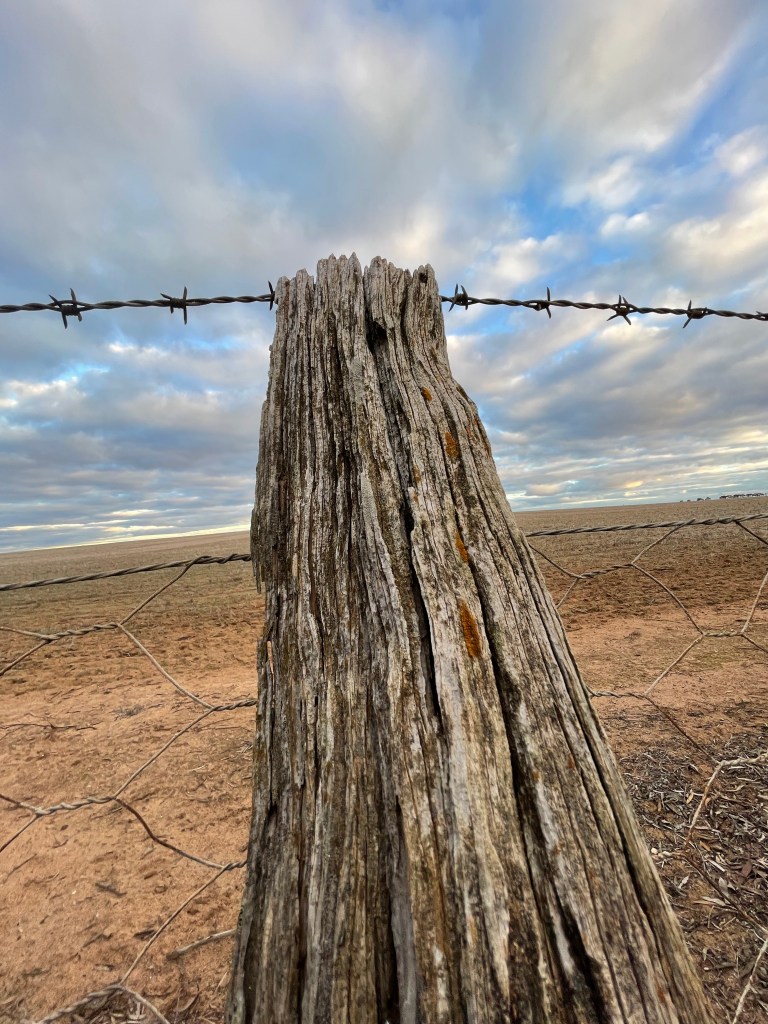
The posts look very old and while it is not 183cm high, I nostalgically hope it might be connected to the original fence – and maybe Herman or his relatives had a hand in putting it up.
This has been a great little adventure, with old stories, news ways of seeing the landscape and a chance to get immersed in nature.
It has been a right royal adventure climbing Herman’ Hill.
 52 weeks 52 walks