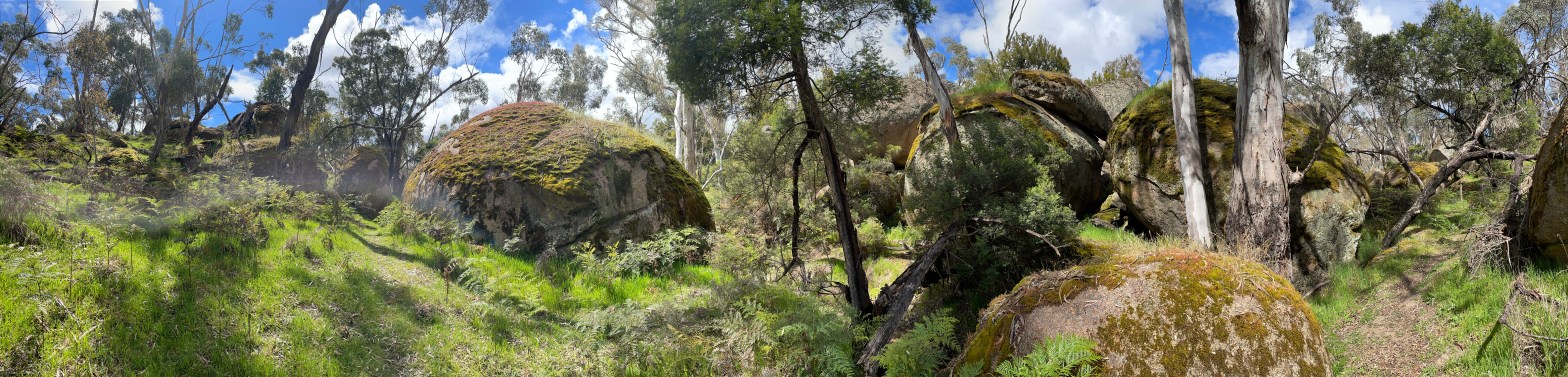
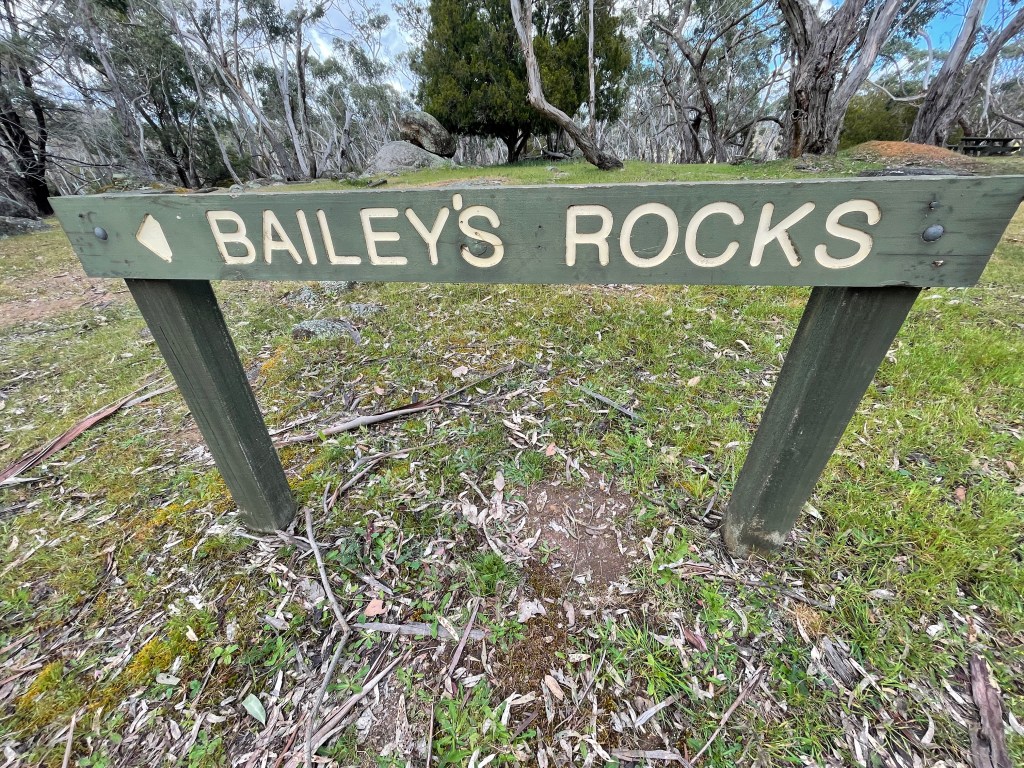
What – Baileys Rocks Camping Ground and walk, Dergholm State Park
Where – Near Dergholm and 47km north of Casterton.
How long – 5km walk around the rocks and along Rocky Creek.
10 words – Giant green granite rocks, enduring ancient landscape, wildflowers, creek, bush.
We are lucky to be visiting Bailey’s Rocks today for whole truckload of reasons.
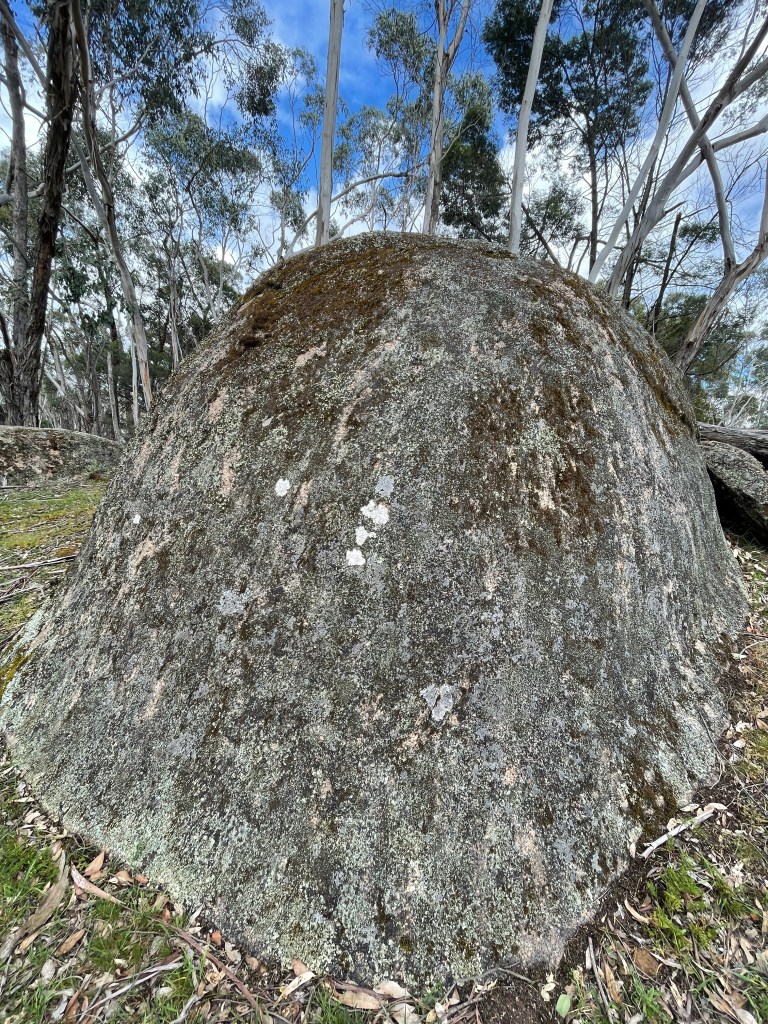
These old stones have somehow survived all that the world decided to throw at them over about 500 million years.
They also dodged a modern-day bullet – almost literally – when locals thwarted a plan to blow them up half a century ago.
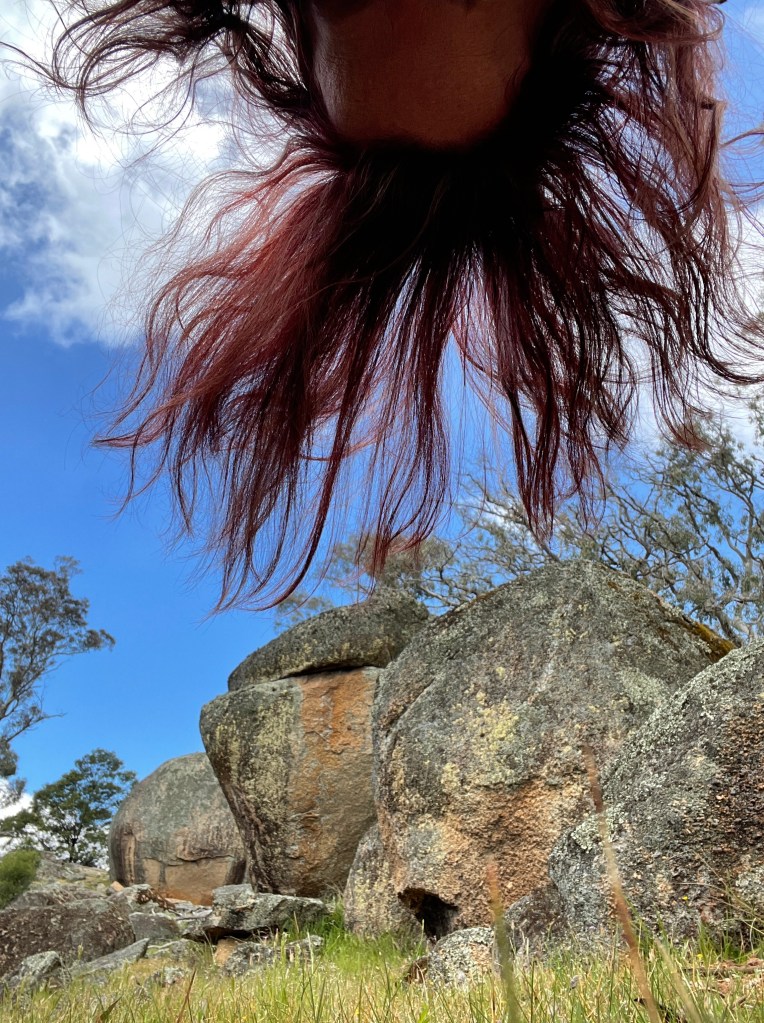
Situated on the Bogalara Block of the Dergholm State Park, just outside of the town of Dergholm, these giant boulders dominate part of the scrubby slopes on the Victoria South Australian border around 400km northwest of Melbourne.
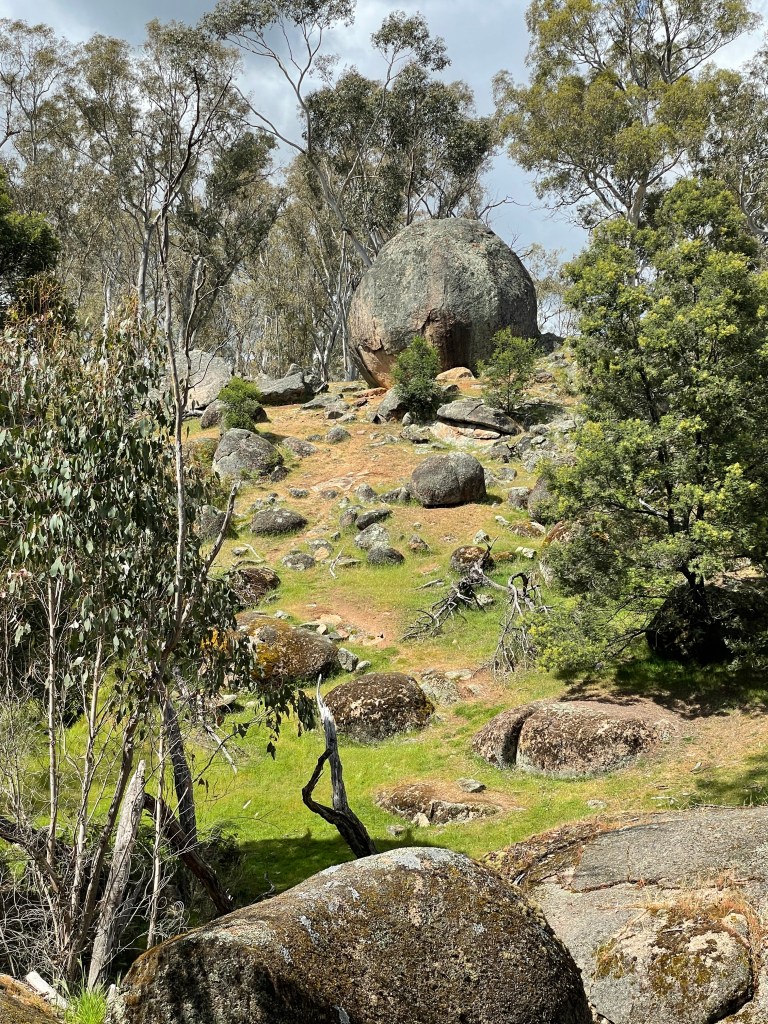
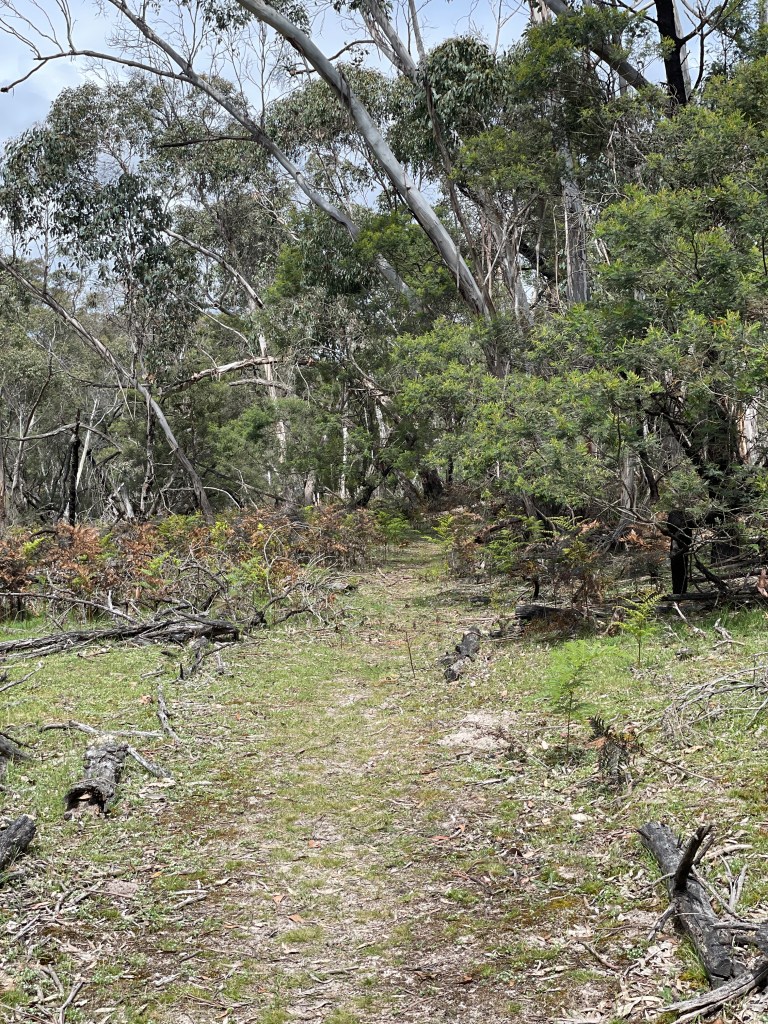
The camping ground’s unassuming car park gives little clue as to what you will find when you head down the rocky path to a valley below.
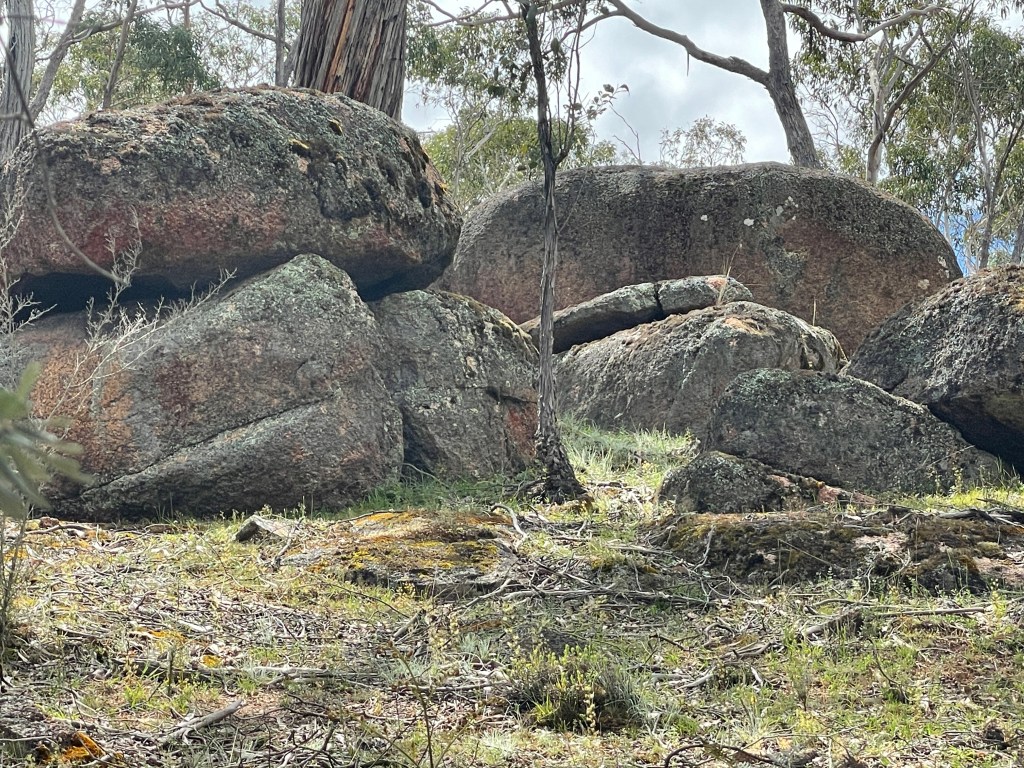
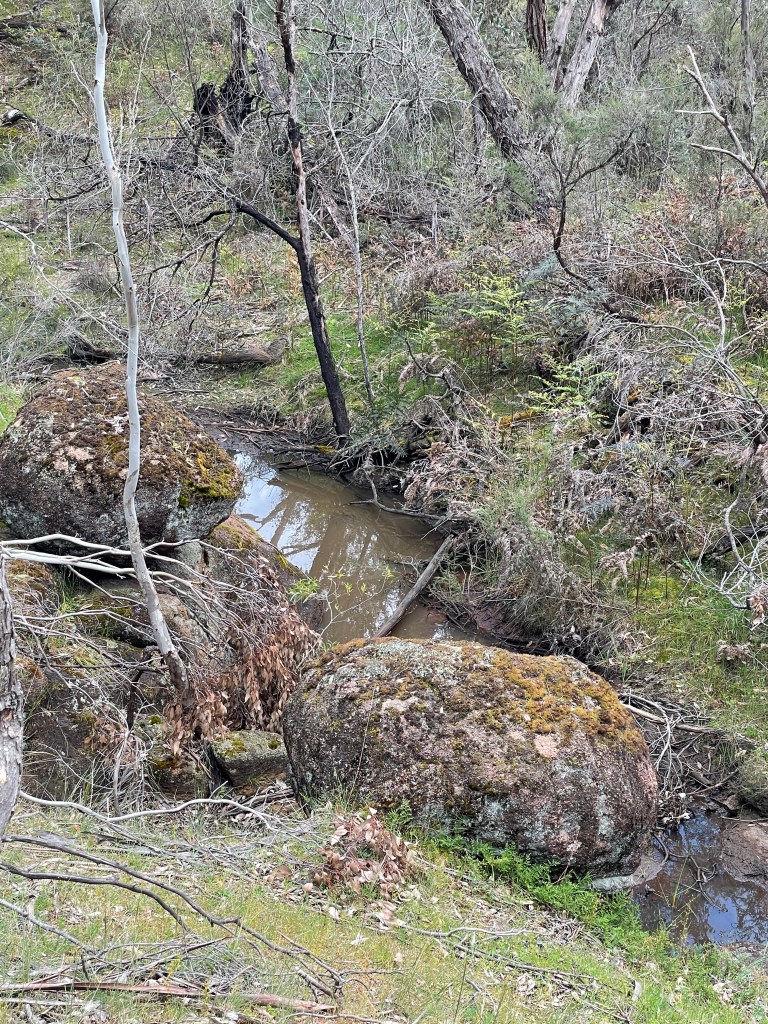
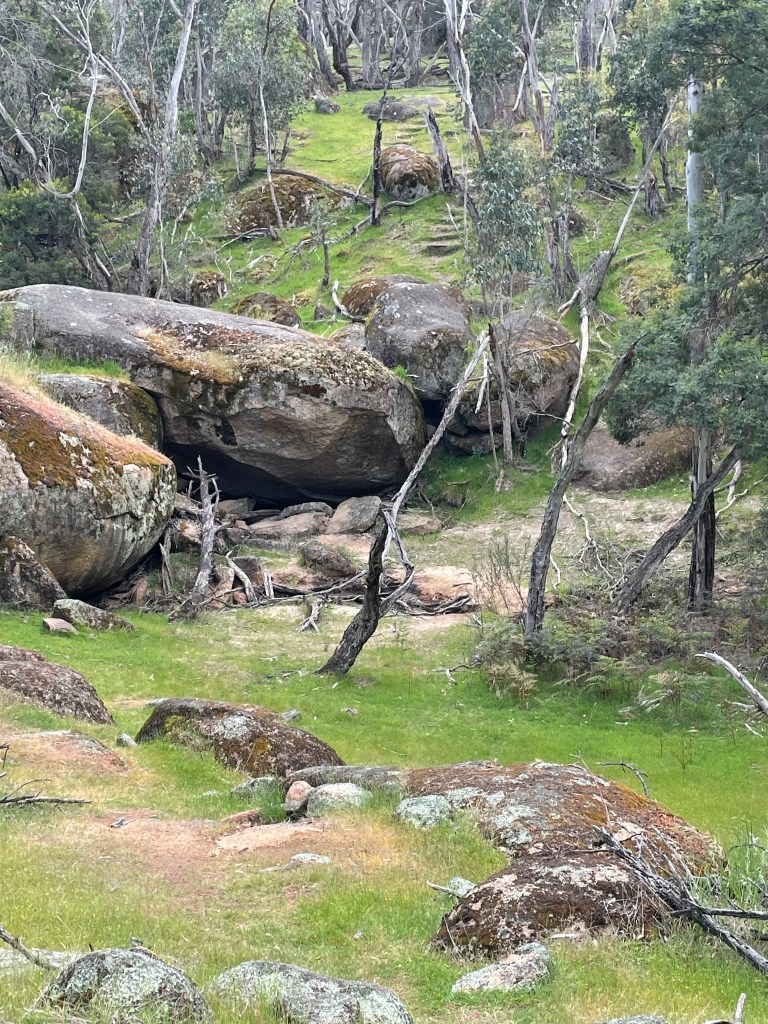
A narrow dirt track winds around a few 2-metre-high boulders and then, down in the valley, you are confronted with a host of even bigger rocks stacked along the hill and even overhanging the creek.
I believe we are on Jardwadjali country, and one reference suggests it was the Kanalgundidj clan whose mob lived on and walked this unique country long before Thomas Mitchell arrived in 1836.
Mitchell – famously described western Victoria as Australia Felix – Latin for “fortunate” or “happy” Australia – sparking the arrival of many white opportunists keen to take advantage of the lush pastures.
Several Aboriginal people lived on an 80-acre reserve at Dergholm, which might be somewhere southwest of the camping ground. This reserve lasted from 1873 until being ‘revoked’ in 1902. One of the residents was Tommy Redcap, a shearer and member of the first Aboriginal cricket team who also helped Dick-A-Dick locate the Duff children Lost in the Bush near Natimuk in 1864.
Wander through the giant boulders, that line little Rocky Creek in the park and you can only guess at the First Nations stories attached to these ancient and mighty rocks.
A report from the Hamilton Field Naturalists Club’s visit back in 2015 describes them as coarse-grain granite rocks and among the oldest in Victoria at a staggering 500 million years!
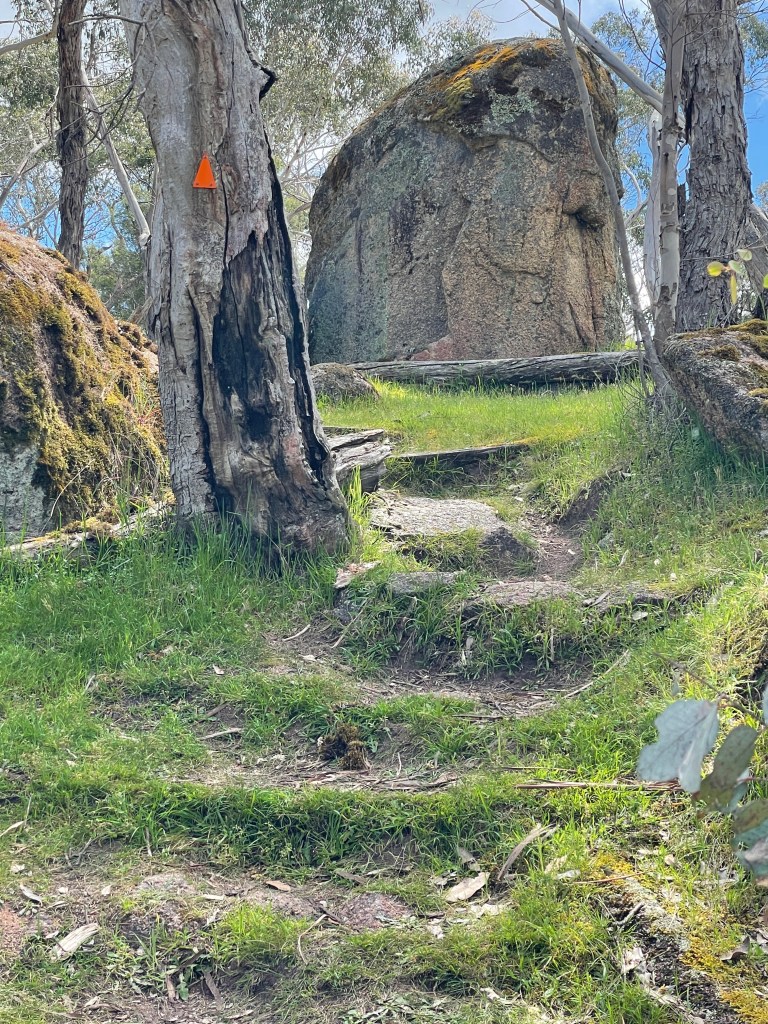
The report also tells how in 1970 a local resident Alistair Roper heard an explosion at the rocks, at the time a popular reserve, and went to investigate.
A company had drilled holes in 13 or more rocks and planned to blast them and turn them into pebbles to sell at Melbourne for gardens.
The locals formed a committee to oppose the mining permit and the matter went on for the next nine years with the Hamilton club also getting involved before the rocks were saved in 1979.
Baileys Rocks was then included in the 10,400 ha Dergholm State Park in 1989. The Park comprises the Bogalara Block west of the Glenelg River and the Youpayang Block east of the Glenelg River.
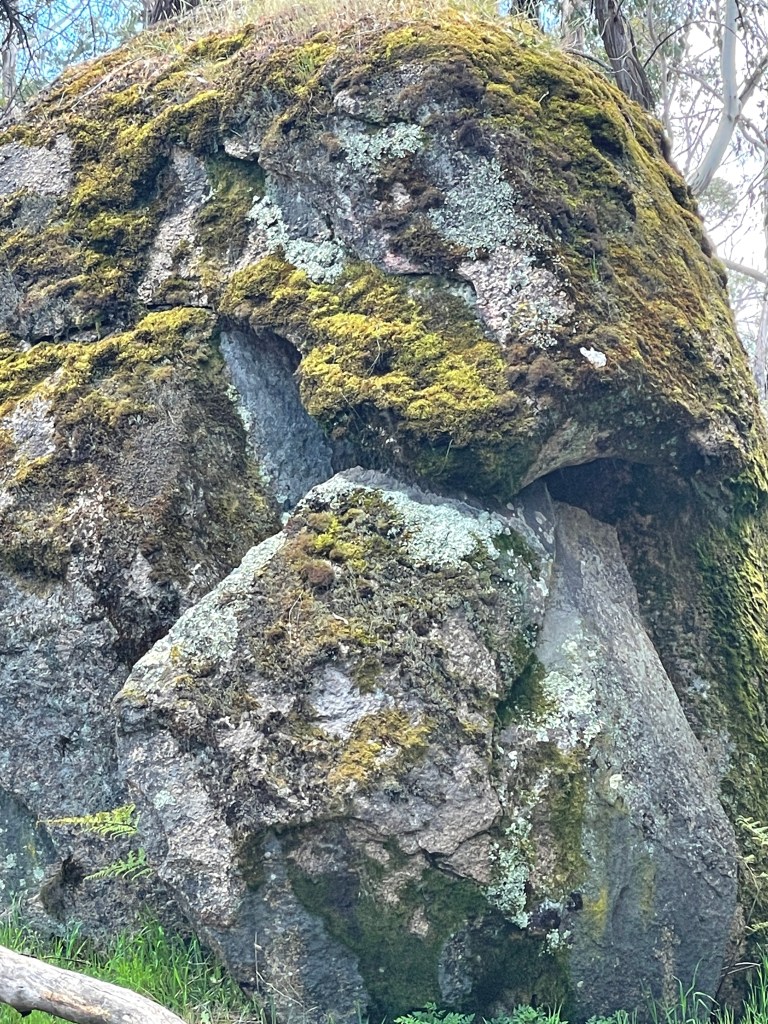
The name Bailey’s Rocks is something we can attach a story to. John Bailey leased the area from 1888. Before he and wife Frances arrived, they had lost three of their six children including one who drowned in Lake Wallace at Edenhope.
Fortunes seemed to change at the Baileys’ 485ha farm with a slab hut built near the current picnic area and more children born and surviving. John ran 150 sheep and worked as a shearer and road worker.
Unfortunately for the local kangaroos and possums there was money to be made from their skins, and he also stripped wattle bark for tanning.
Mrs Bailey used a hollow under the big rocks as the perfect place for a cool room to store eggs, butter and meat.
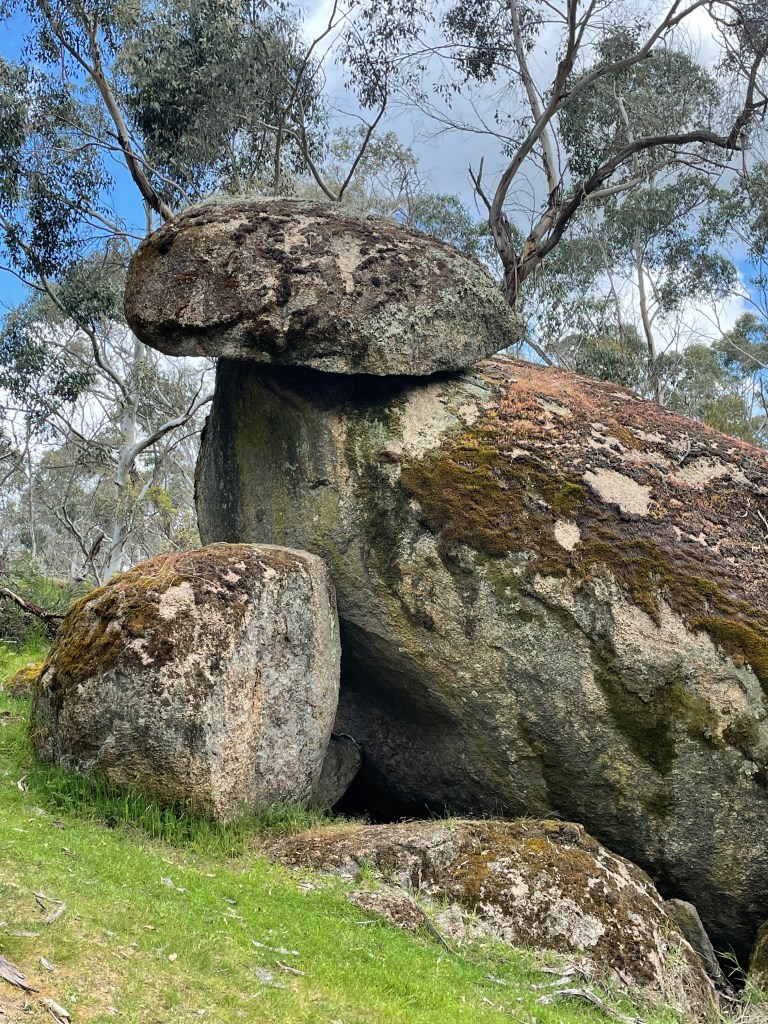
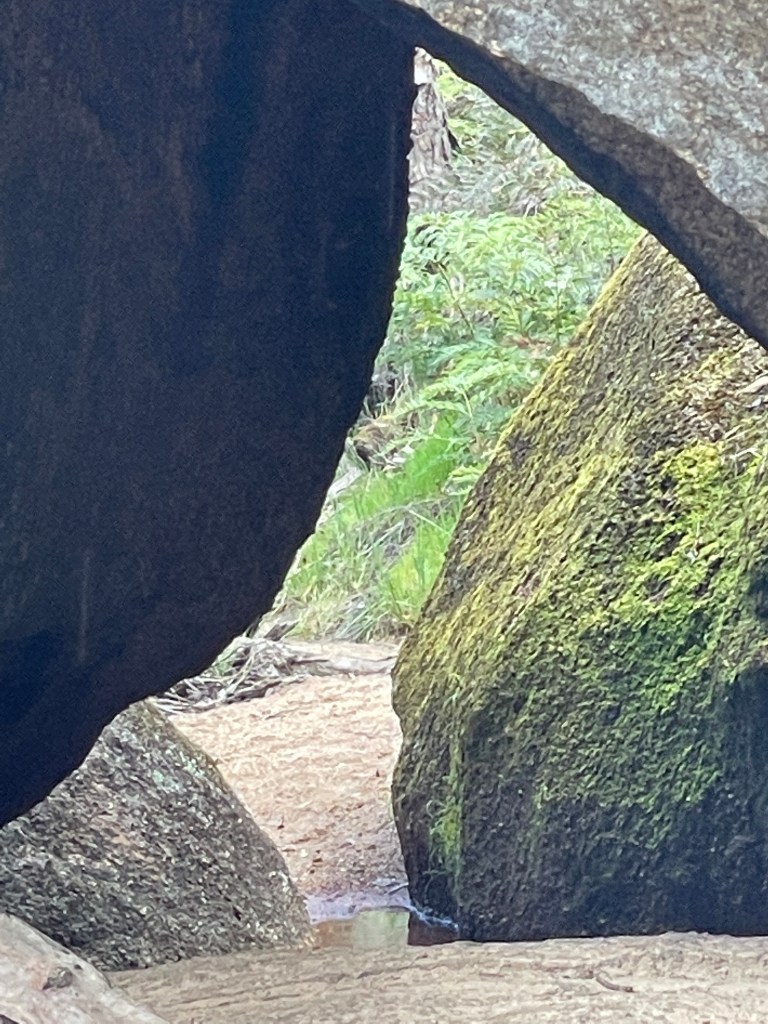
Wander down to the creek from the car park and you can see a giant gap under the rocks where it flows through.
I take the short walk around the rocks and then join the 5km Rocky Creek walk that takes you on a wonderful wildflower adventure.
Sometimes the rocks stand alone and others they seem to be doing an archaeological ‘stacks on’ as they tumble and fall all over each other.
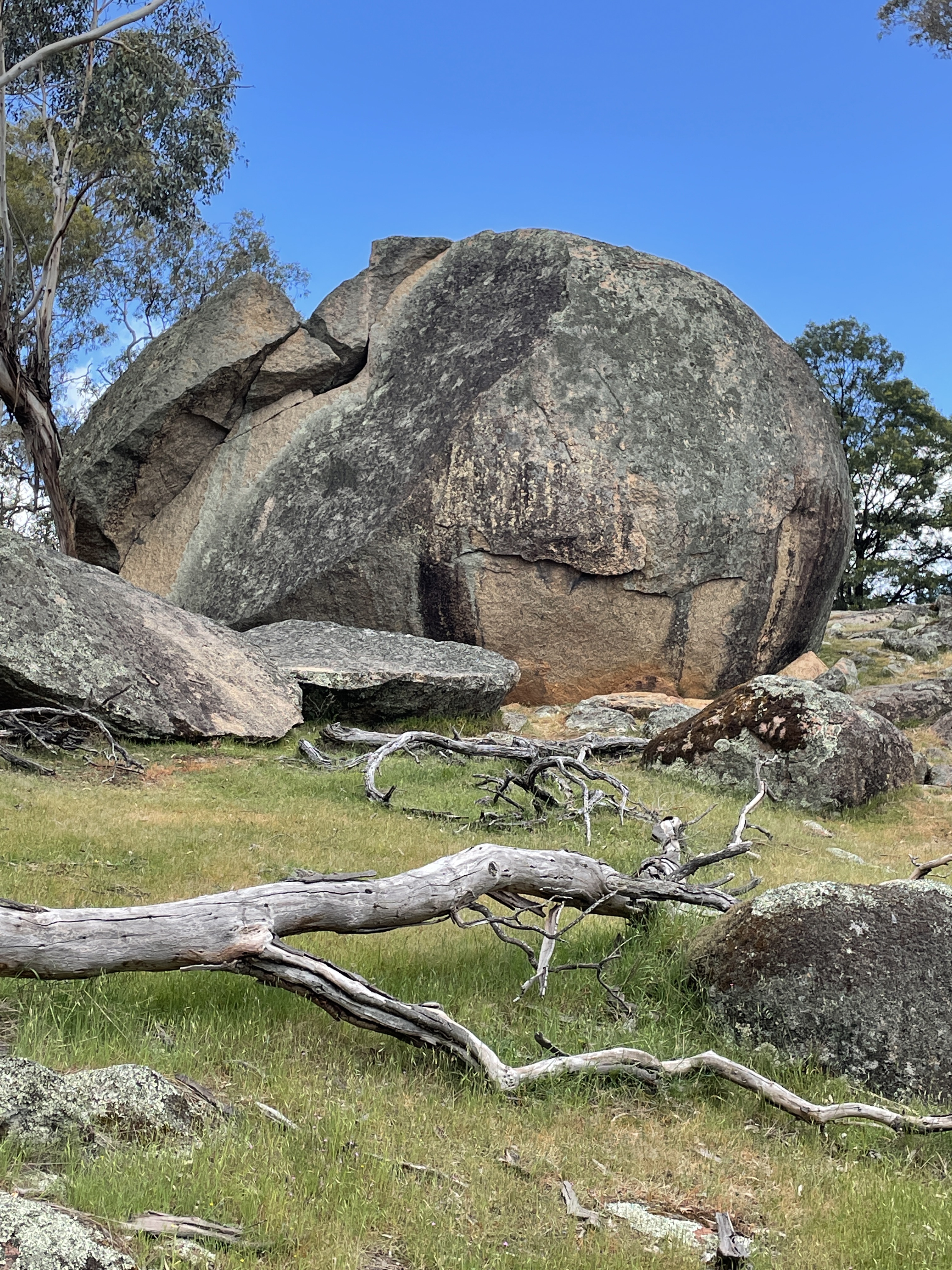
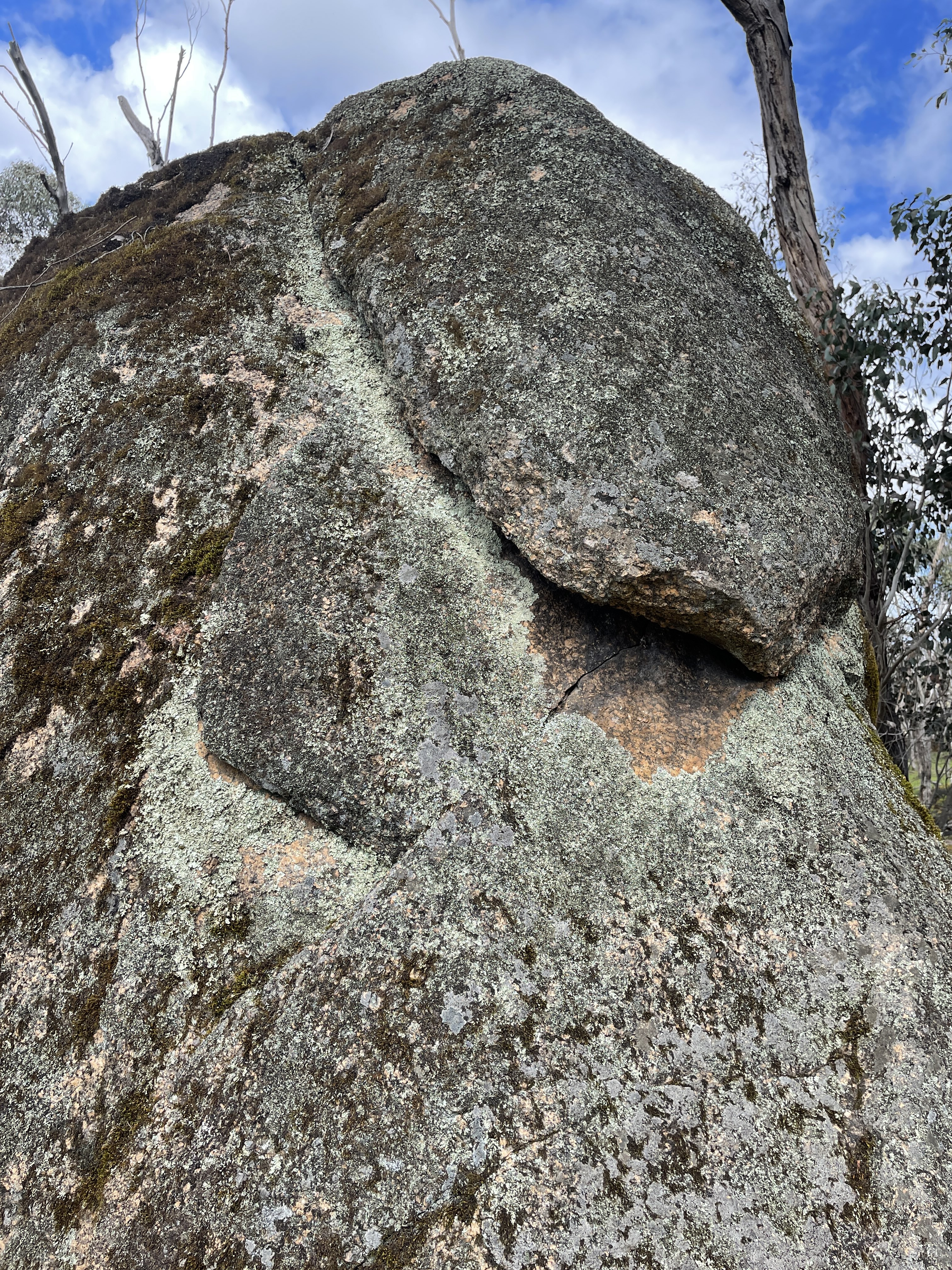
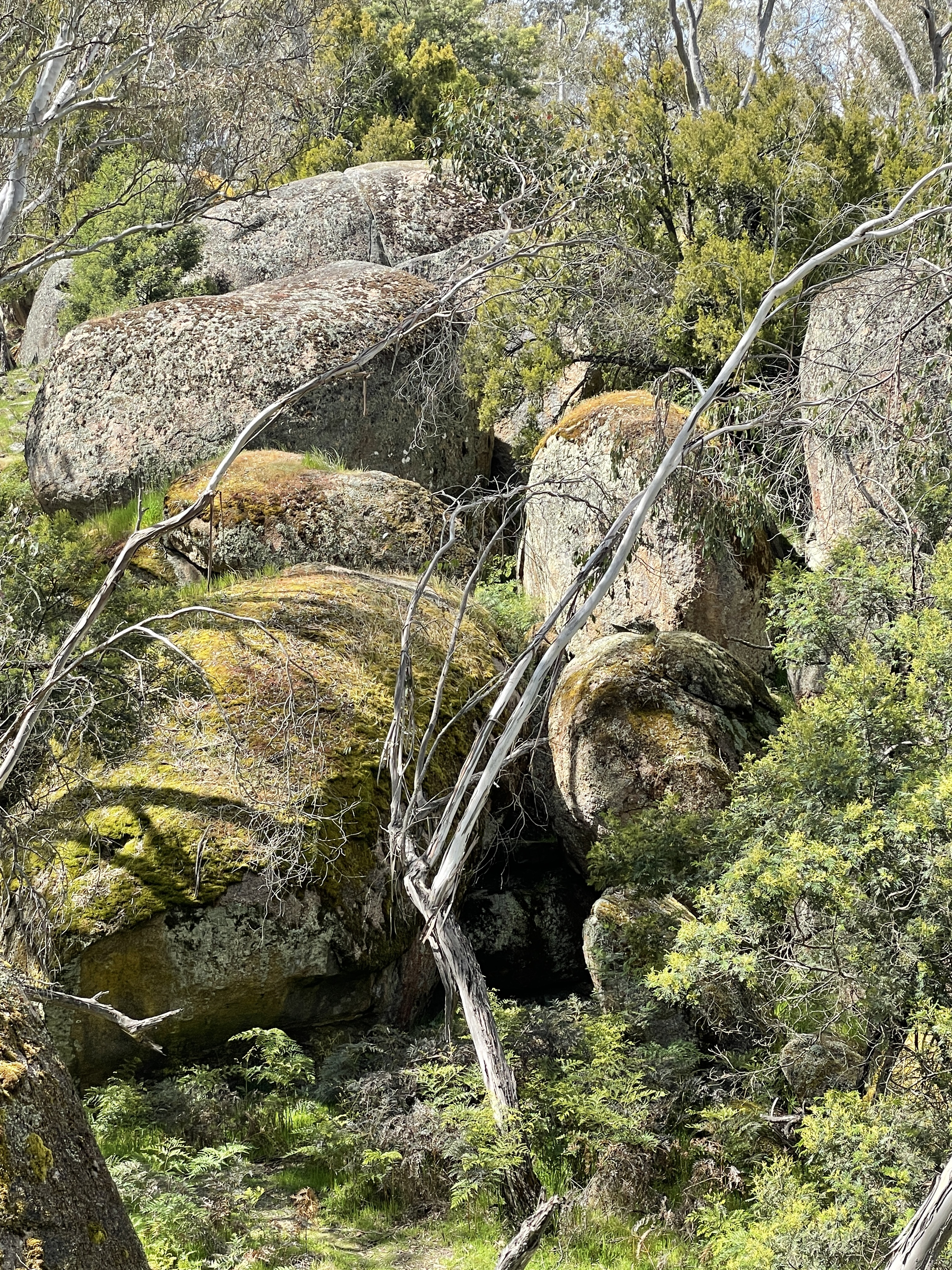


Some stand proudly and defiantly on the slope; some little rocks sit precariously on the top of big ones and others look like they will split at any moment. I hope not.
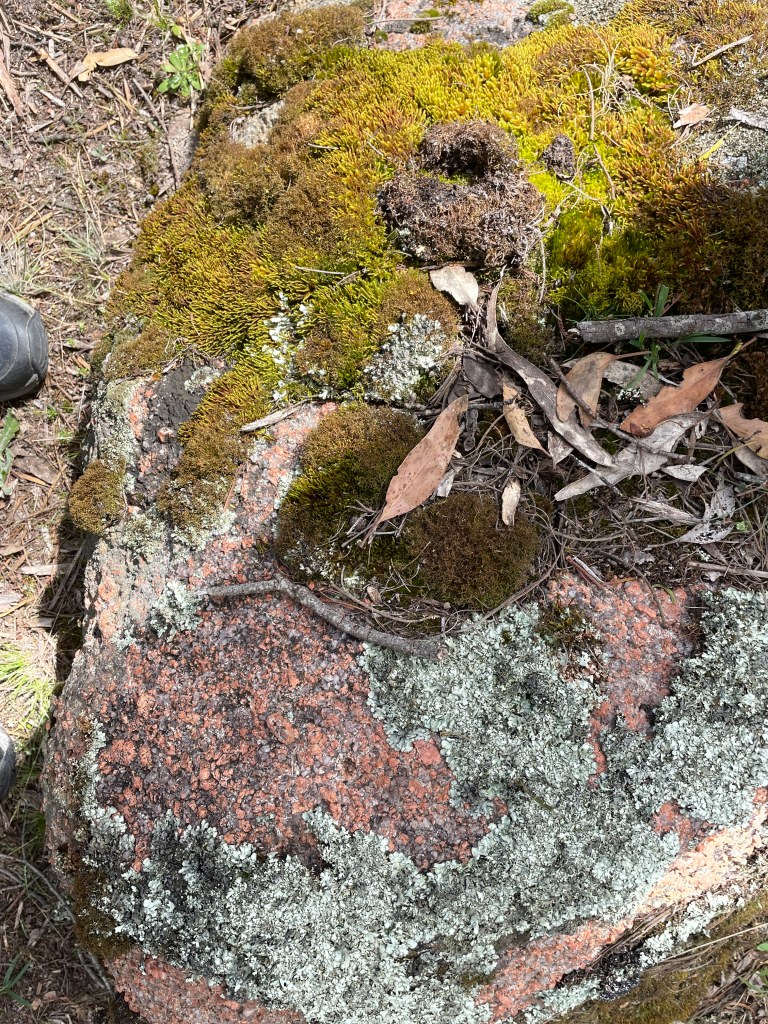
Some are green with bits of orange showing through; or have a hairy layer of pale green or yellow lichen combed over the top.
Others are almost spotted, with brilliant lime green moss that complements the bracken bursting from gaps between.
Marveling at their size, shape and ‘art’, I think about the waste it would have been to reduce them to pebbles.
Those Bailey kids must have had a ball in this natural adventure playground.
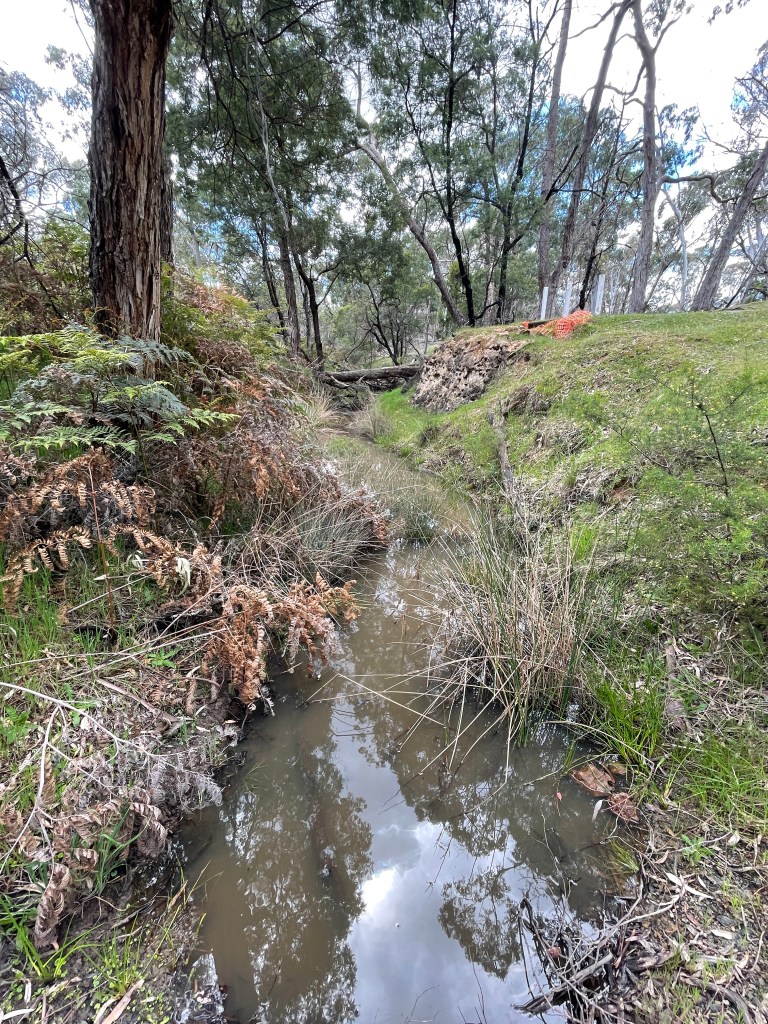
From the rocks, the track takes you along the creek and while the rocks thin out, they do pop up again from time to time. There is a little bit of water but not much.
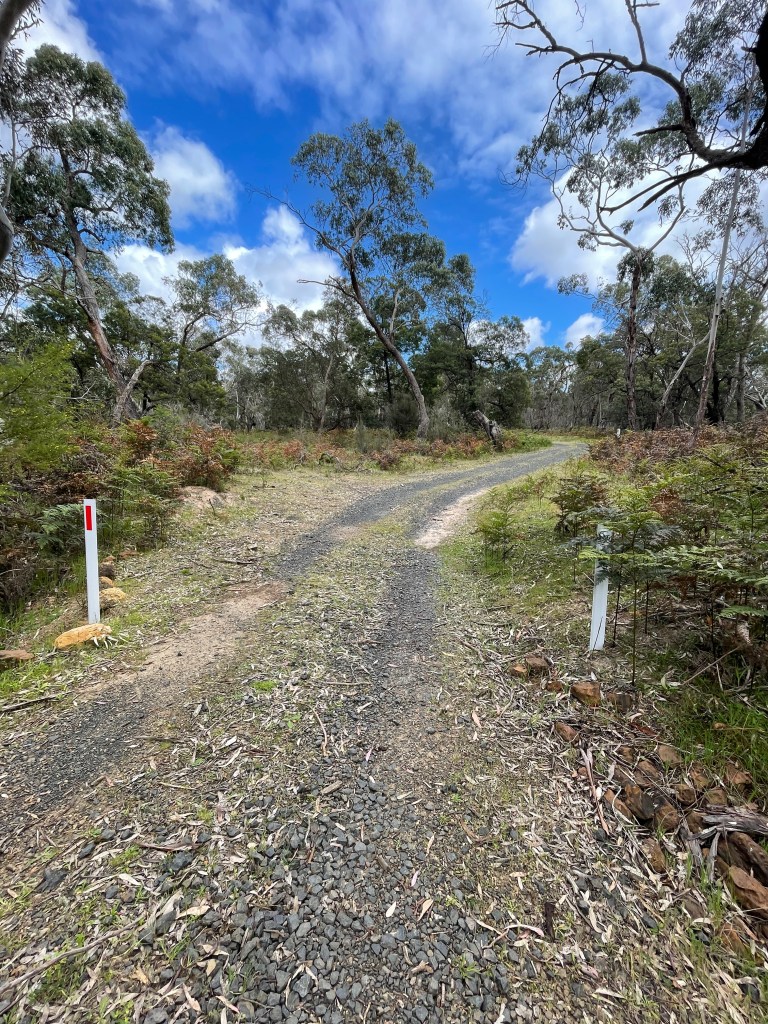

As we leave the creek, the bush changes, the land flattens, and new wildflowers begin to pop up along the edge.
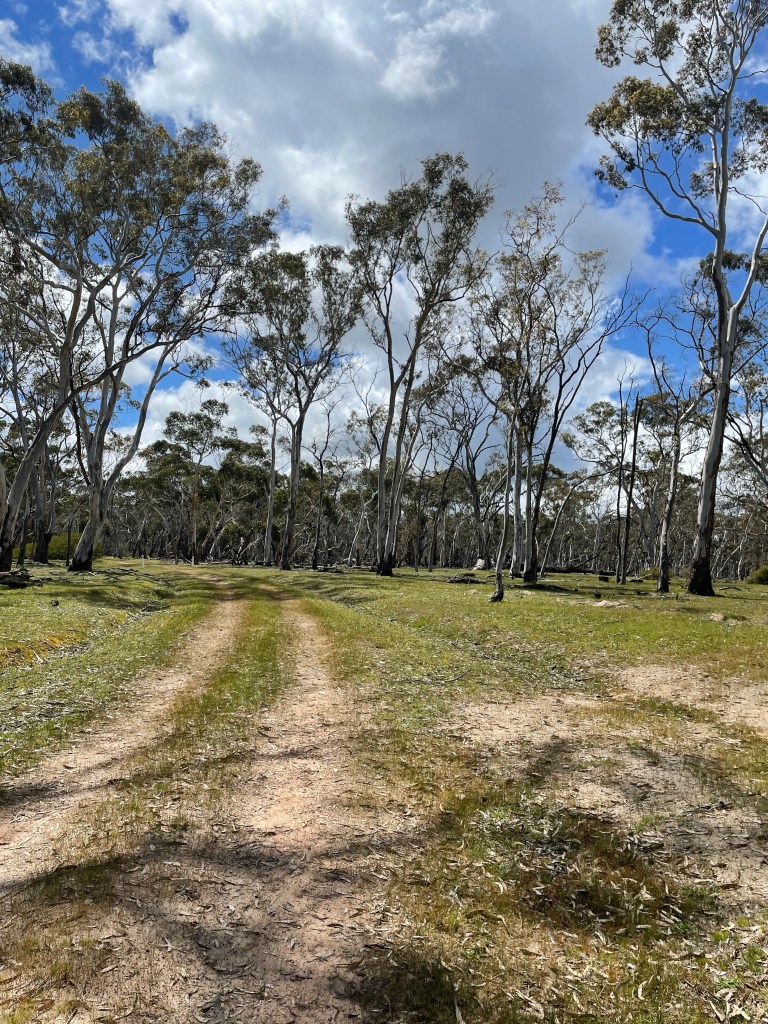
It is stringy bark country with a few of those wattle trees that I am guessing John Bailey used for this bark.
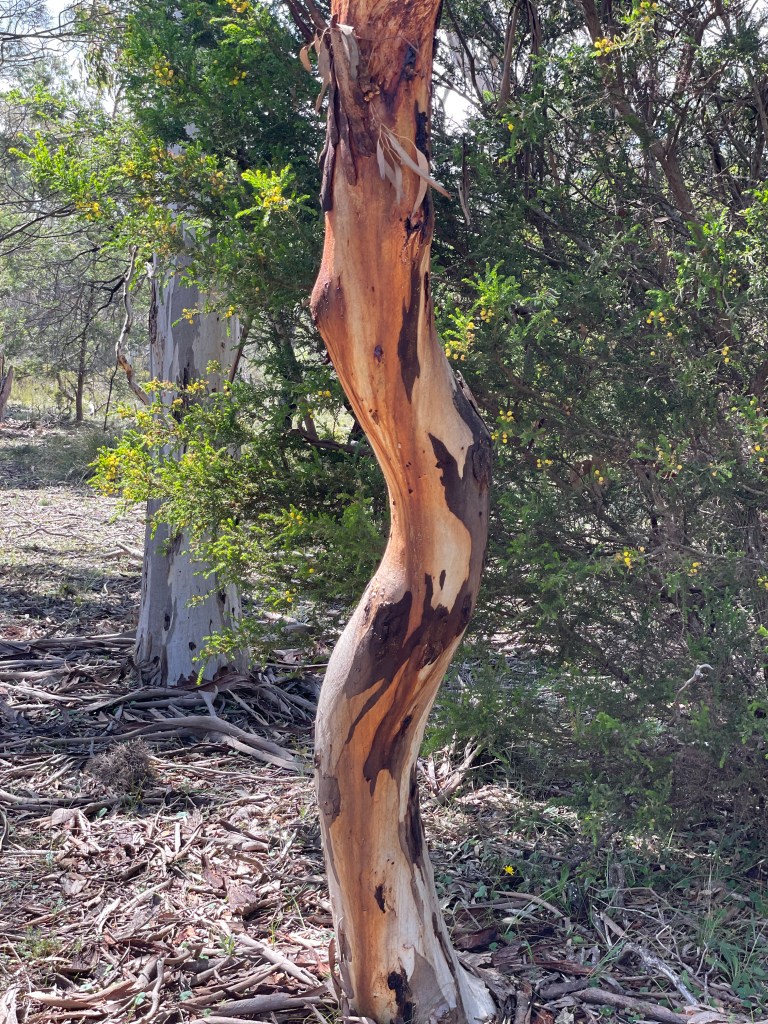

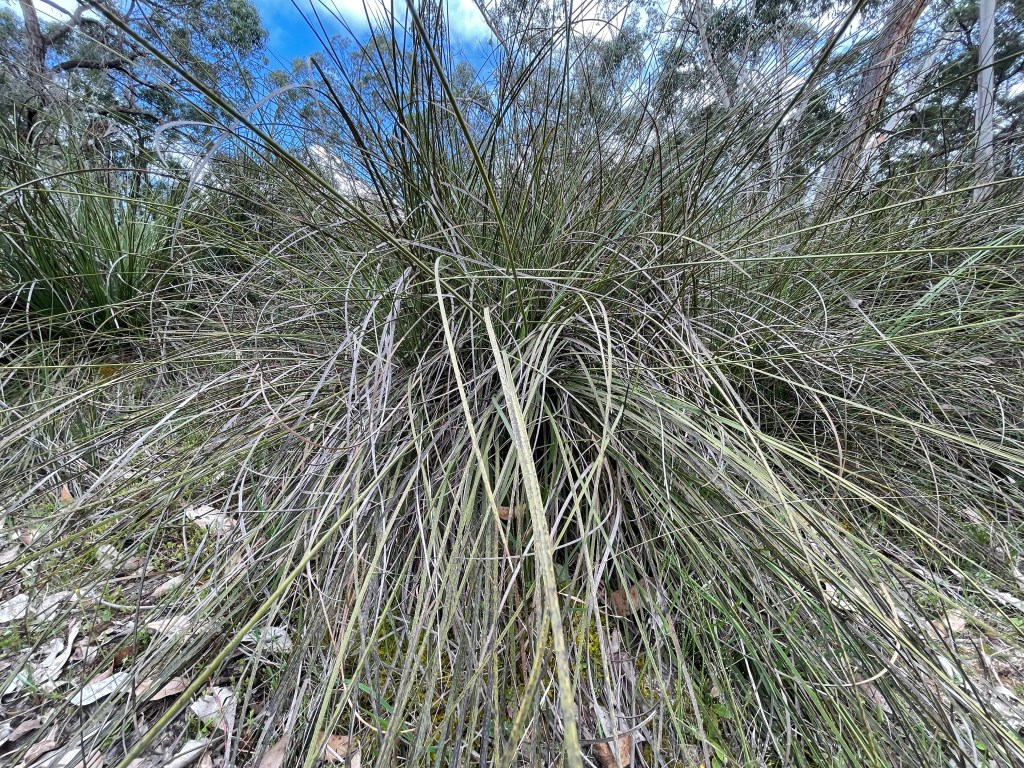
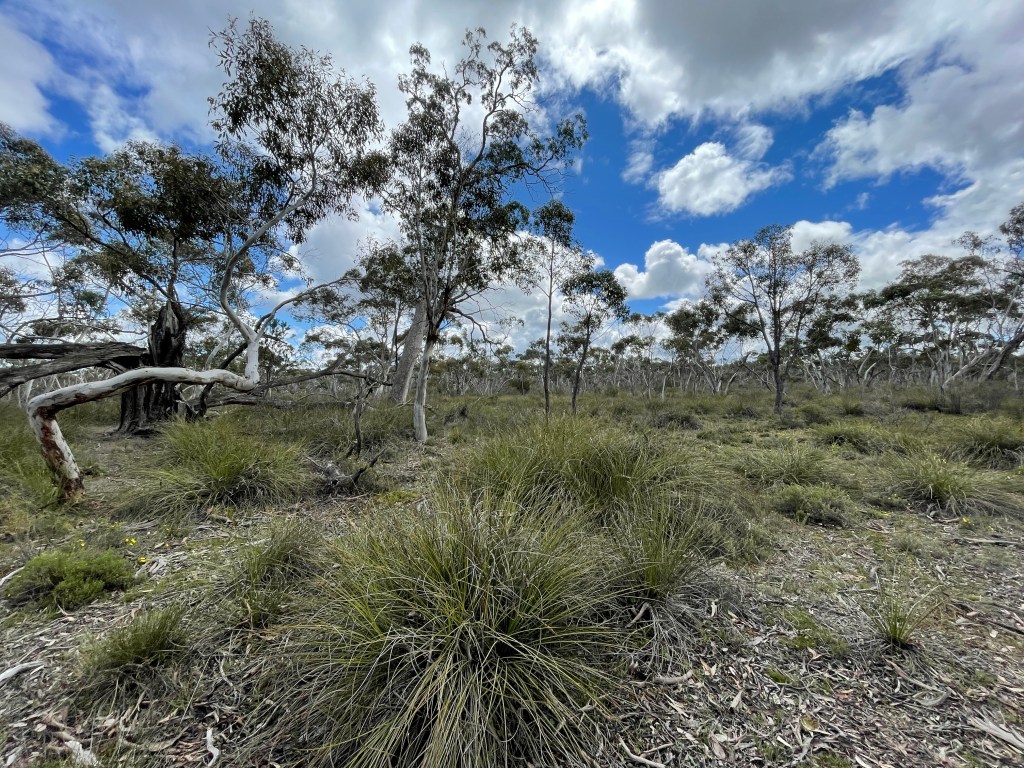

There is still bracken but also grass trees and other shrubs.
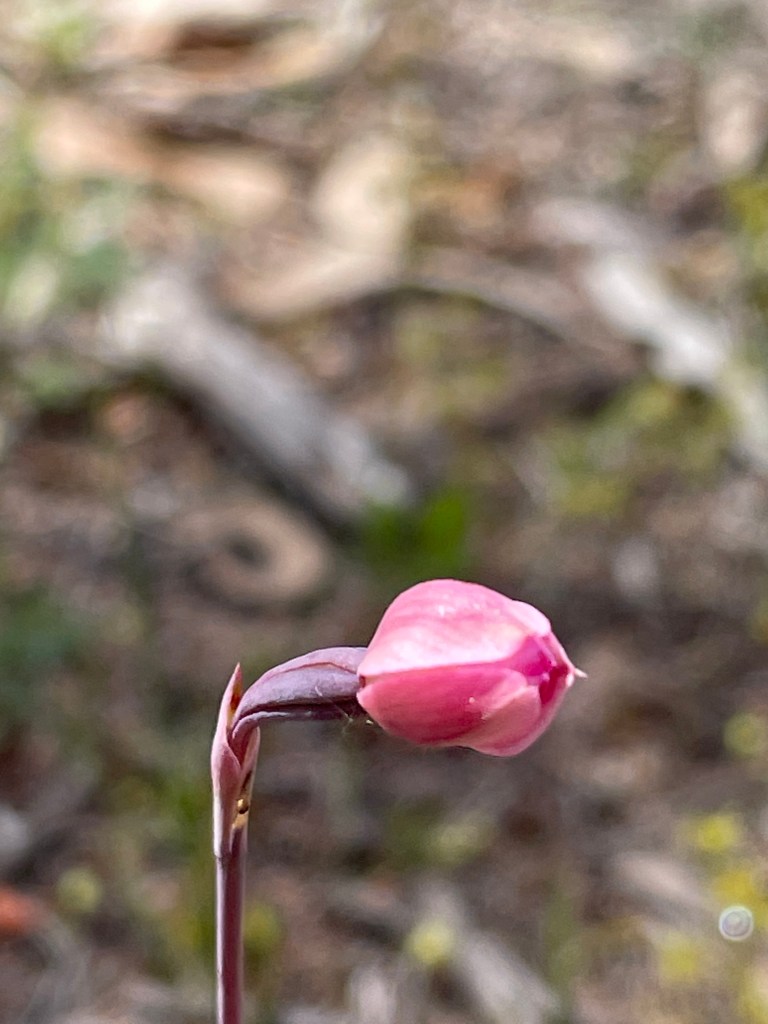
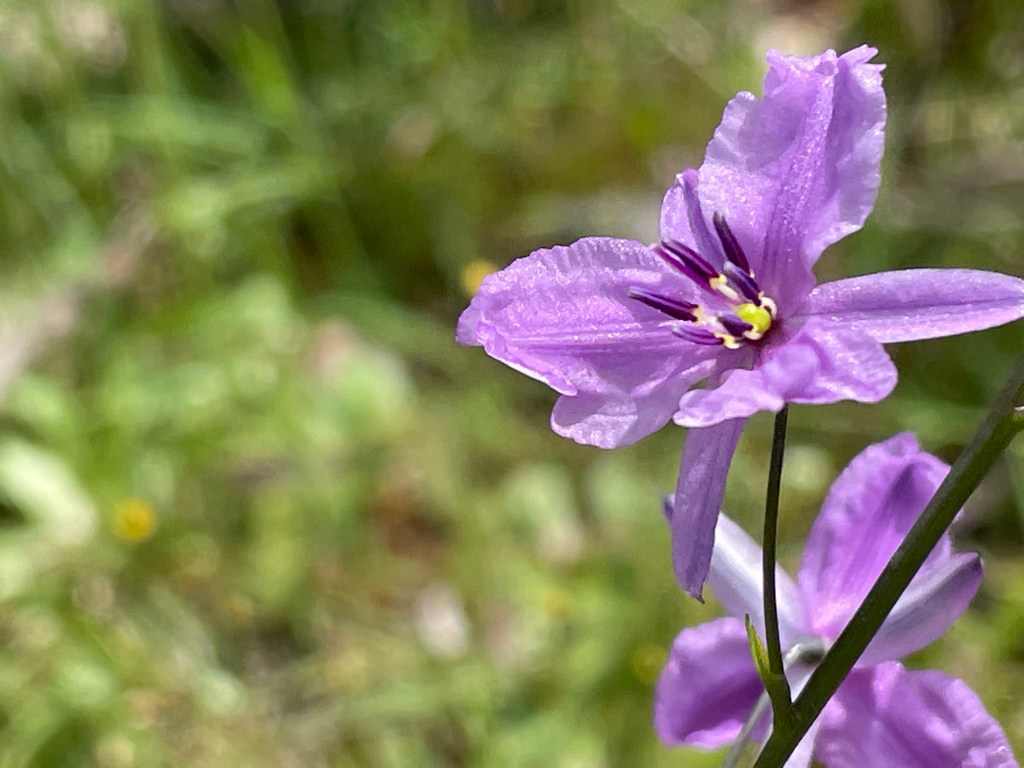
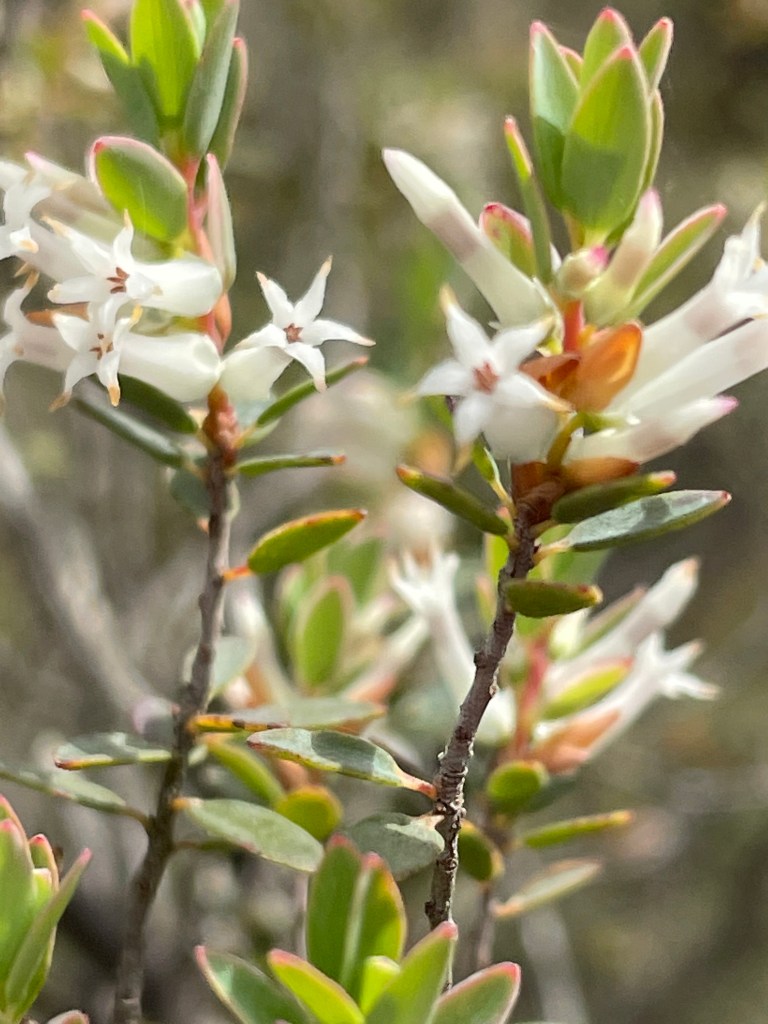
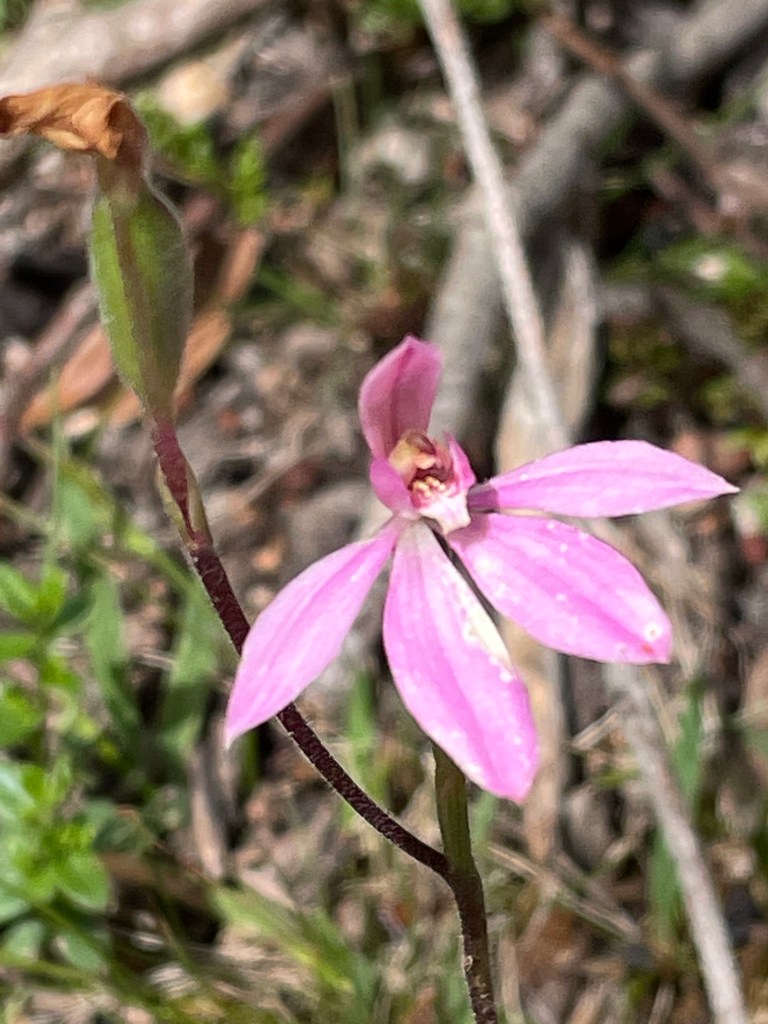
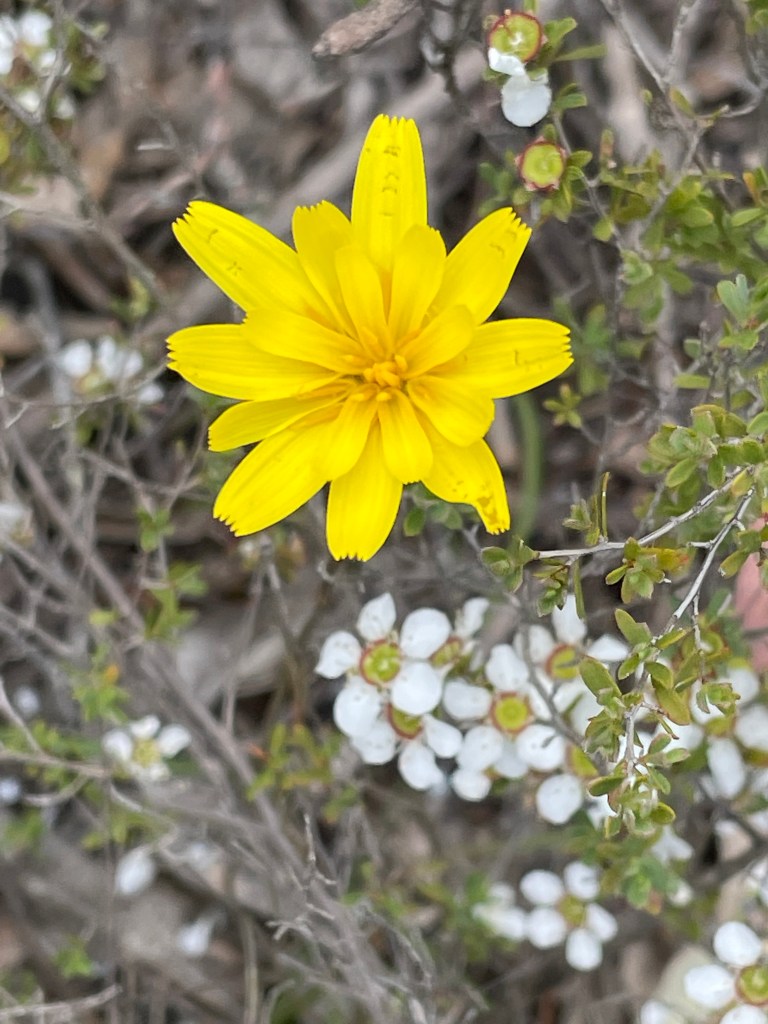
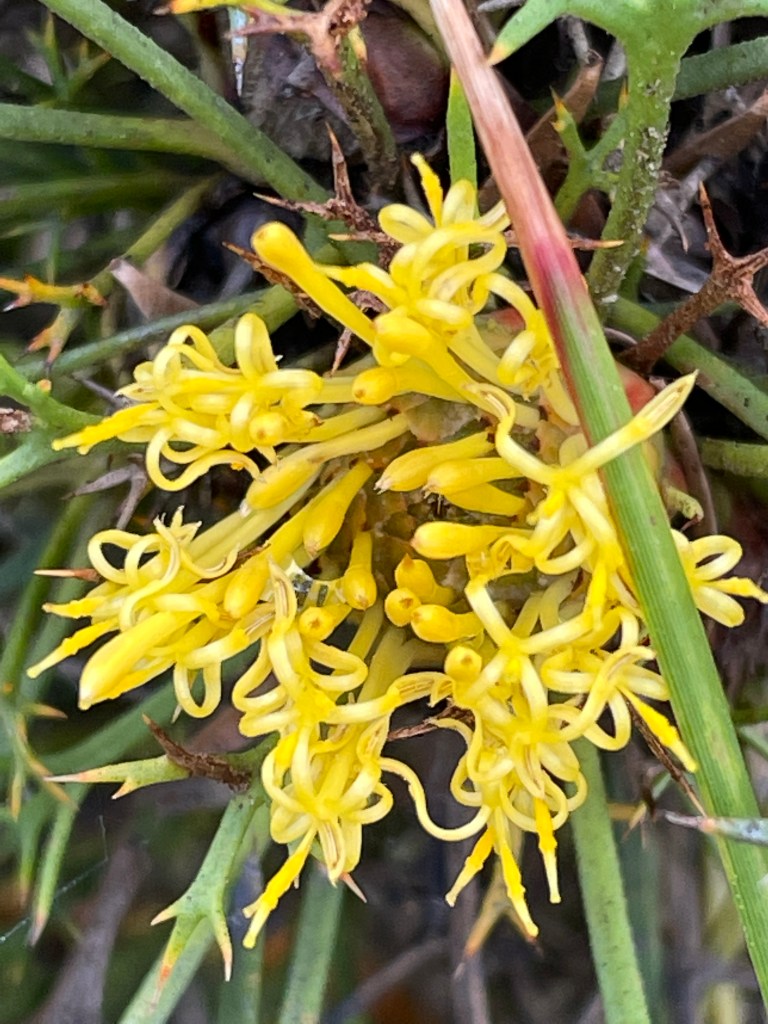
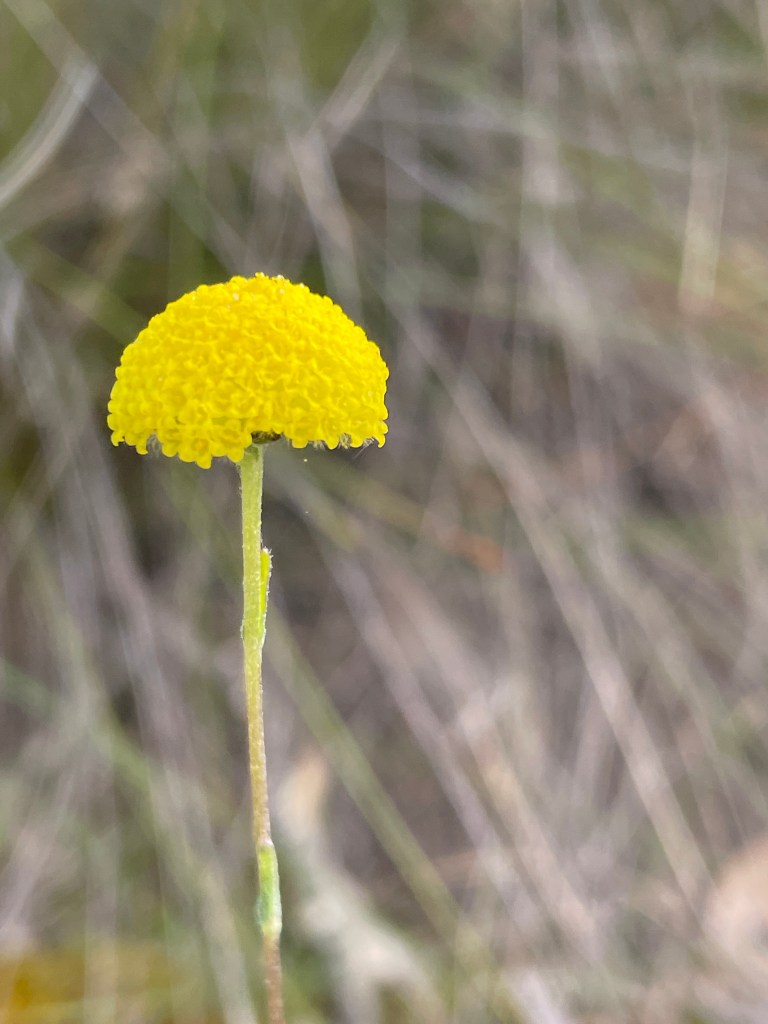
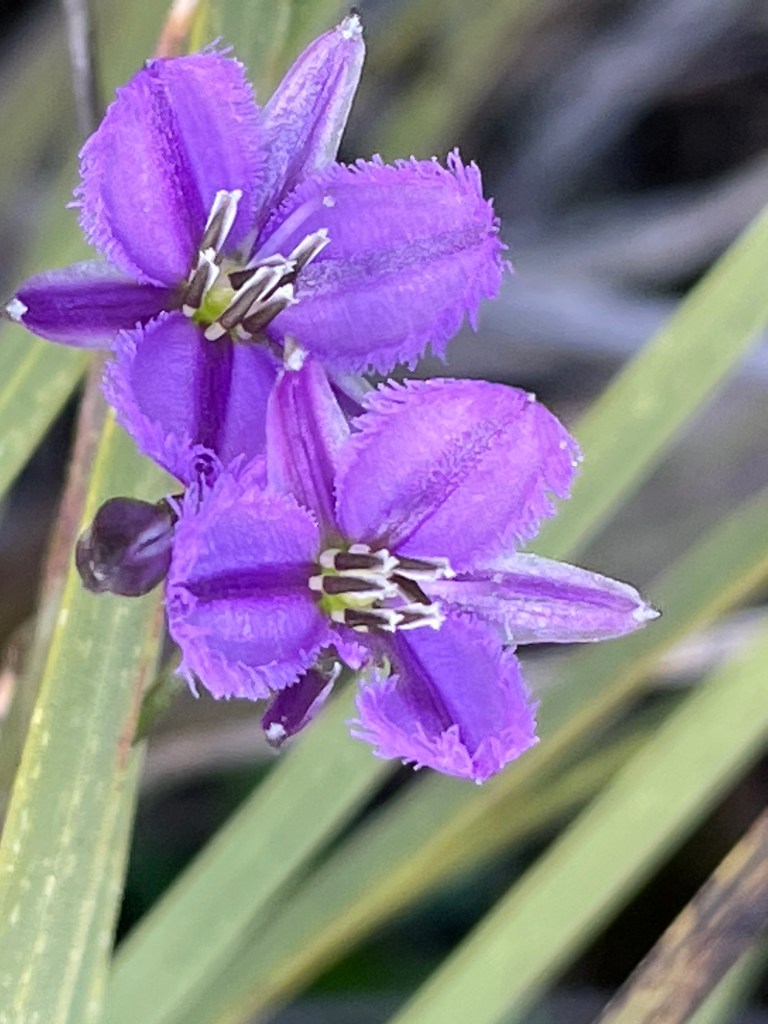
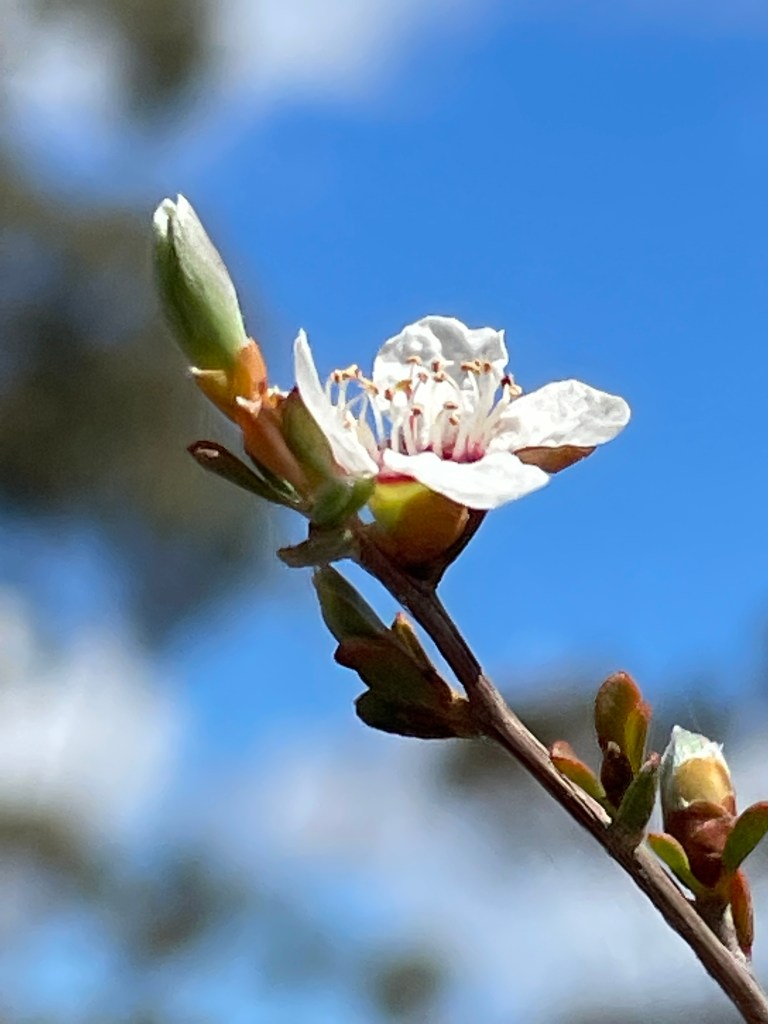
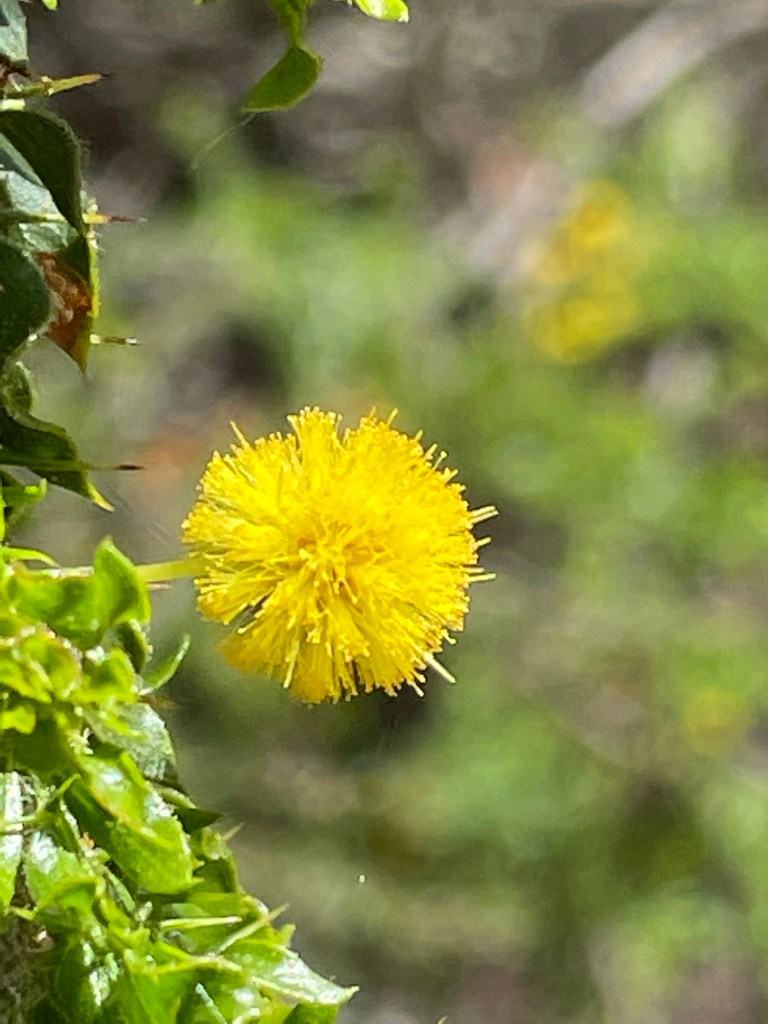
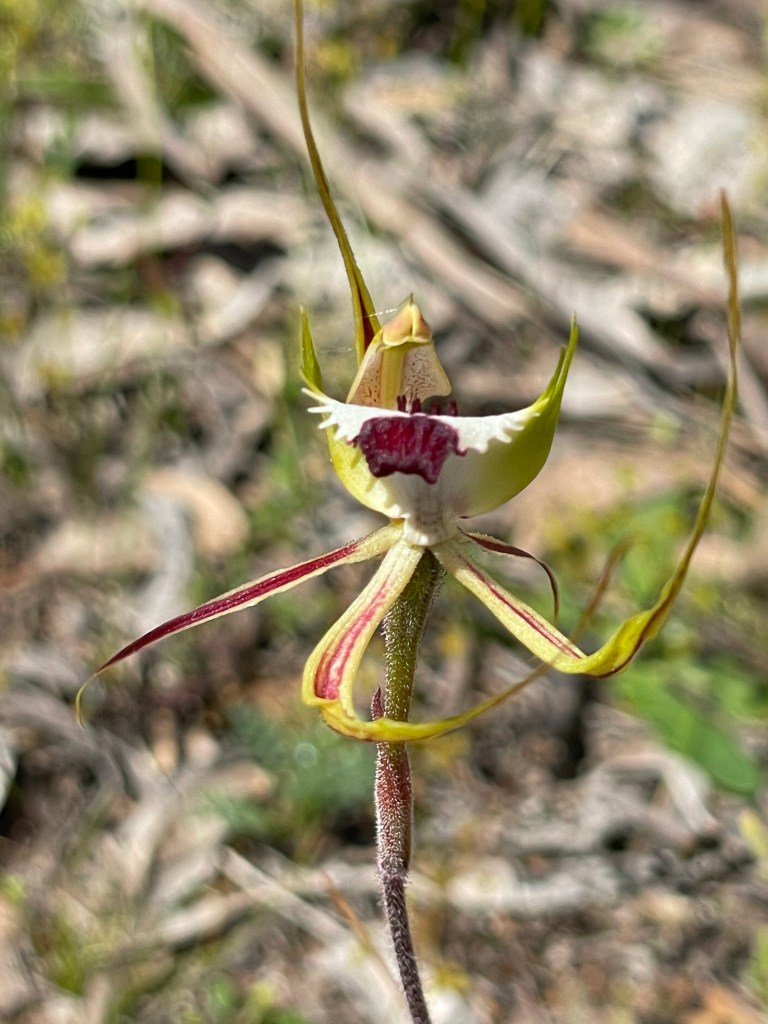
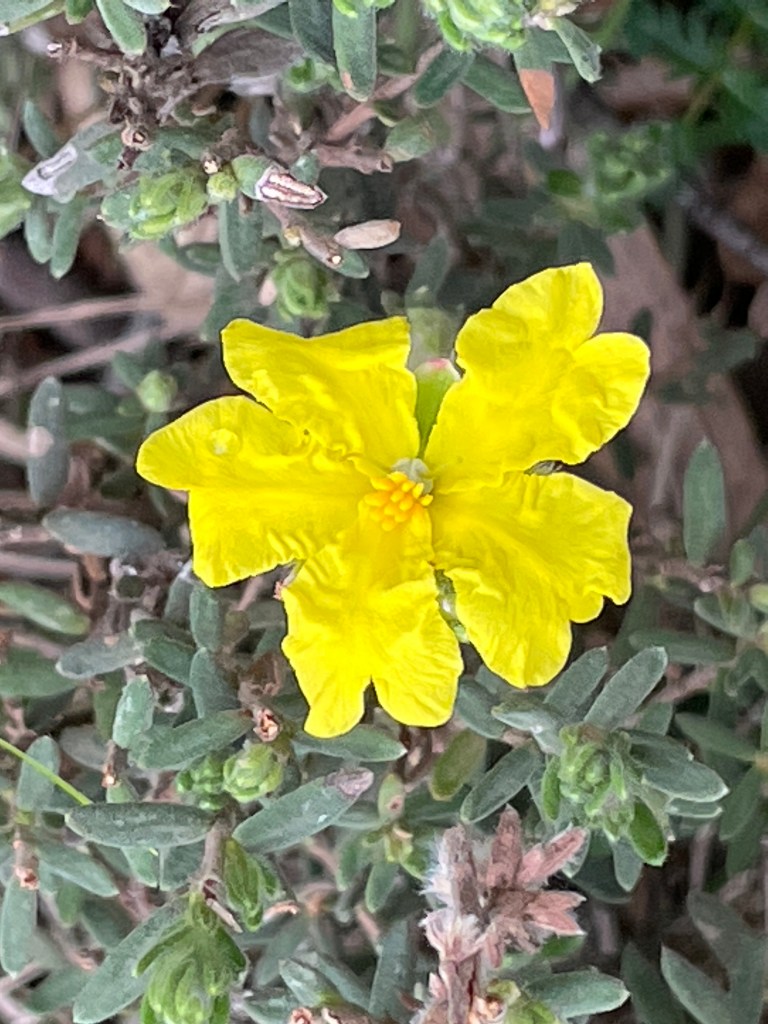
I see banksias, orchids, tea tree, grevilleas, billy buttons, chocolate lilies, sun dew and, I am guessing, possibly the famous Dergholm Guinea Flower which had a five-year recovery plan written for it back in 2006 to ‘minimise extinction’.

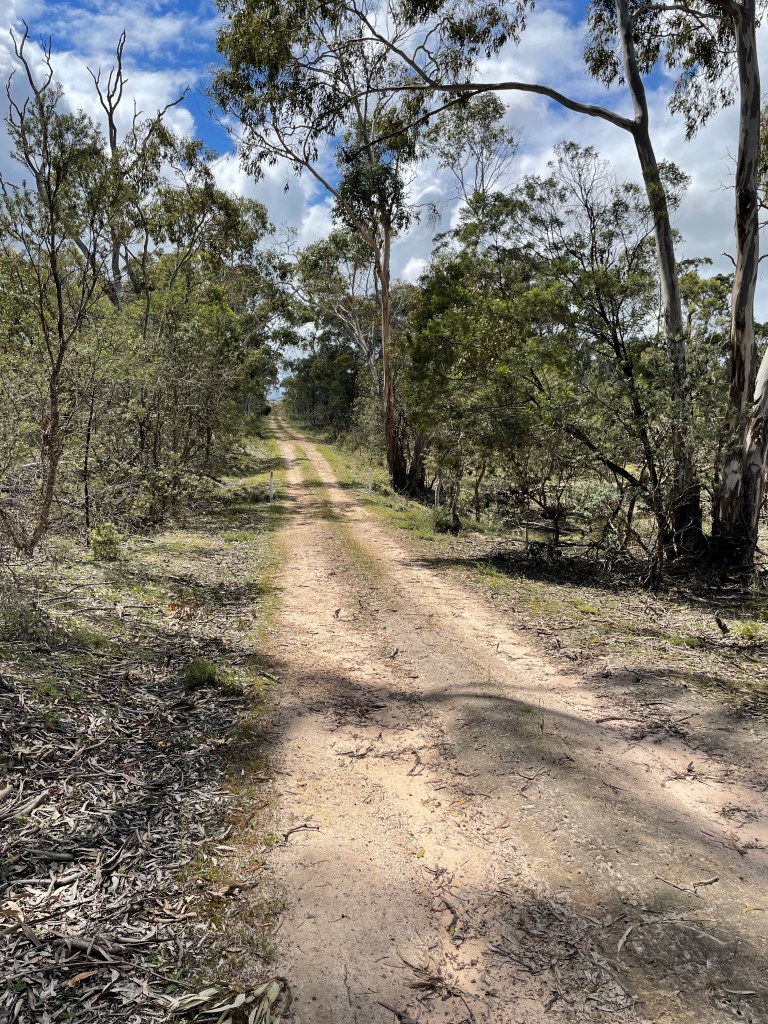
The walk is well marked with a good, easy path. About three quarters of the way you join a road and follow this back to the rocks and car park.
I am so glad Alistair Roper had both good ears and a strong resolve. These rocks are something to fight for and enjoy then, now and into the future.
 52 weeks 52 walks