What – Walk around a salt lake, in the Jacka Lake & Lakes To North Wildlife Reserve
Where – 40km west of Horsham just off the Wimmera Highway
How long – total walk was 3.47m (with a quick look across the road as well)
10 words – Mysteries and history, salt, paperbarks, centipedes, glassy plants, strange sticks
It is one of the most visible salt pans in the Wimmera
Perched on the edge of Wimmera Highway, nearly 40km west of Horsham Jacka Lake sits in the community of Tooan.
You see a sign from the Highway but the entry is a few 100 metres further on the left off Jacka Jacka Road.
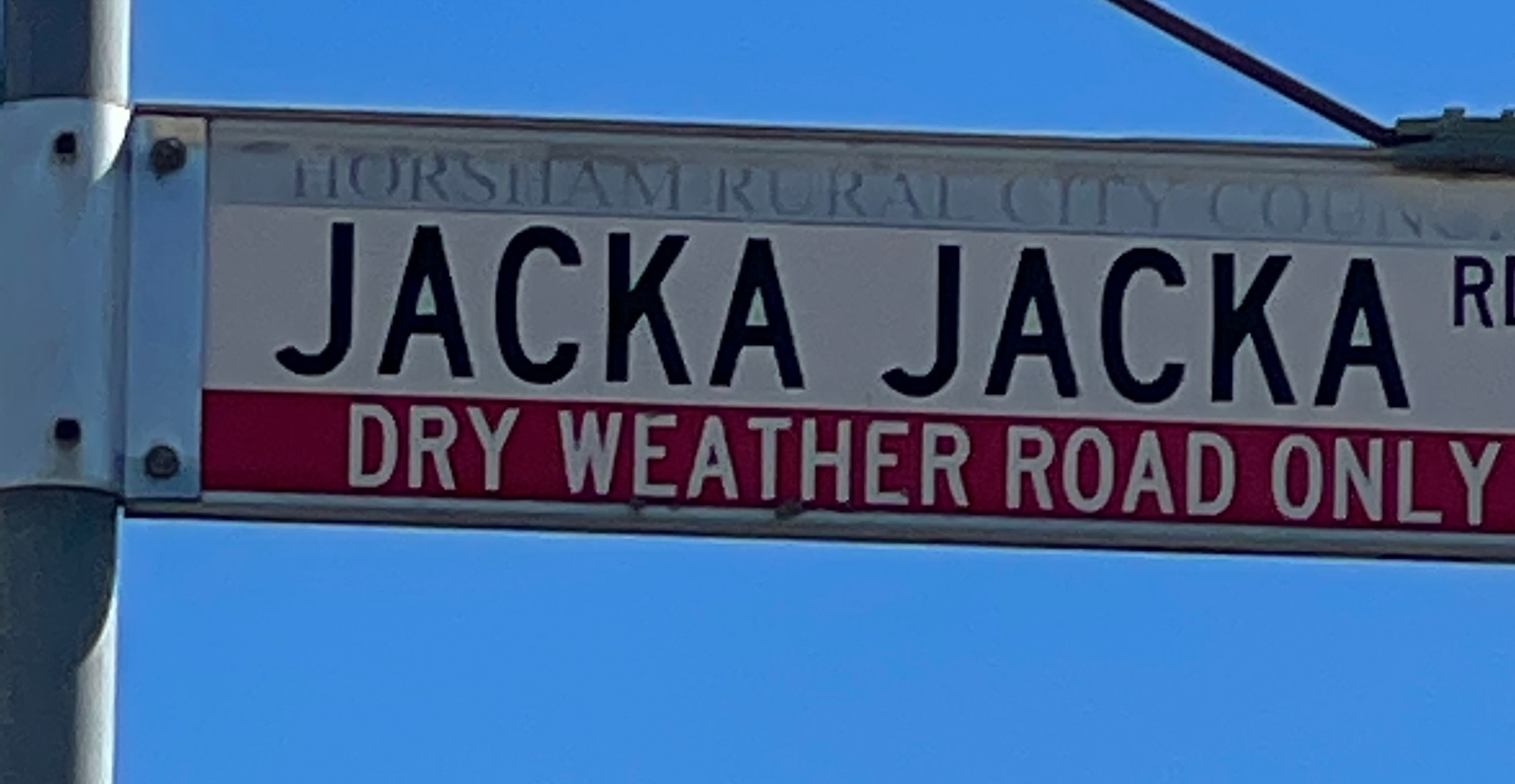
In winter Jacka Jacka Road turns into a mud bath, so veer right when you get off the highway and park on the old reserve.
Jacka’s origin is not clear although I did discover a hard-to-read newspaper reference from October 1952 which mentioned the old Jacka Jacka station at Tooan, bought by Fred Rodgers in the late 1800s. As far as I could decipher the property was first called Jackie Jackie, in honour of an Aboriginal man known as Jackie, who had saved an overseer’s life in the early days of white settlement.
There is also reference in Keith Lockwood’s Arapiles book to the Jacka Jacka Forest where a local fugitive, wanted for the shooting death of his neighbour in the 1920s, hid from police before surrendering peacefully. He was apparently a World War One veteran suffering mental health issues.
I can’t find much about the lake history but Keith Lockwood’s Arapiles book does talk about Wileman’s saltworks being at Tooan, on Salt Pan Lake around 1900. It is not clear where that was.
Salt pan would have been one of the many saline wetlands in the Douglas Depression which runs from east of Harrow to the Little Desert edge.
A group of these lakes running north-south, on Mt Arapiles – Dyurrite’s western flank, form the unoriginally named Jacka Lake & Lakes To North Wildlife Reserve.
The pick of the reserve’s lakes sits on the opposite side of the highway to Jacka and fills in winter to provide some magnificent cool season sunsets.
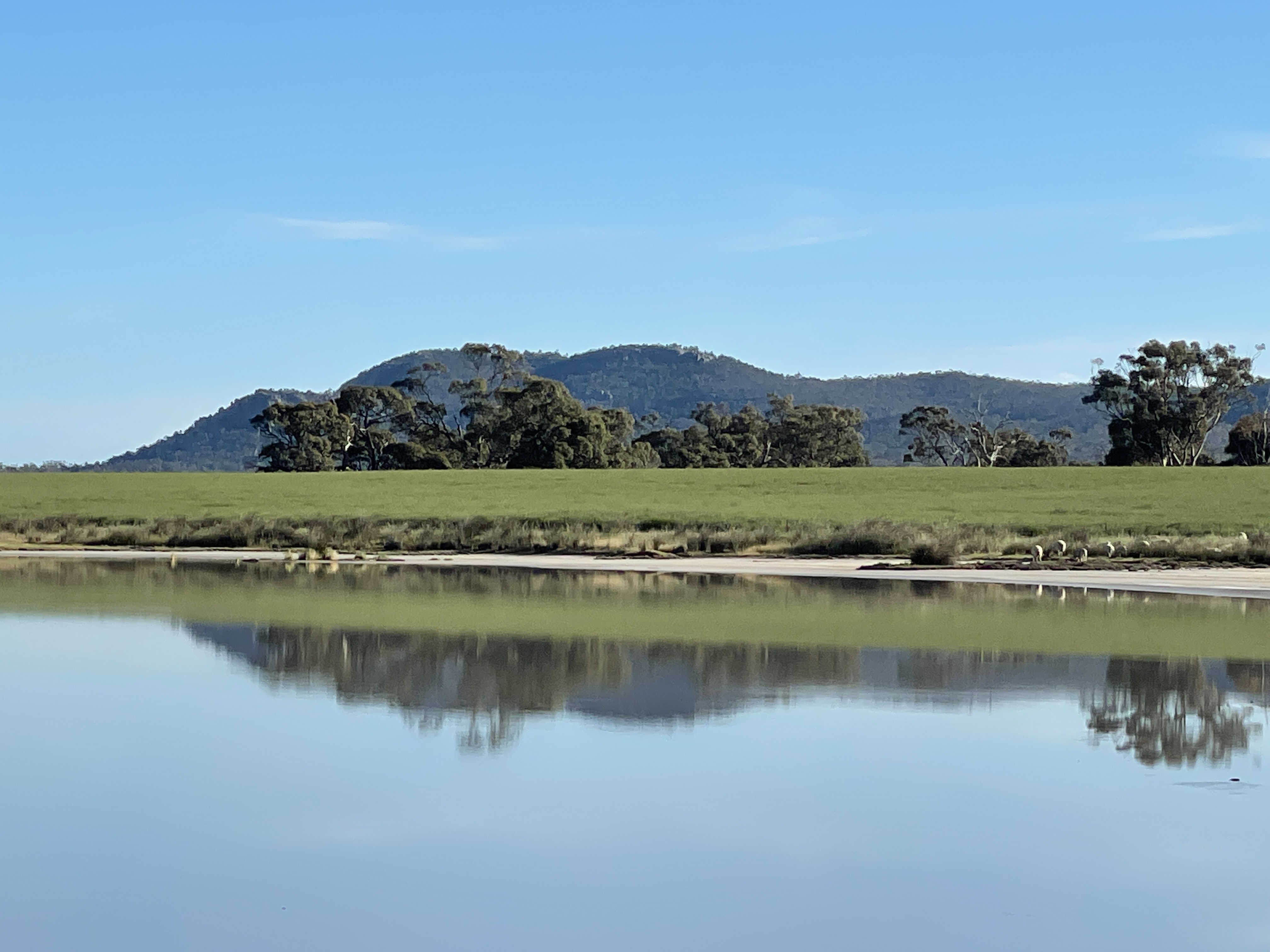
Dyurrite -Mt Araplies provides a brilliant backdrop to this one, which is home to quite a few birds who decorate the drying lake bed with their footprint trails.
Today, it is almost dry and we are here to visit Jacka, so lets start at the western end and head south.
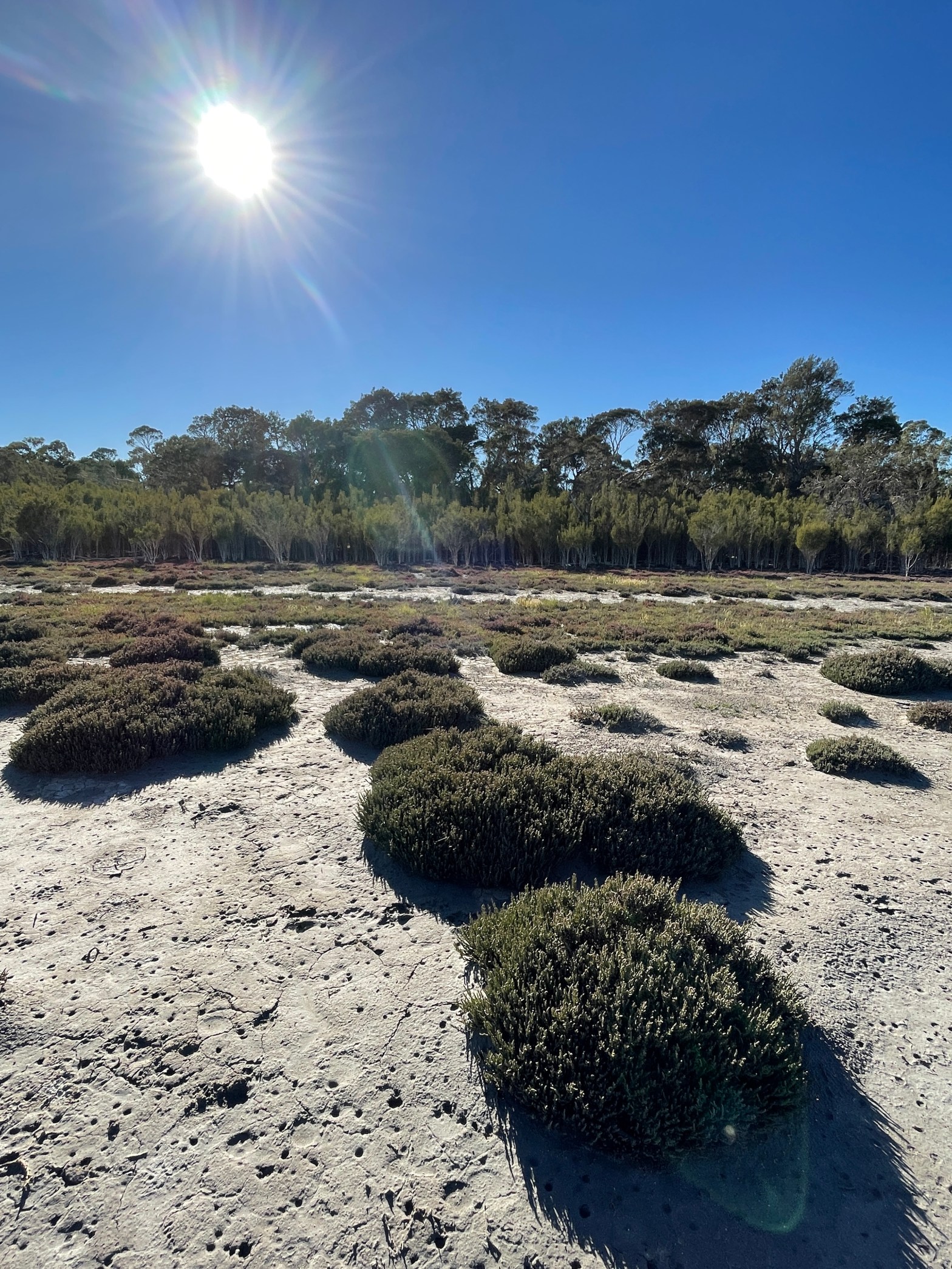
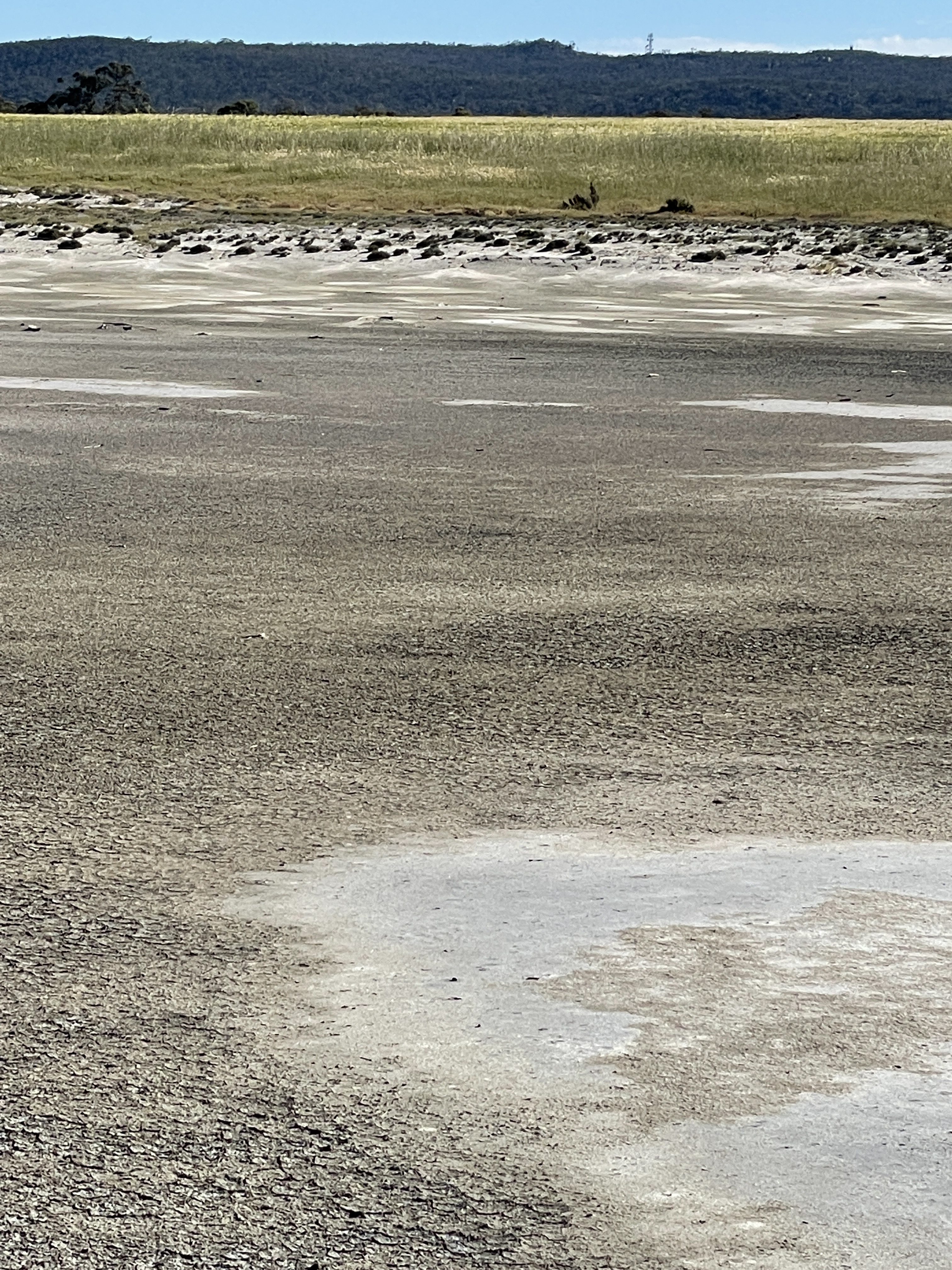
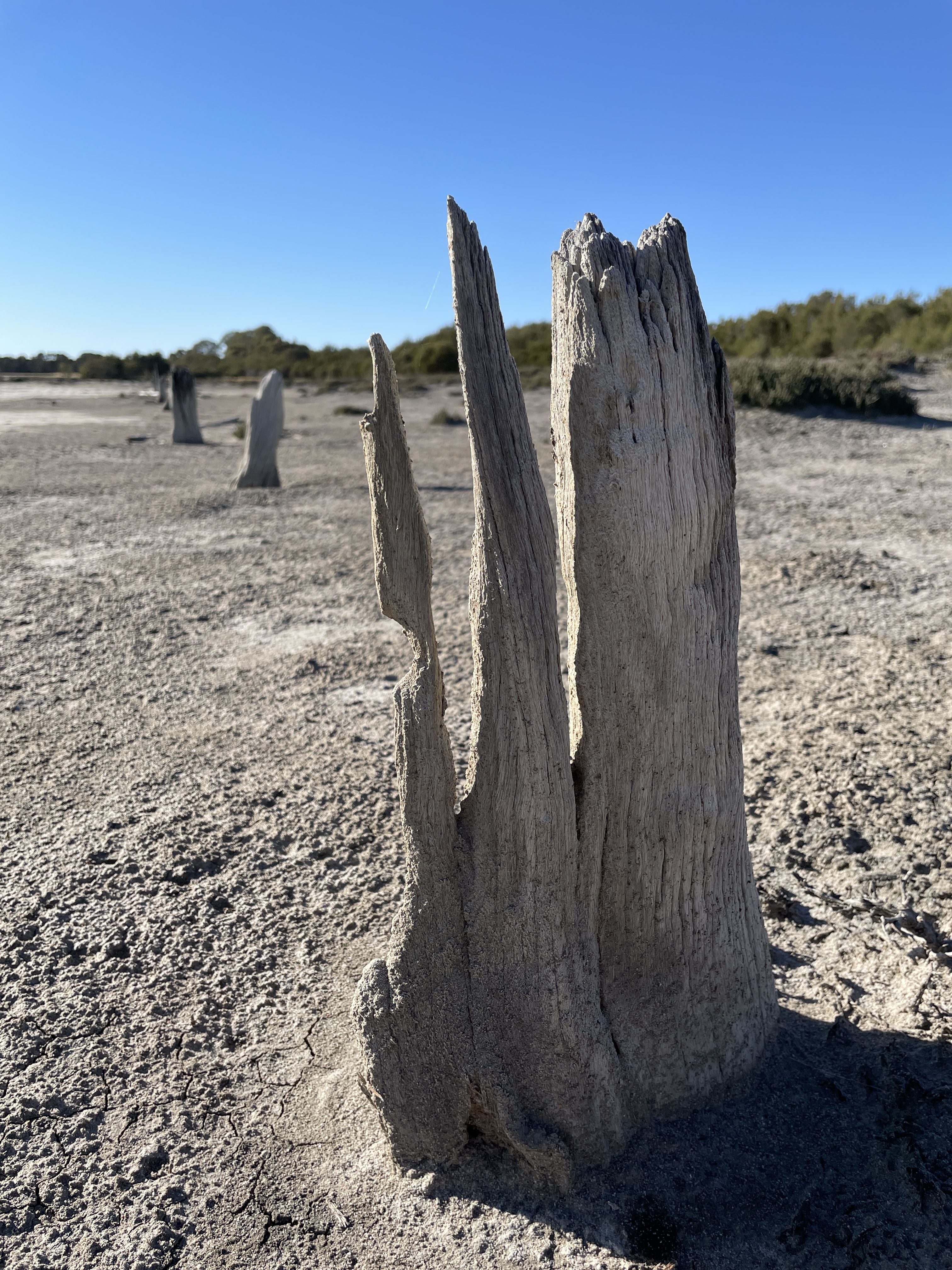
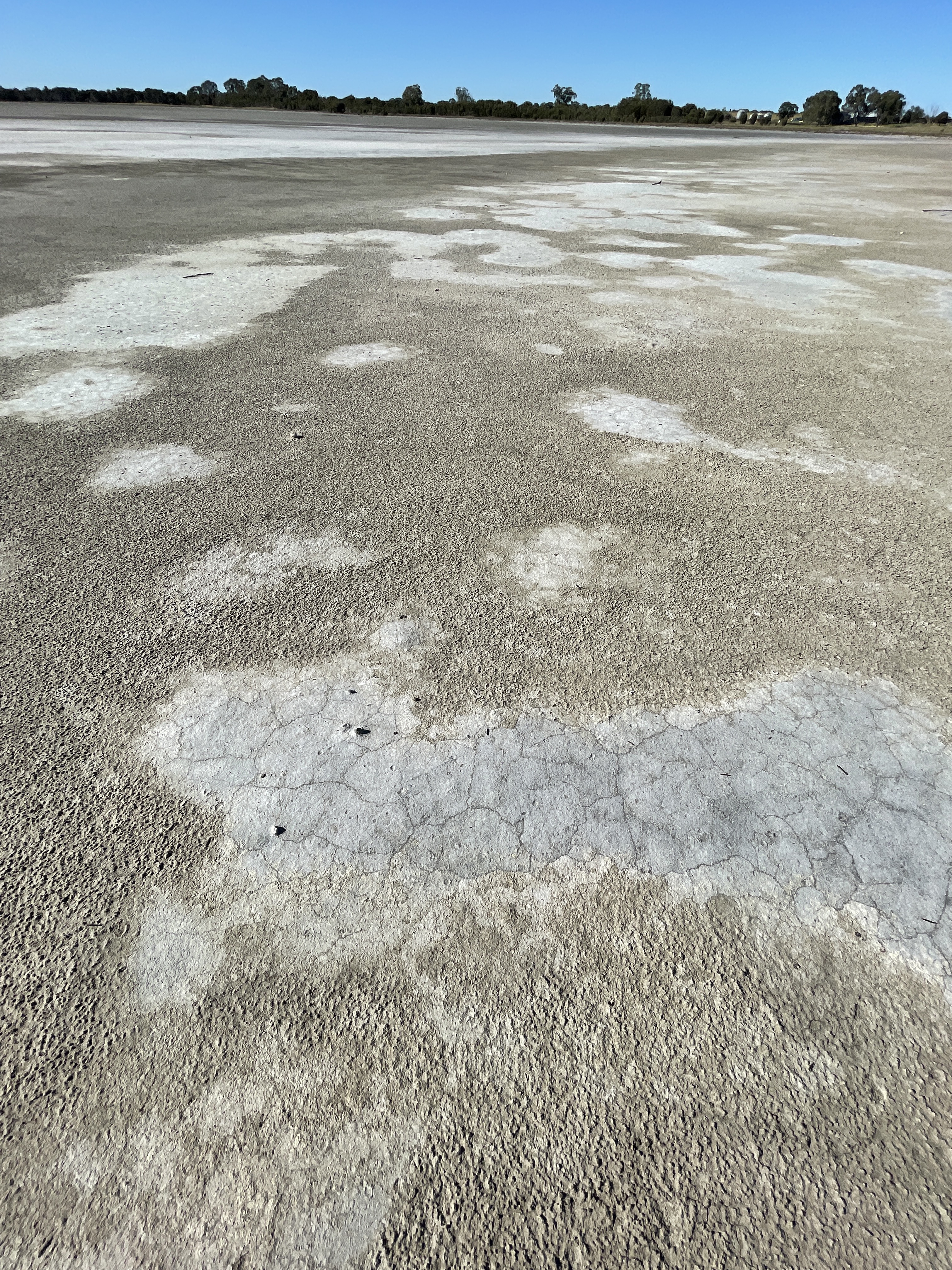
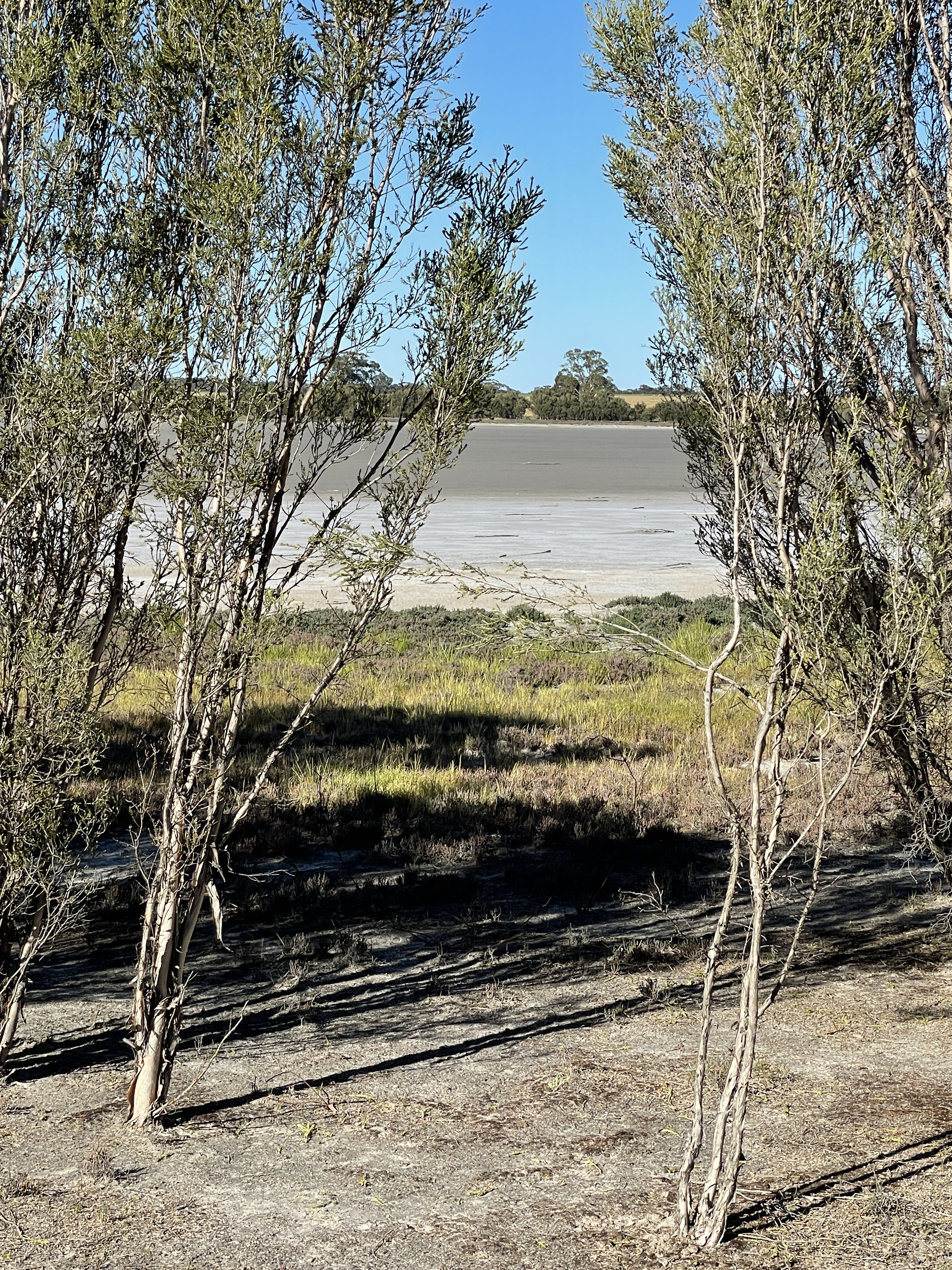
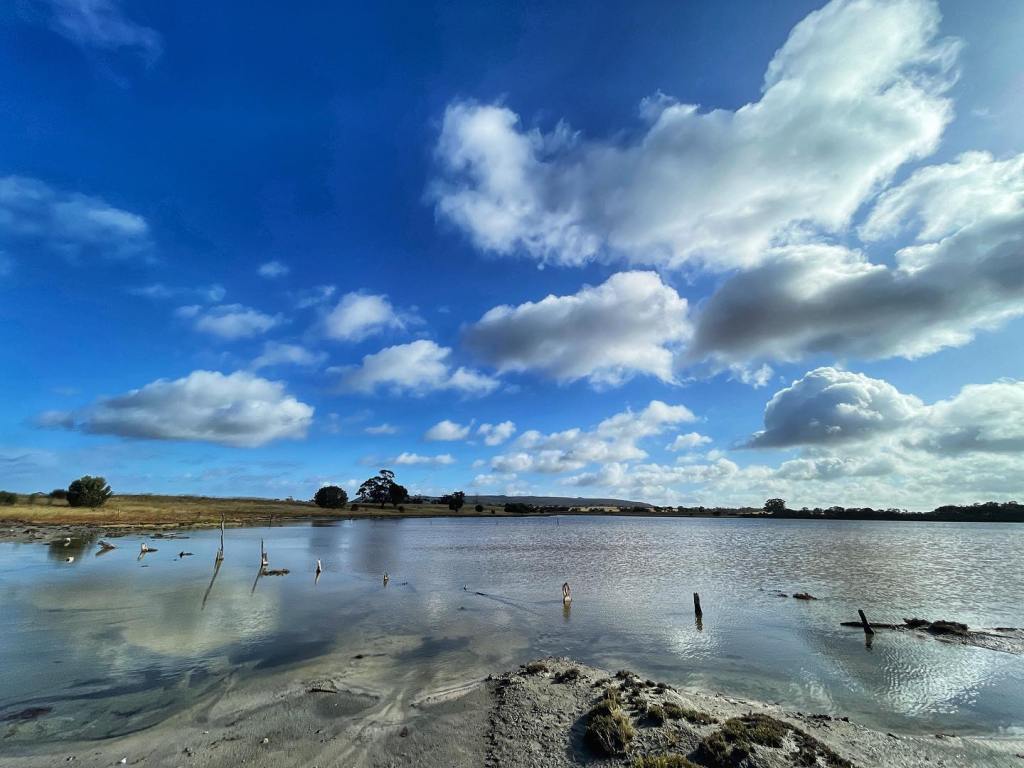
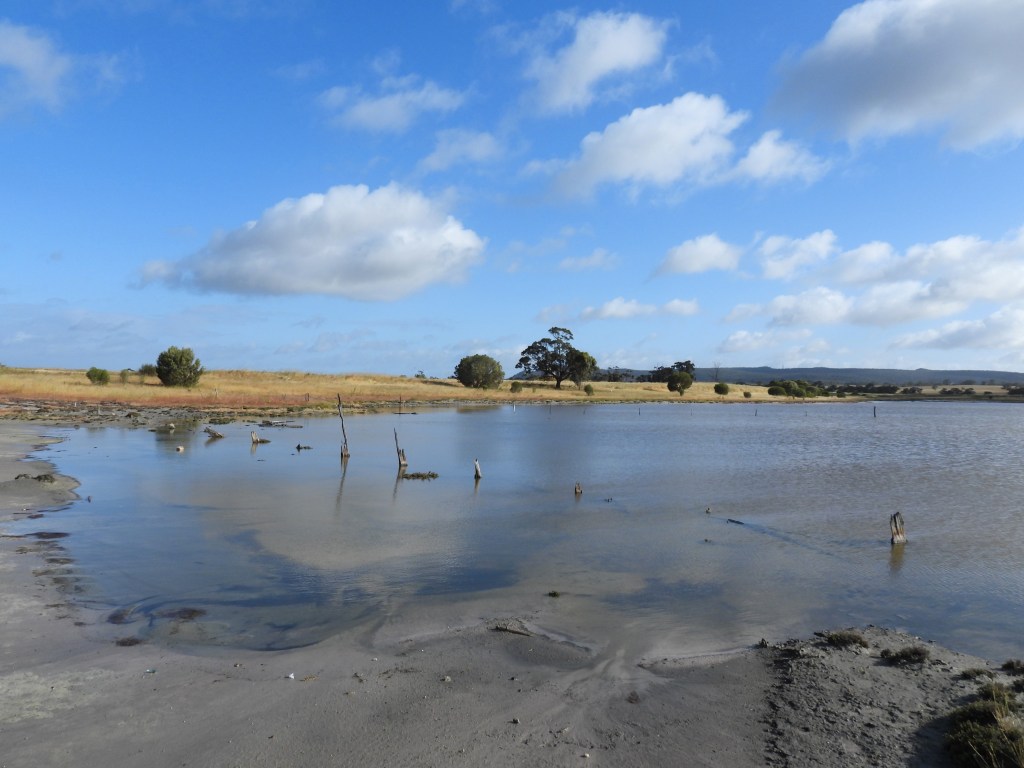
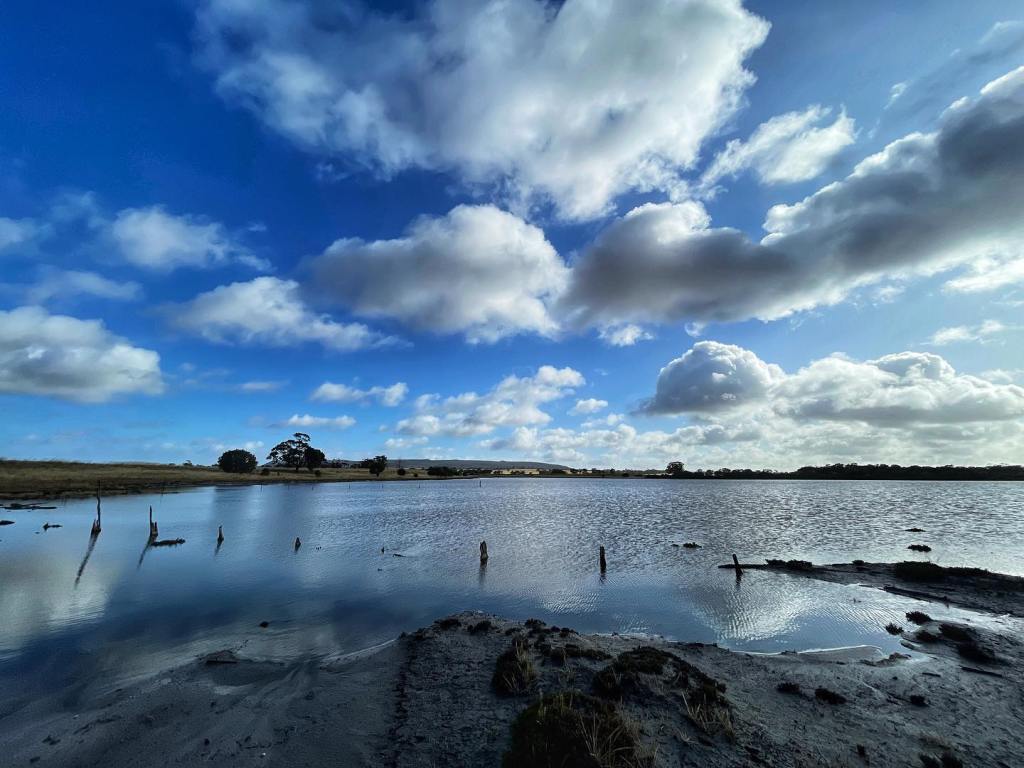
Jacka is a classic Wimmera salt lake. Decaying, naked fence posts disappear into the distance. Scraggly, muddy glasswort plants dot the shore and a scraping of salt covers the clay bed .
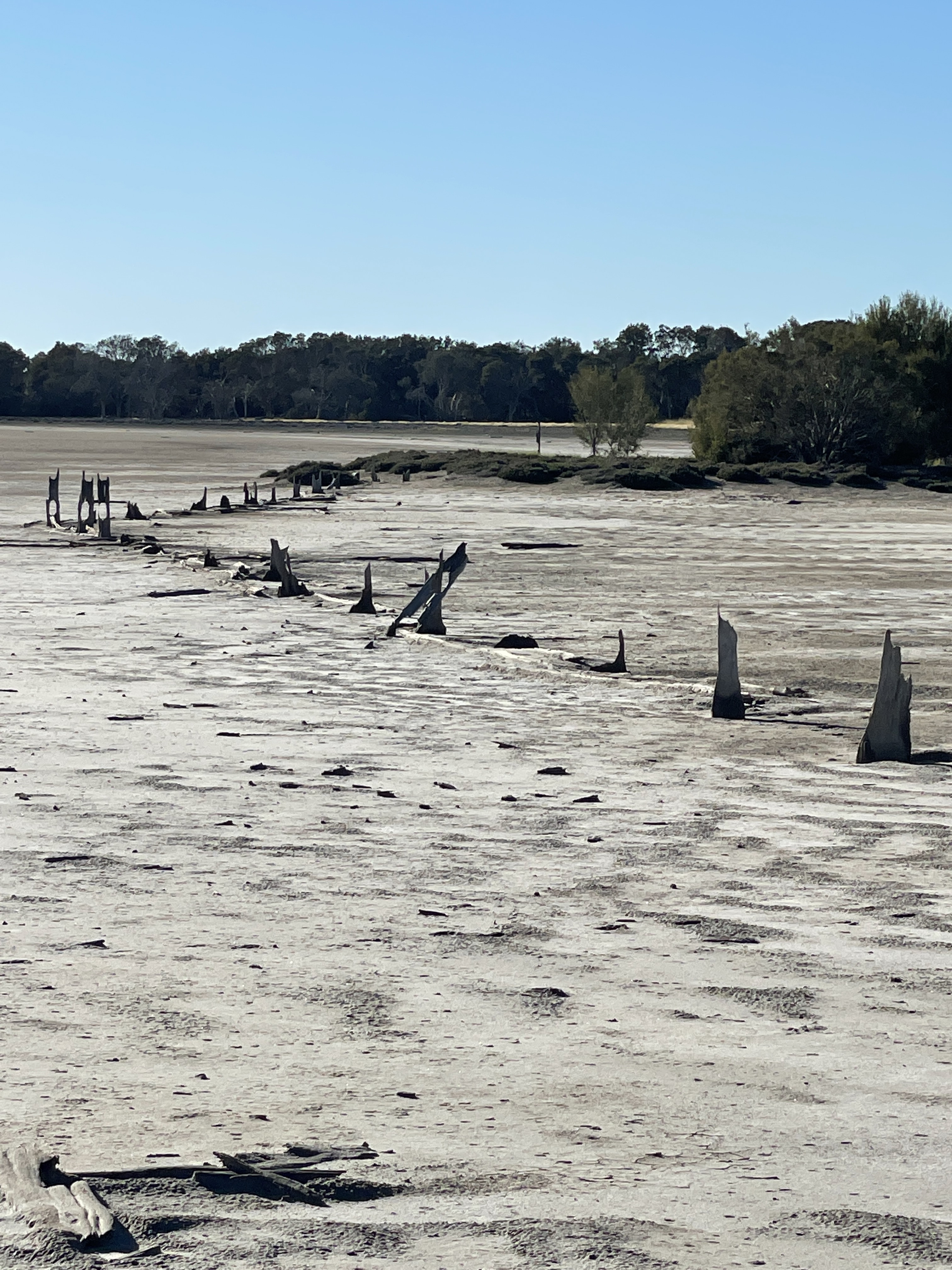
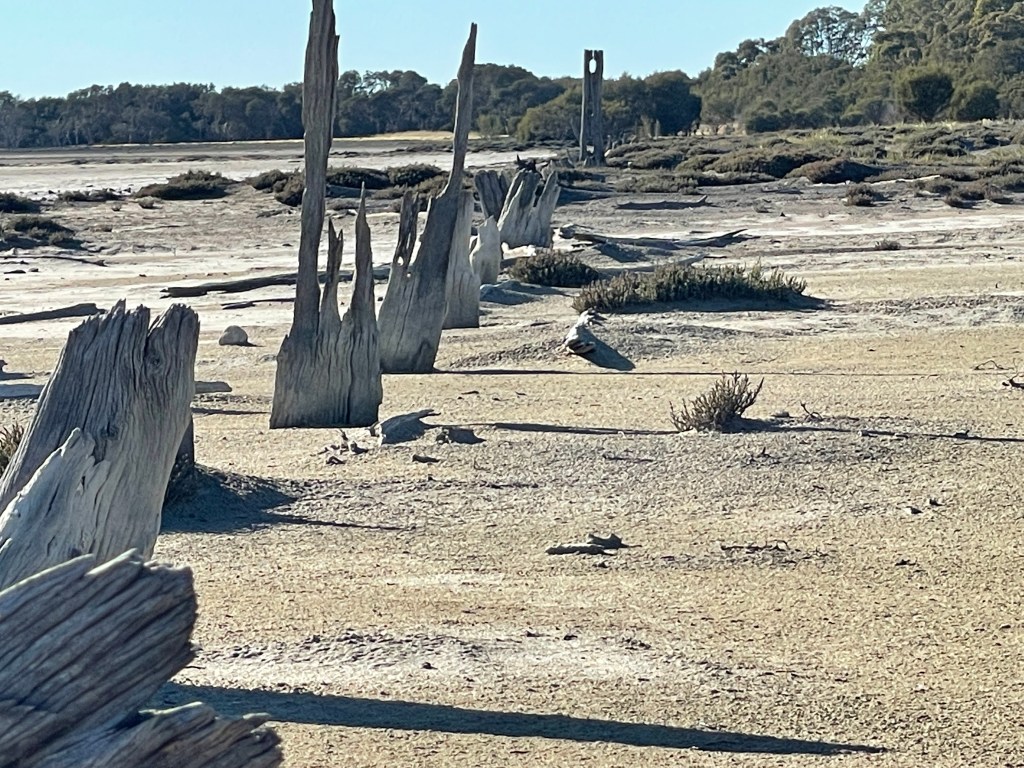
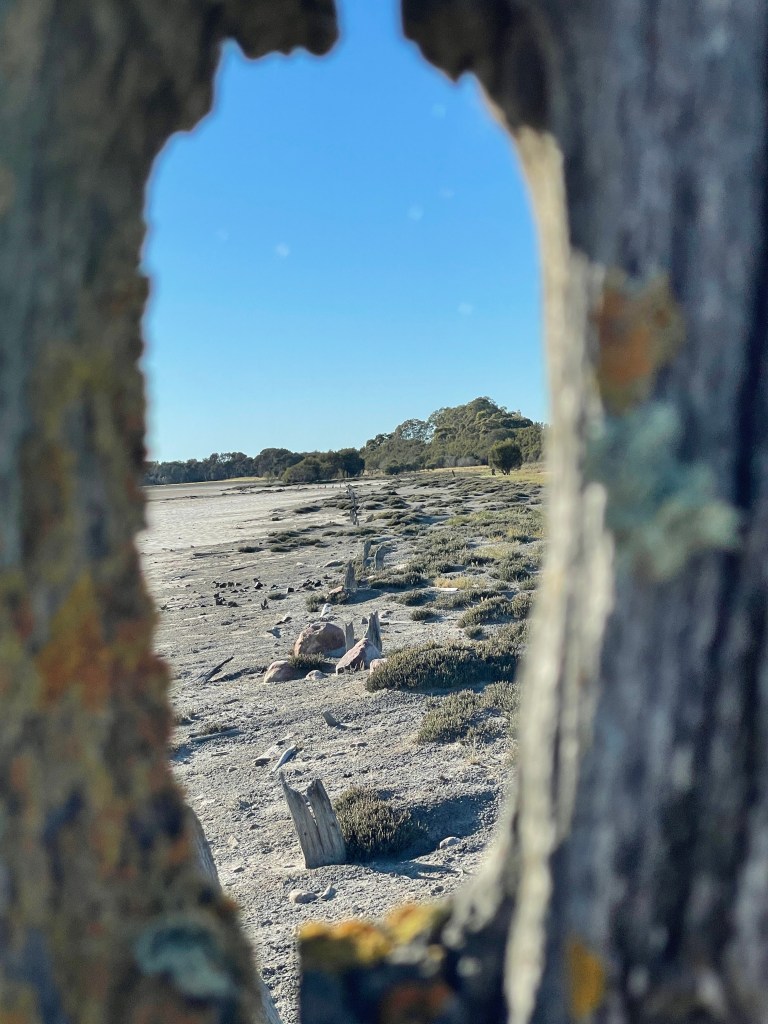

Jacka is smaller and less isolated than other salt lakes Wyn and Oliver. There are scatters of broken crockery and glass and a rusty roll of wire.
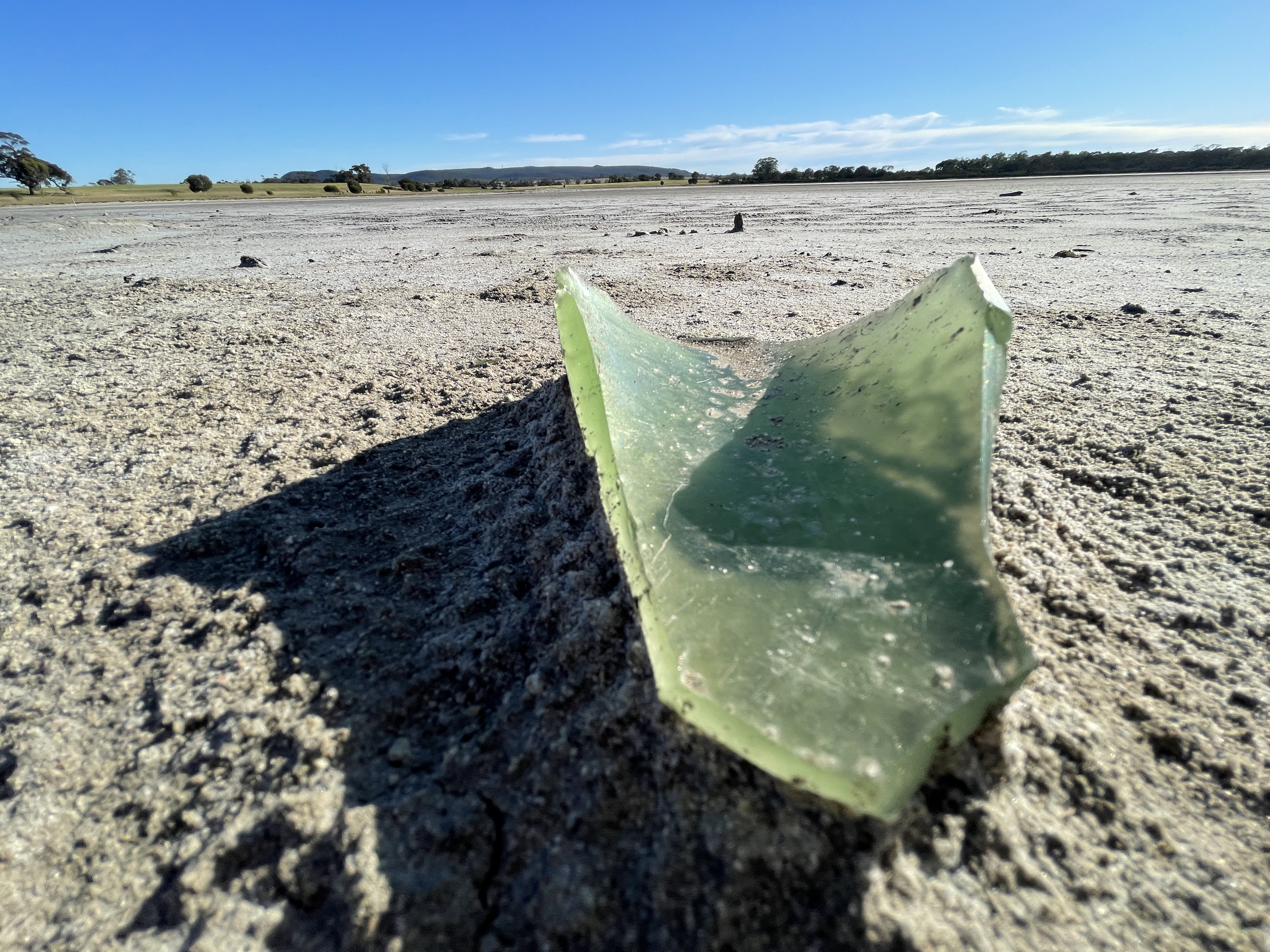

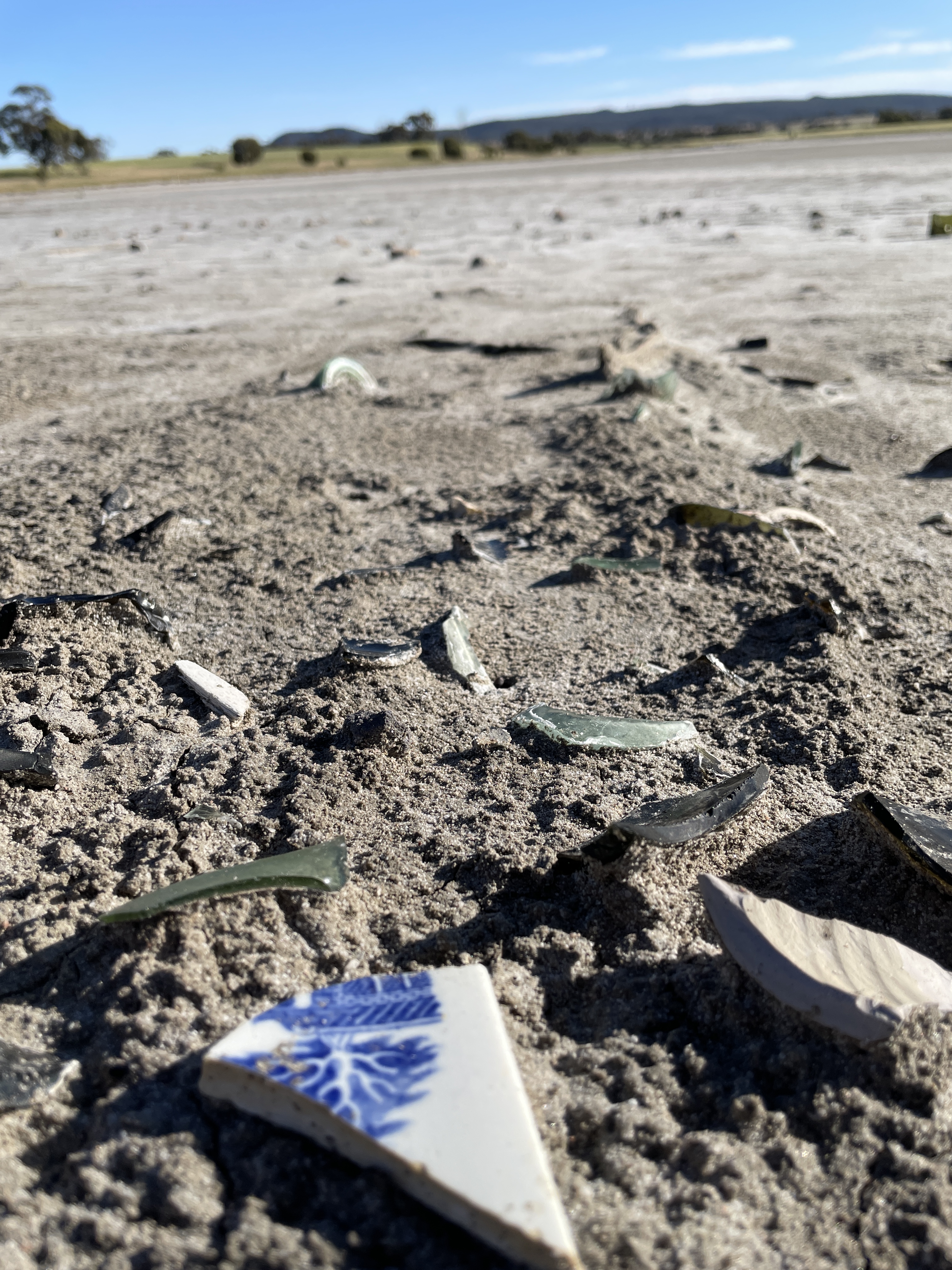
He might have had water here a few months ago, but this is Melbourne Cup weekend and things have dried out – with big cracks starting to show.
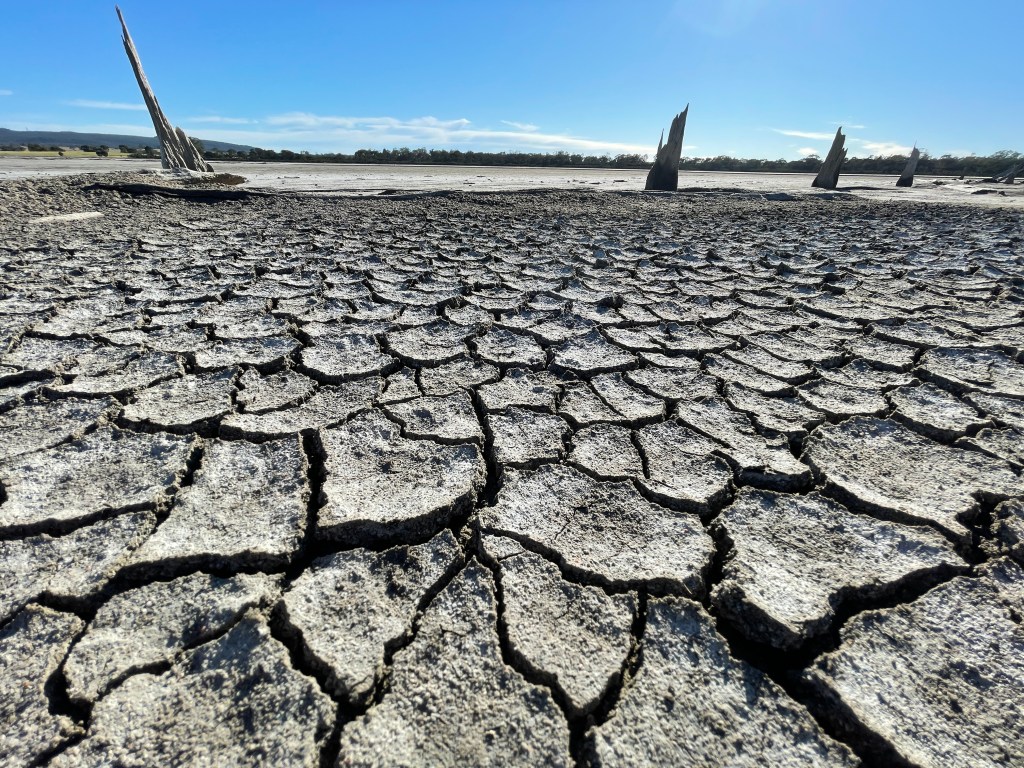
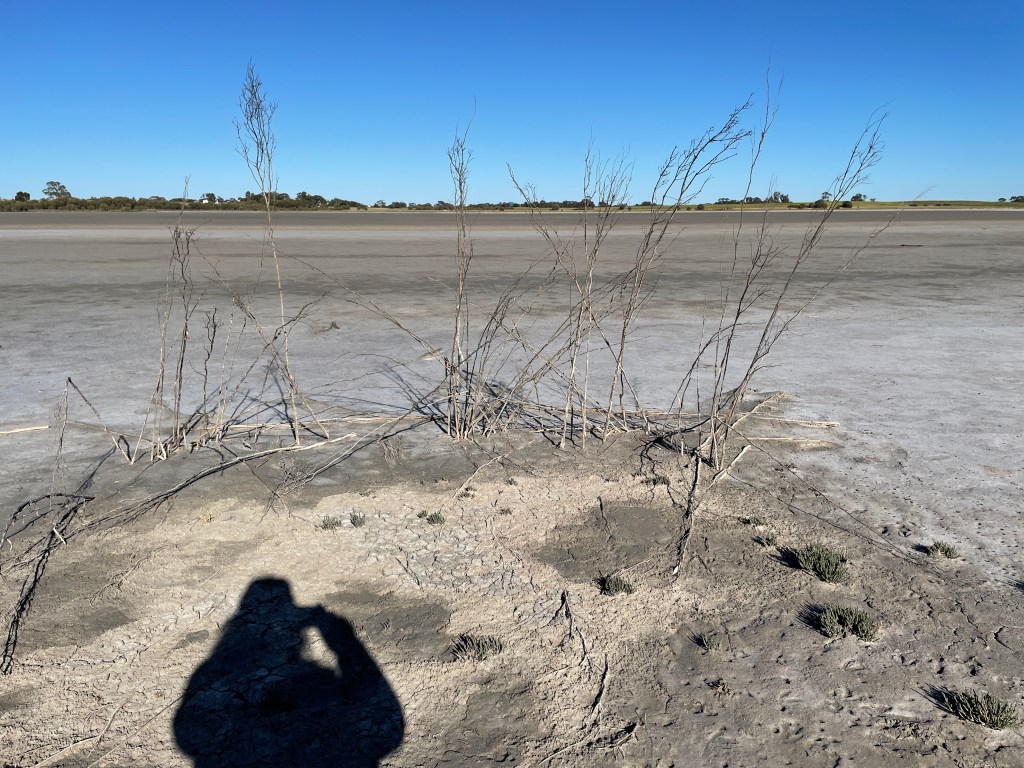
Kangas and vehicles have left their tracks and stands of mysterious dry twigs appear at the edge every few 100 metres. Is it art, does it mark a spot or could I be walking past buried treasure? Who knows.
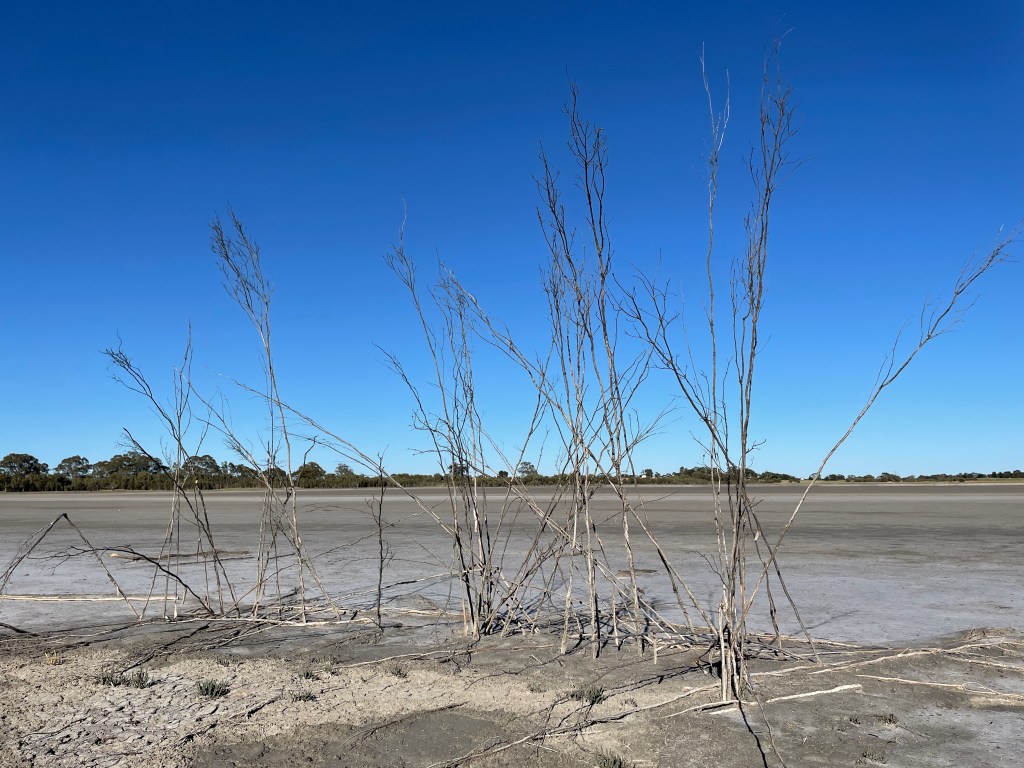
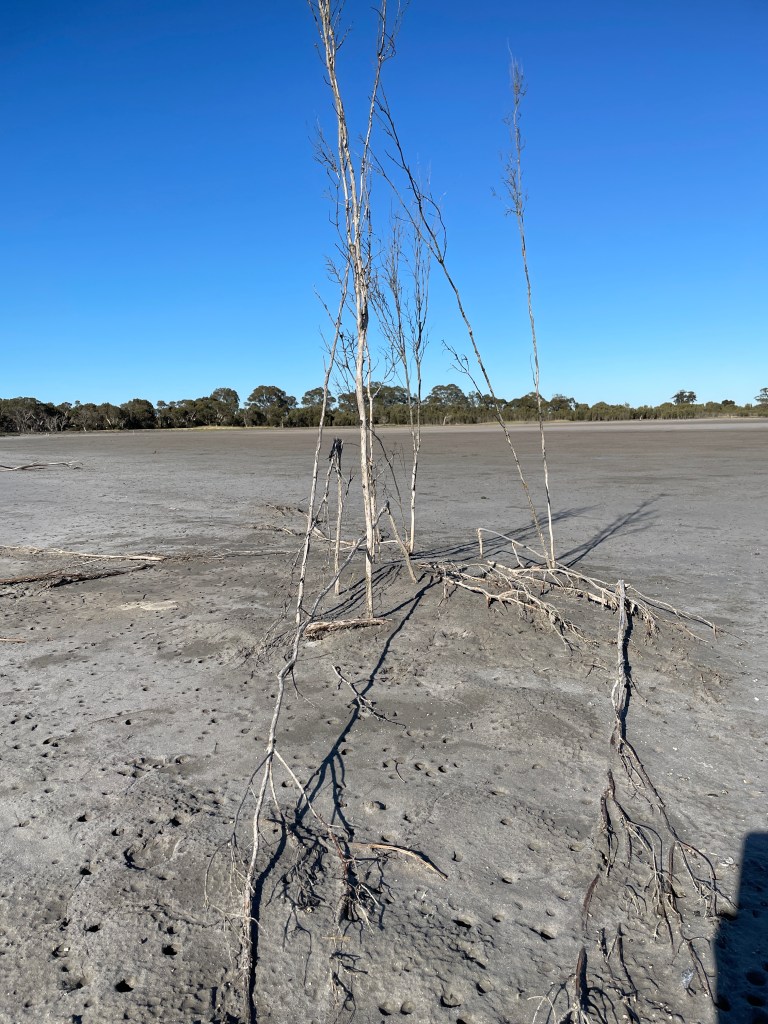
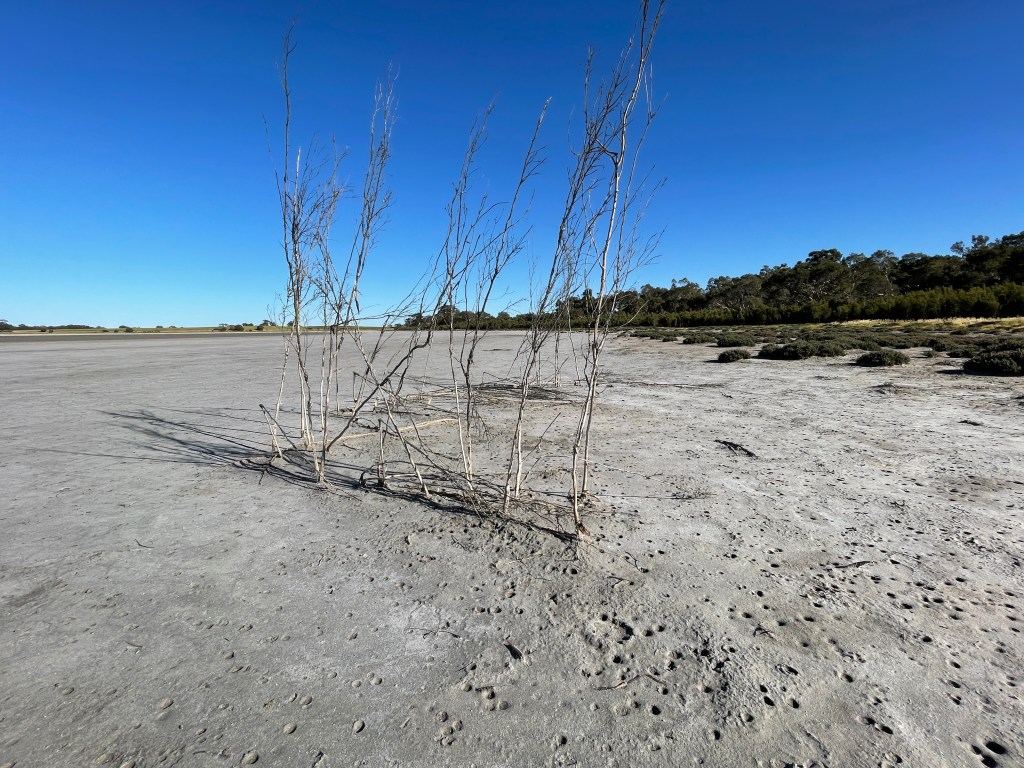
Jacka has more lakeside vegetation than Oliver and Wyn Wyn and Mitre (which we will visit in a few weeks).
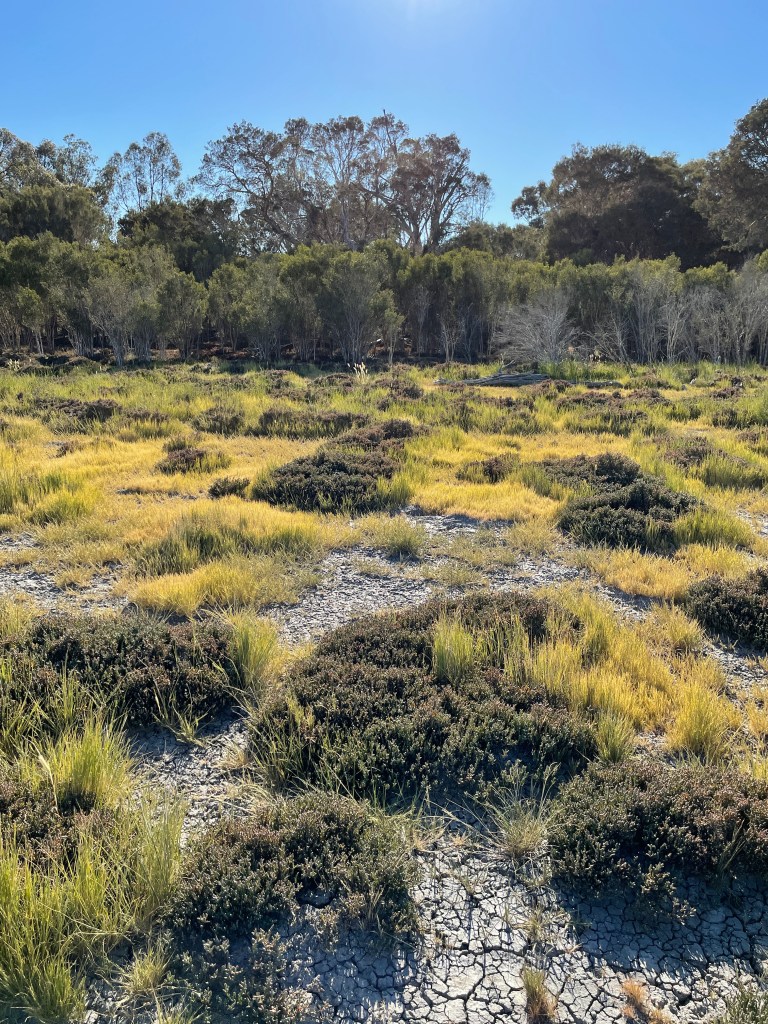
The glasswort grows in clumps along the southern and eastern bank, with a golden grass that just loves the morning sun.
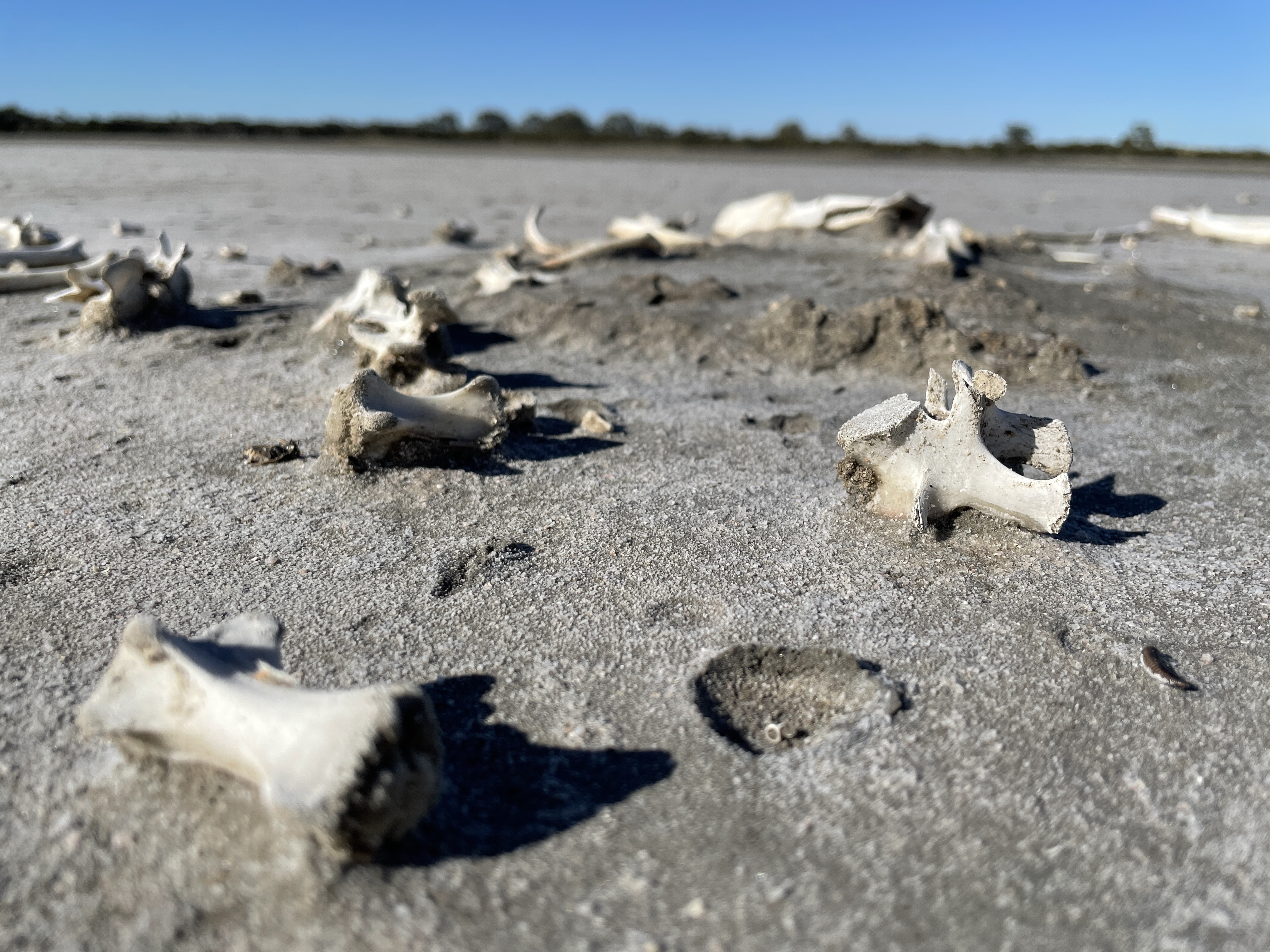
At one point I see a half buried gun cartridge lying not far from what looks like the remains of a kangaroo carcase.

There are no live kangaroos to be seen but 1000s of centipede legs are on the move….everywhere.
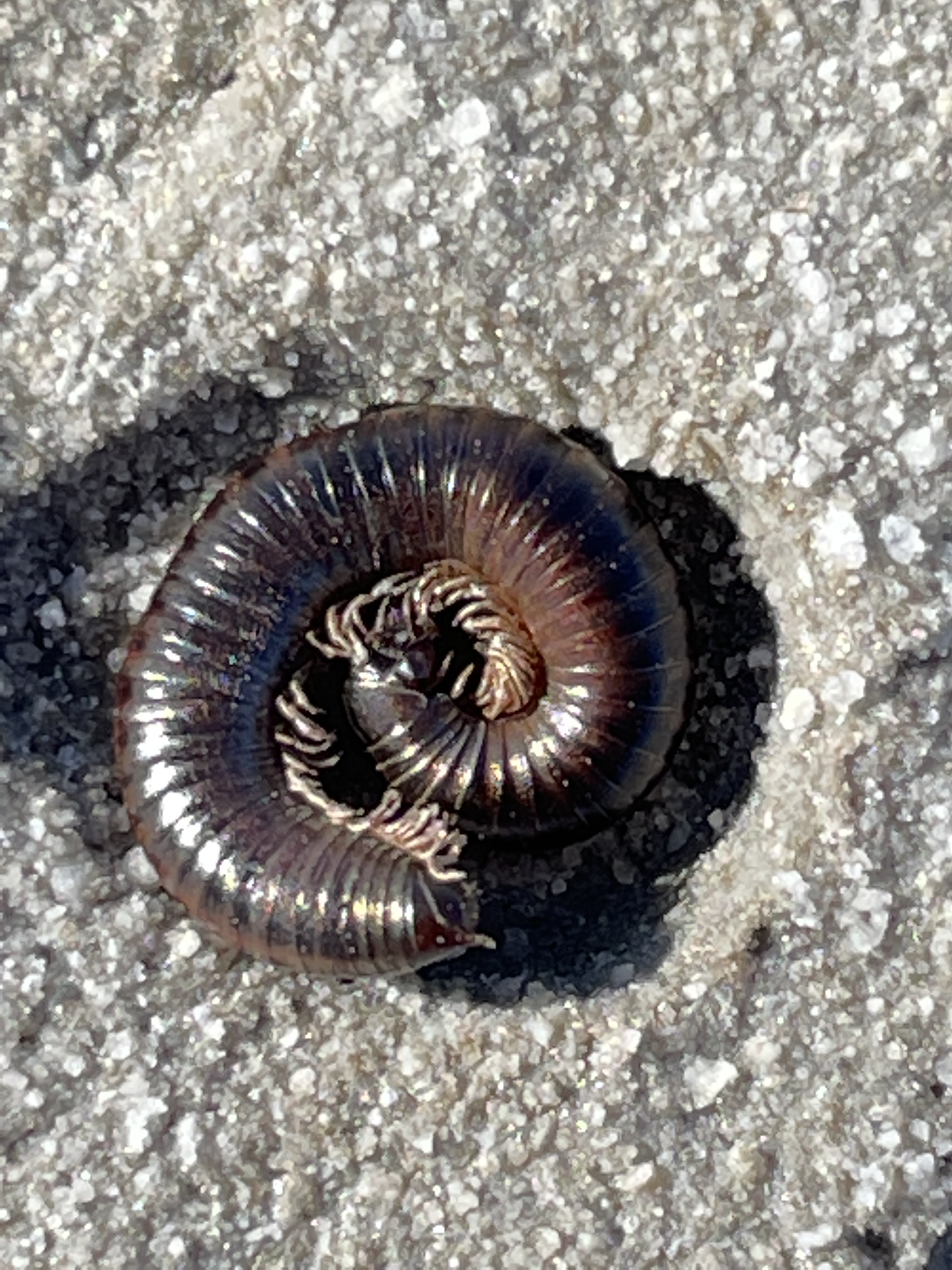
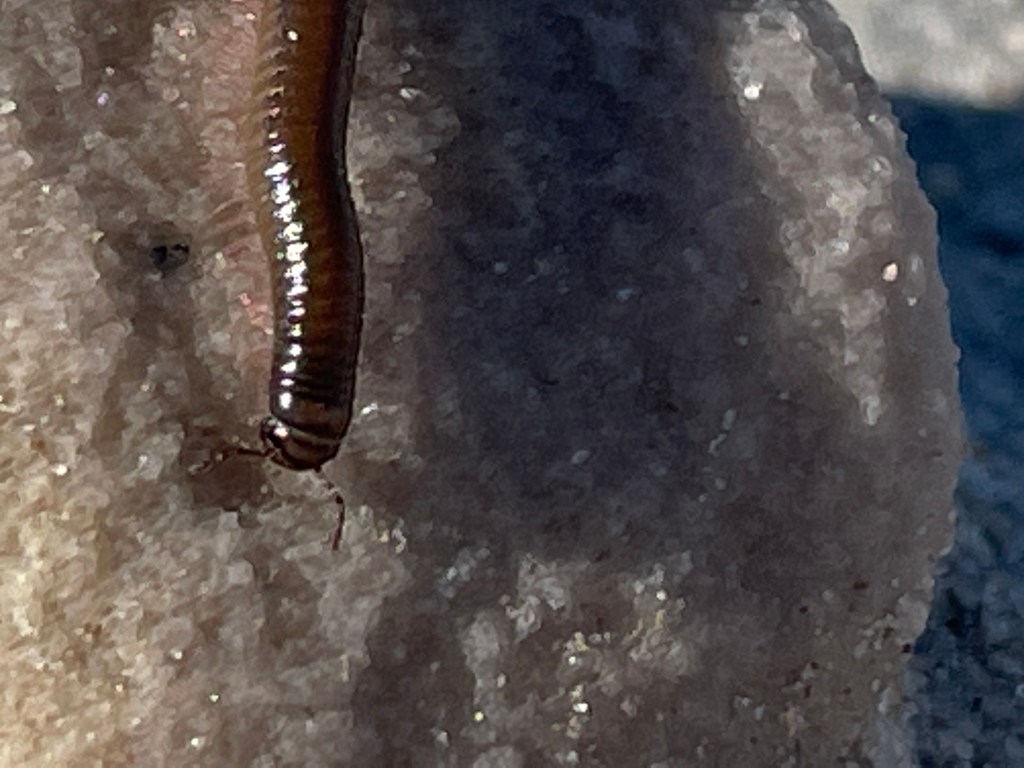
They climb over small stones, their deep ruddy coats catching the sun before vanishing down holes dotted across the lake.
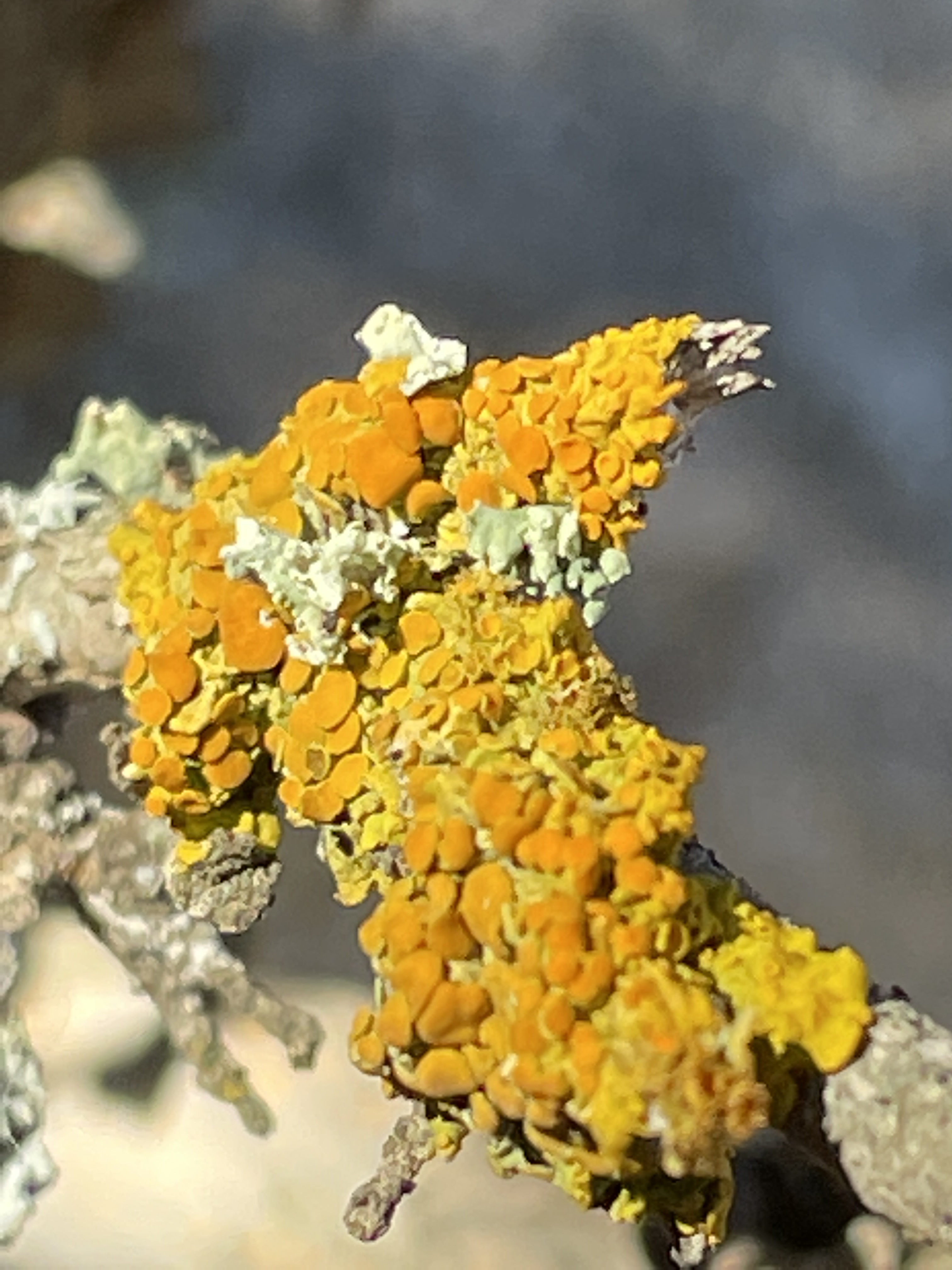
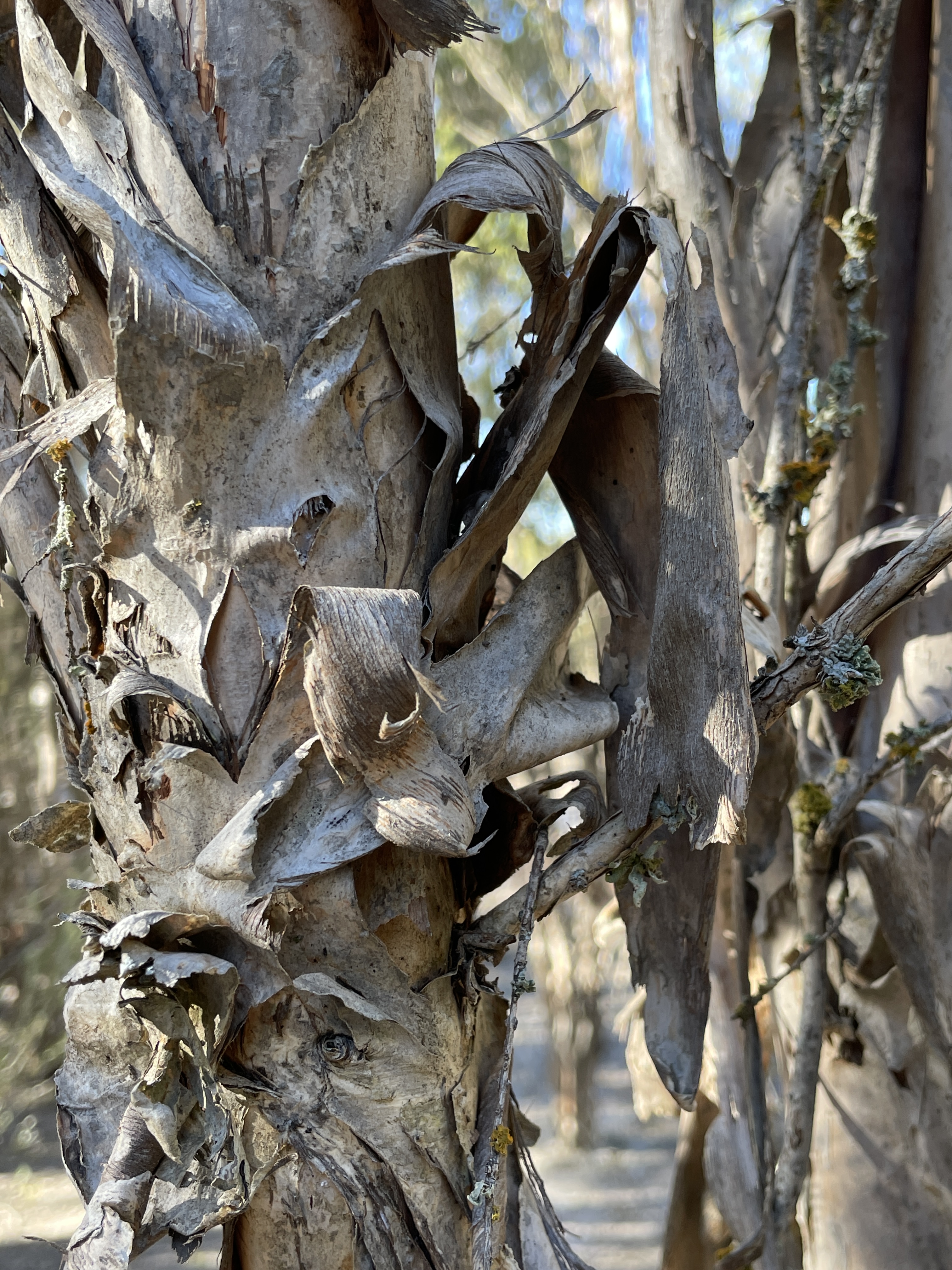
I head into the paperbarks to find a little forest alive with mustard coloured lichen, layers of bark and magical views to Mt Arapiles – Dyurrite. Was this where that confused ex-soldier sought refuge all those years ago?
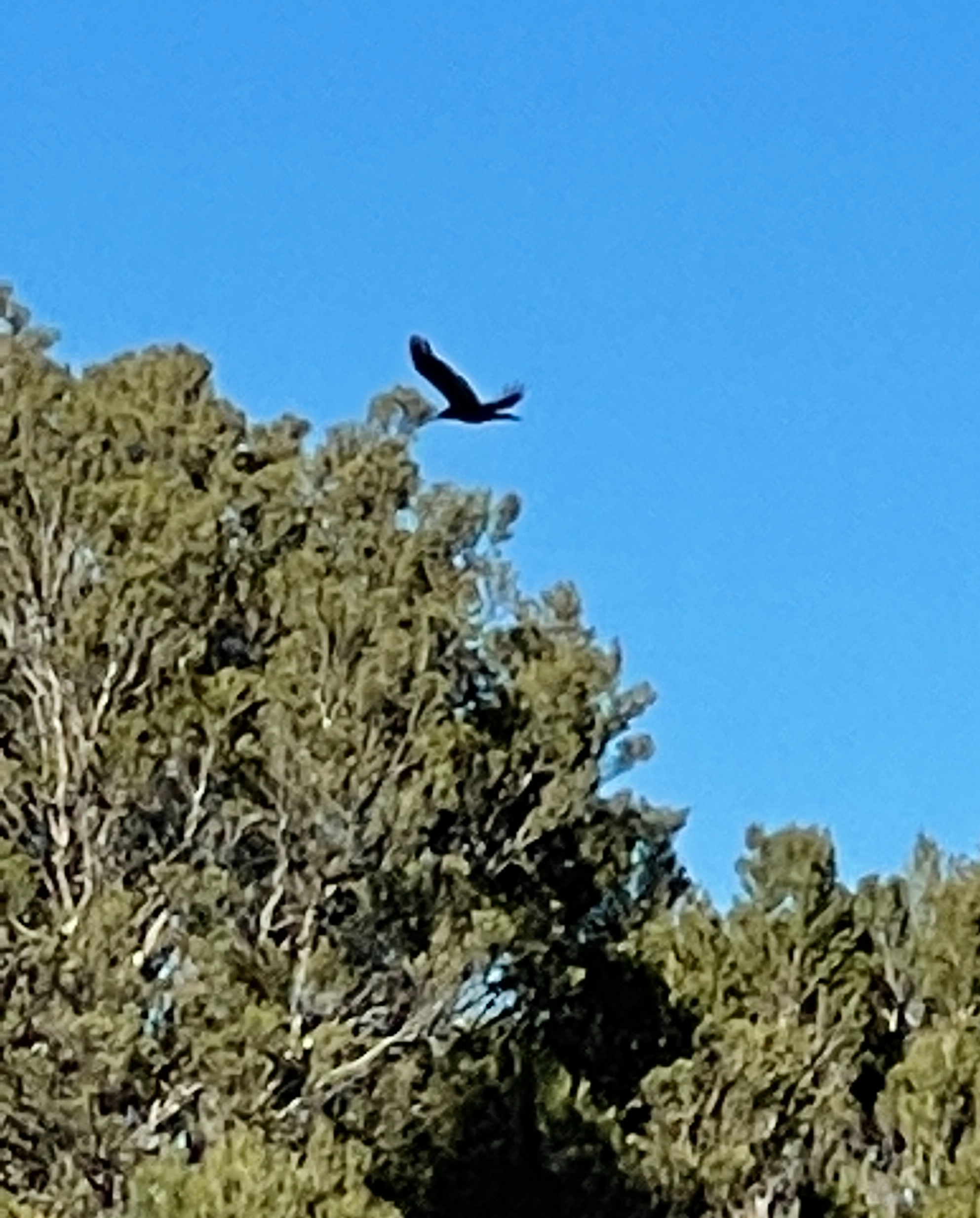
My thoughts are interrupted by a gentle call from above as two yellow-tailed black cockatoos wing overhead.
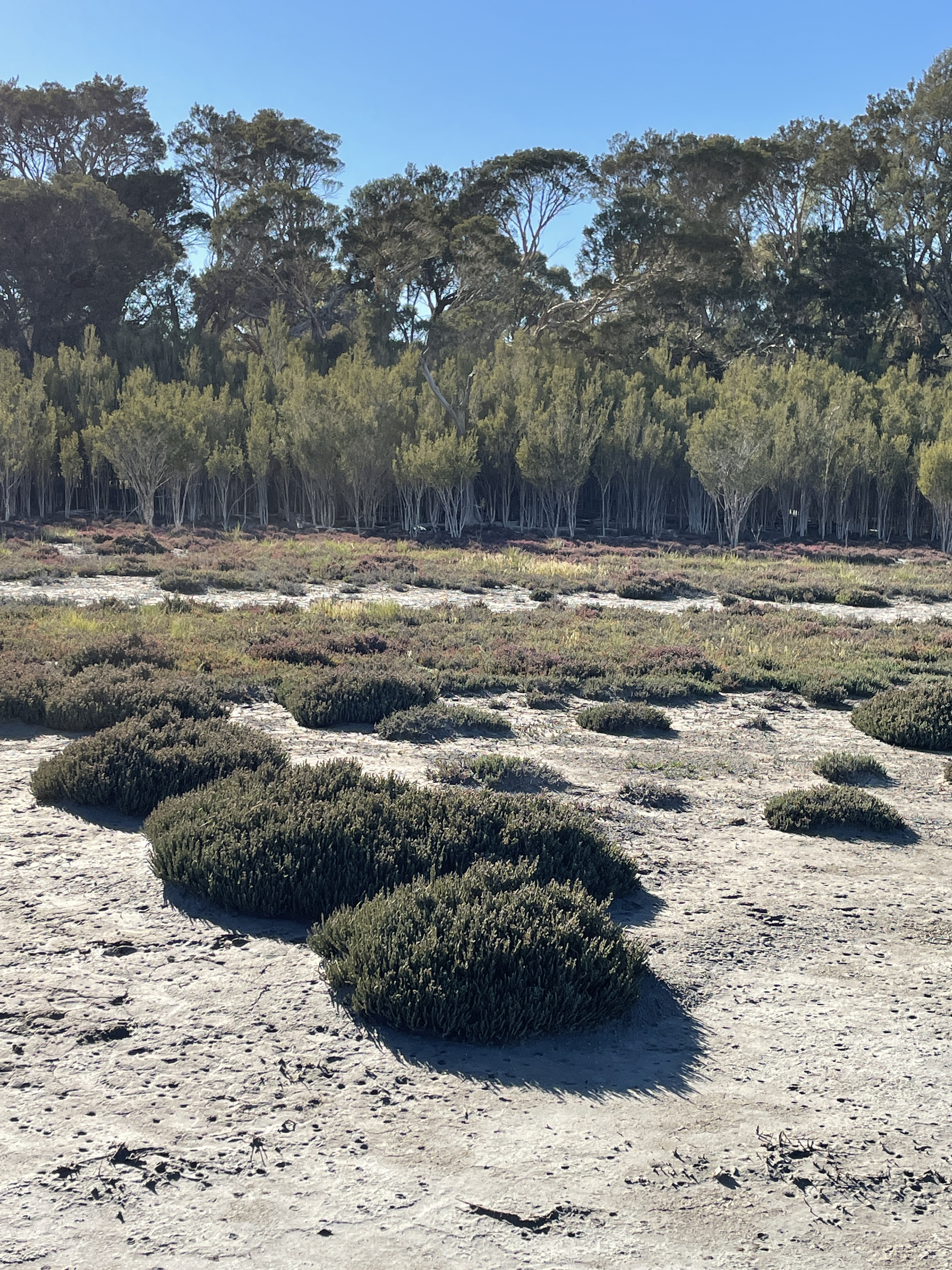
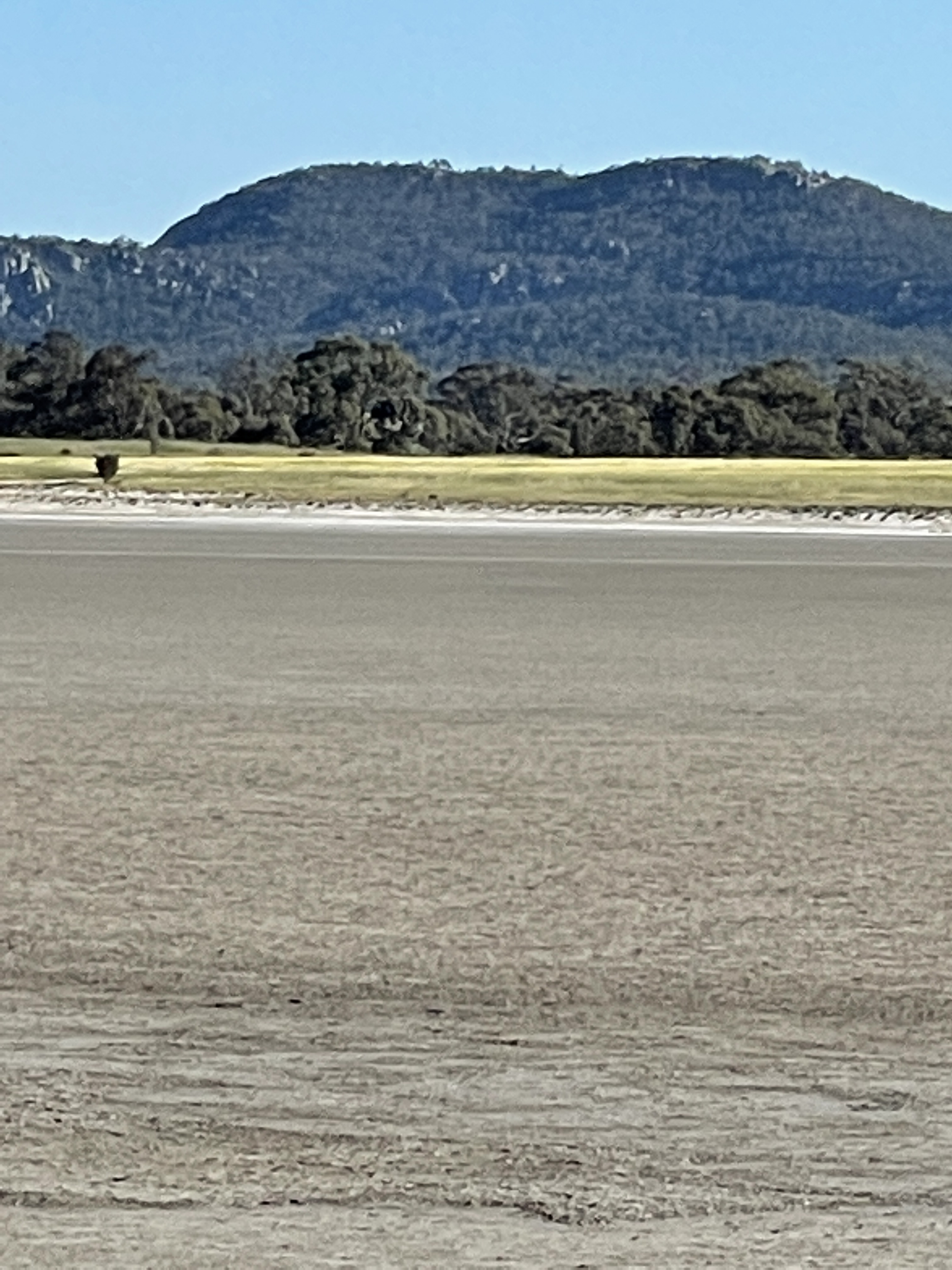
Back at the lake things get more saline and with salty patterns on the bed near where a creek flows in.
With the morning sun in full flight, the shadows are big and strong as I head back to car.
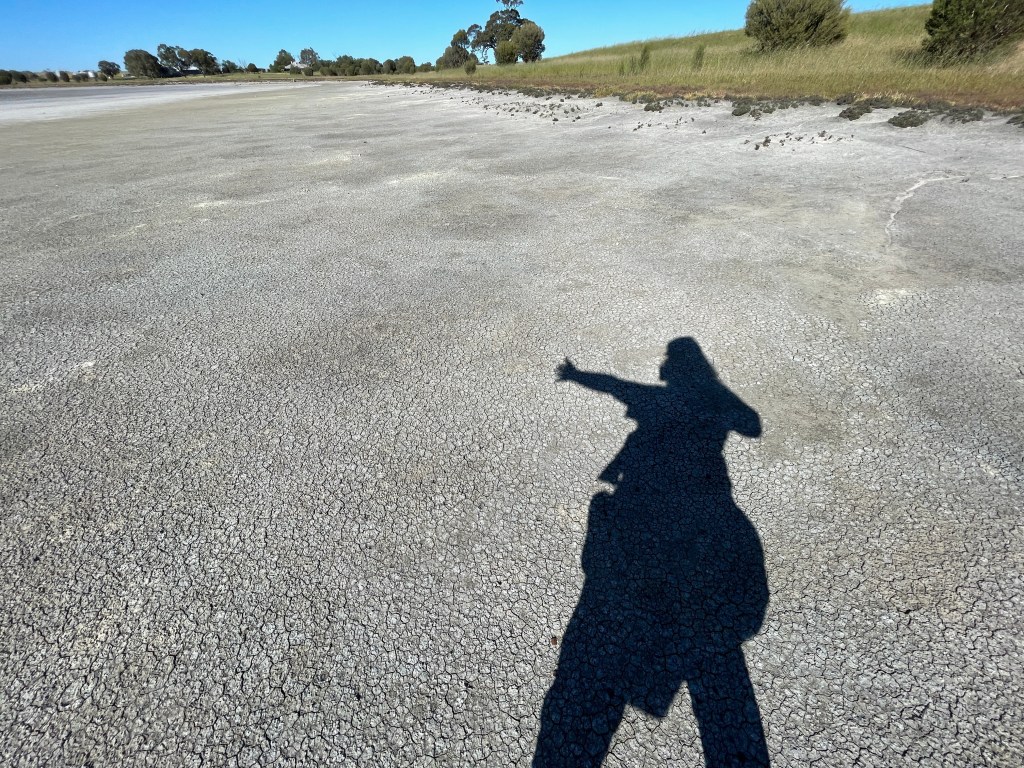

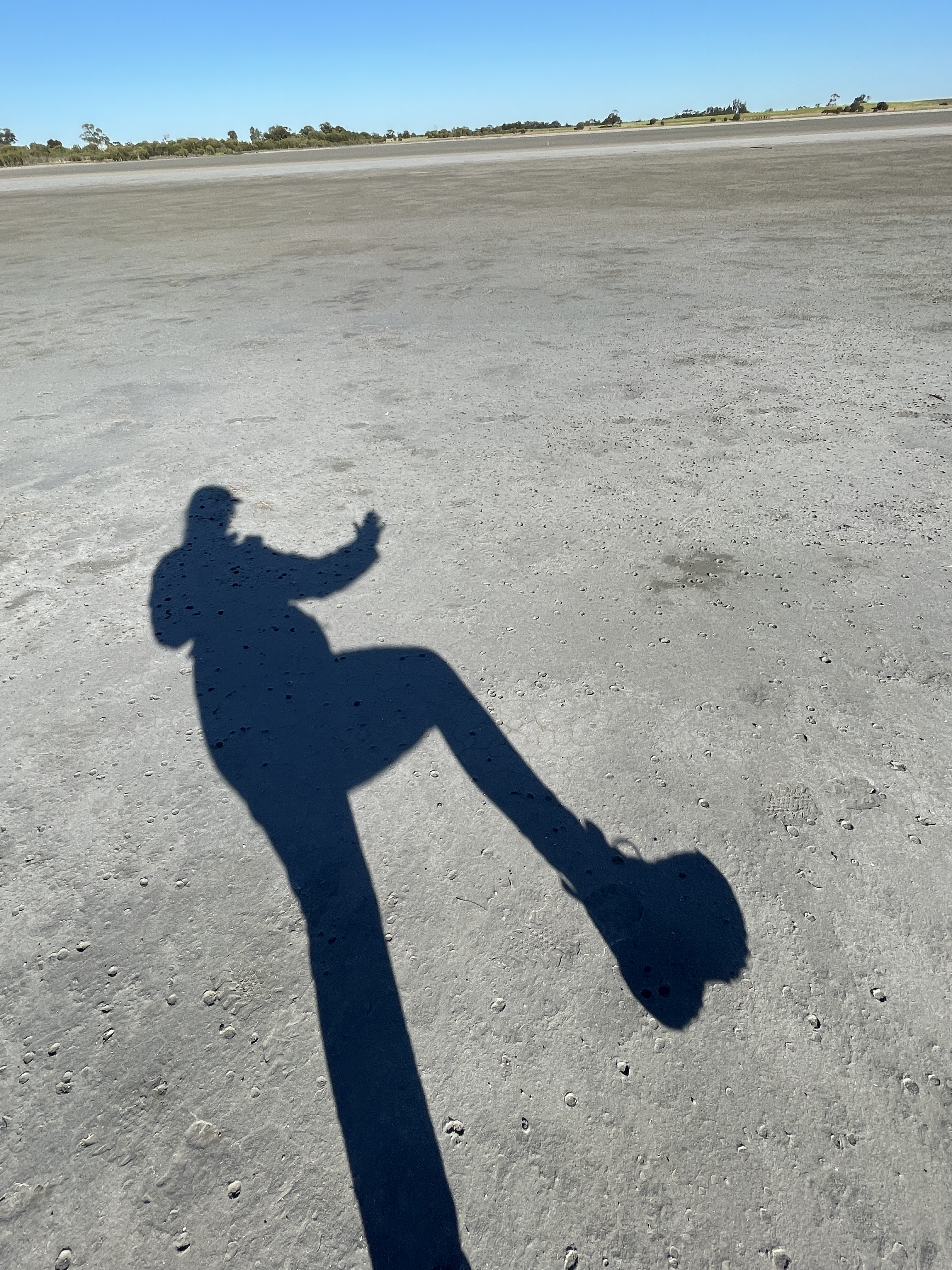
Jacka’s a short walk, but an interesting one and I leave with more questions than answers. Who was Jackie, where is the forest, did those fences have something to do with salt harvest? And what the hell IS under those sticks?
Update spring 2022
What a difference a rain makes. Here are some images from Jacka Lake in November 2022 after several months of good rain.
 52 weeks 52 walks