What Nigretta and Wannon Falls Walks, including Wannon town walk and Thomas Clarke viewing platform.
Where – west of Hamilton, Victoria
How Far: Wannon nearly 4km and Nigretta 600 metres
10 words: Ancient volcanic relics waken sleepy river but not the koala!
As a child no winter was complete without taking a half-hour trip north to see the force of Wannon and Nigretta falls.
They were no Niagra, but just as big in our books as we watched, heard and felt that bubbling white torrent dramatically dive into small pools below.
Not only did many roads lead to these landmarks, but they’d captured the imagination and creativity of famous pioneer artists.
Today, as I kill time in Hamilton, I will revisit the rapids of my childhood and take a walk where the sleepy Wannon River awakens as Wannon and Nigretta Falls.
Don’t get too excited – it is the dry season and the river’s looking pretty thirsty – but I am hoping you will enjoy the stroll and the scenery no less.
First stop are Wannon Falls. I believe this is the traditional land of the Djab Wurrung people whose language group boundary generally extended from Stawell in the north, Halls Gap, Dunkeld and the Wannon River in the west, Mt. Napier and Hexham in the south, and Salt Creek, Lake Bolac, Fiery Creek and Mt. Cole in the east.
The Dja Wurrung are reported to have held a Corroboree near Hamilton in 1862 but by the late 1860s, white authorities had moved many of its mob to ‘missions’ at Lake Condah or Framlingham near Warrnambool.
You wonder what stories were attached to these falls, 19km west of Hamilton, just off the Glenelg Highway.
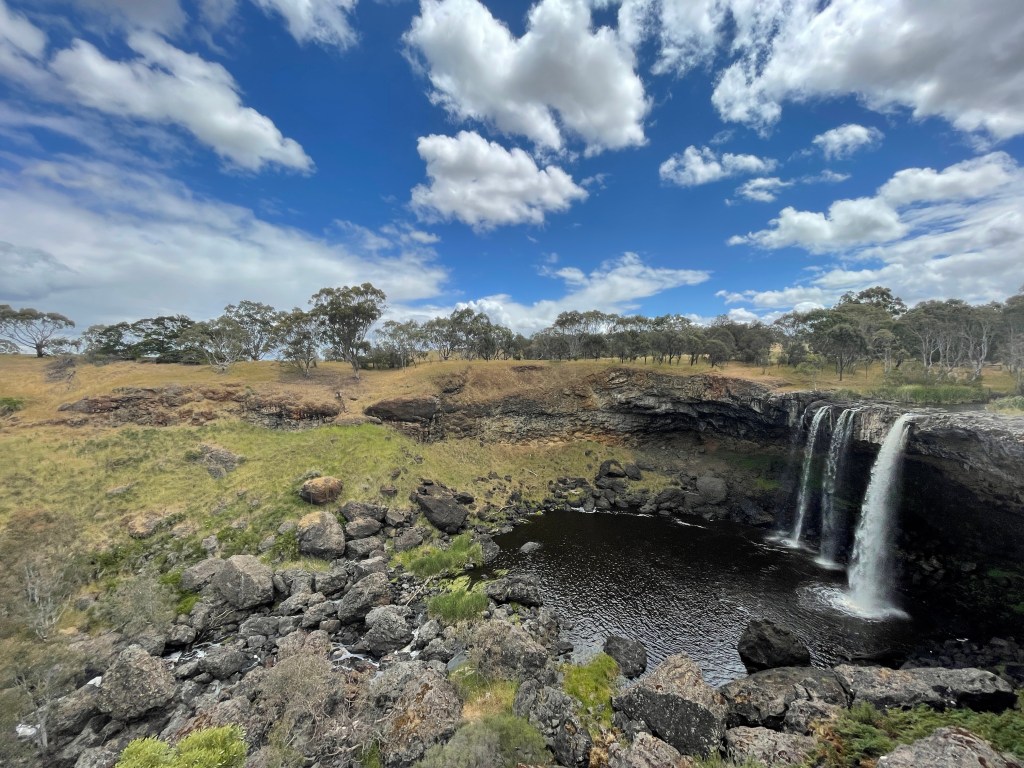
To find the actual falls, turn into the camping ground and follow the track to the viewing area car park. One minute you are walking through trees and suddenly the landscape opens and you watch the river drop 30m into a big hole
Known as a punch bowl, it formed from a lava flow 1-2 million years ago.
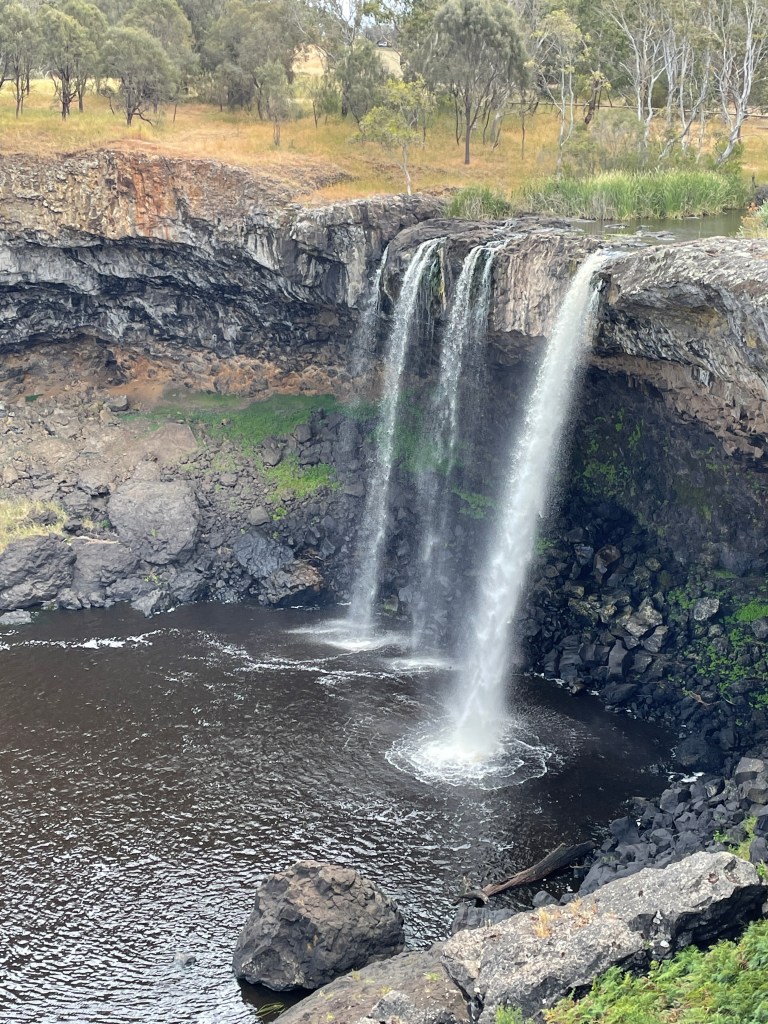
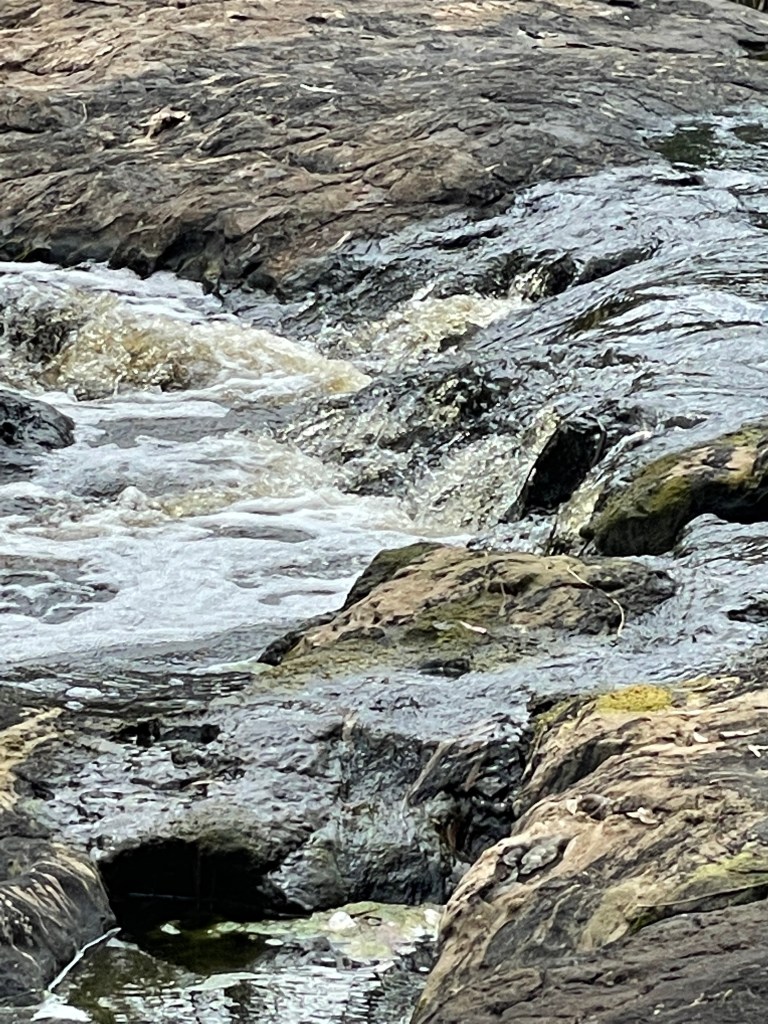
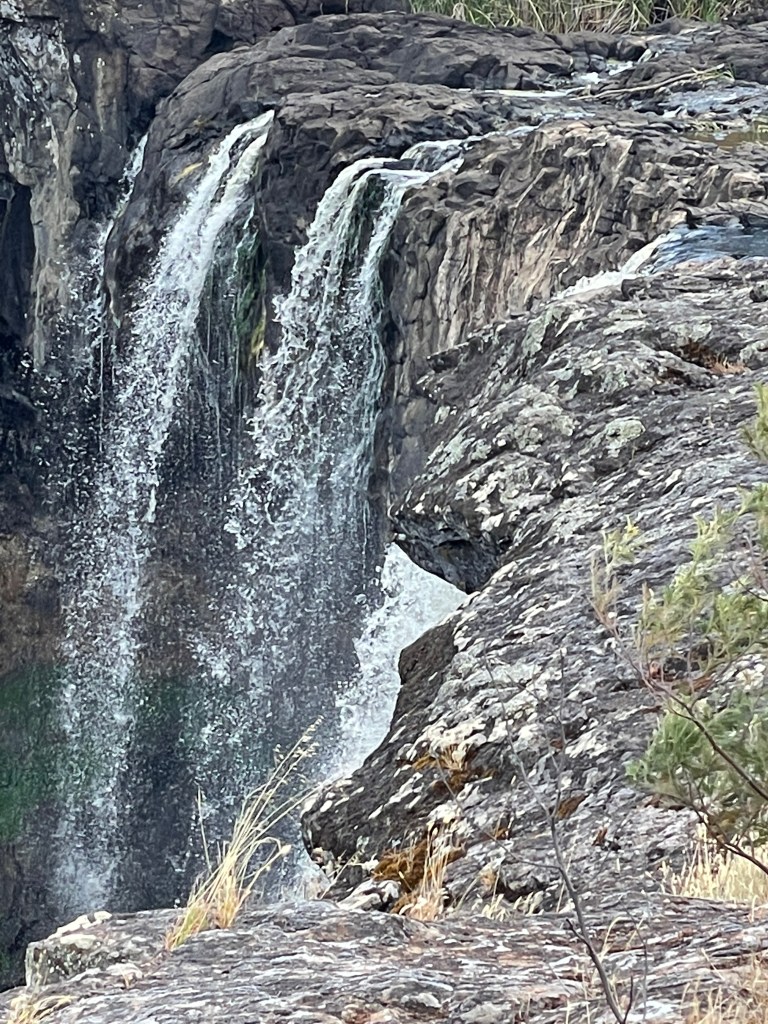
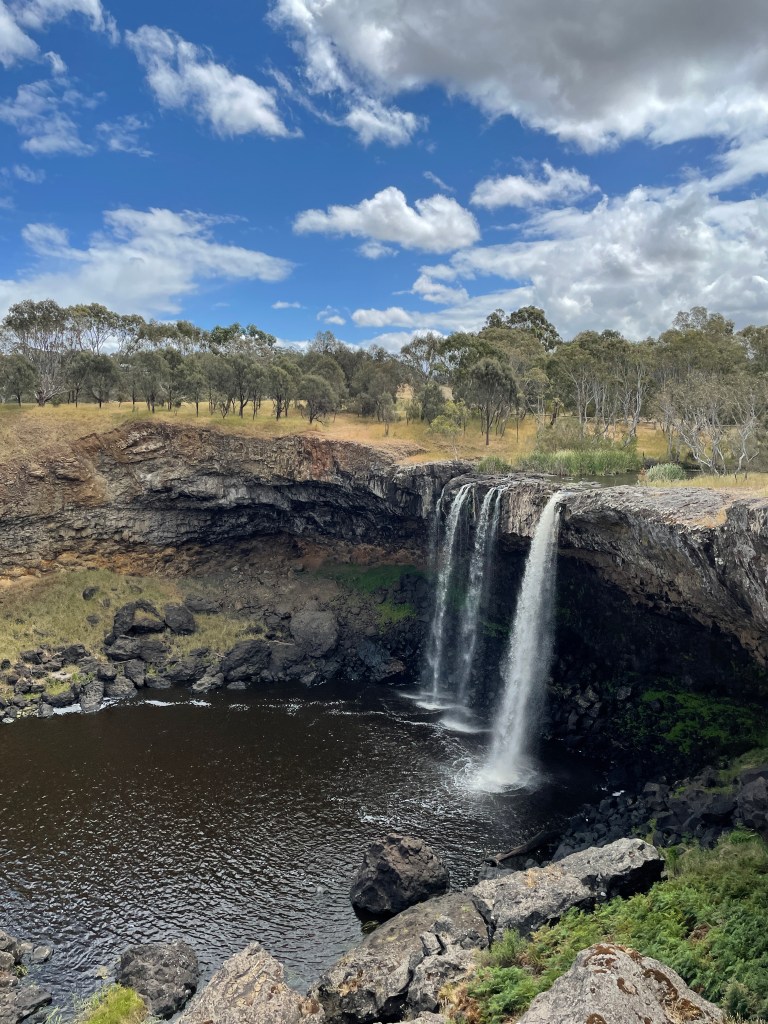
I swam in this pool as a teenager and walked under the falls. No dice today. It is a safe 21st Century viewing platform and big fence to keep us well away from the water’s edge. Probably just was well – they ARE big rocks.
During the mid 1800s the falls capitvated visiting European artists including Nichoals Chevalier, Thomas Clark, Euegene Von Gurard and Louis Buvelot. Hamilton Art Gallery has Buvelot and Clarke renditions – with the former capturing them in full flight.
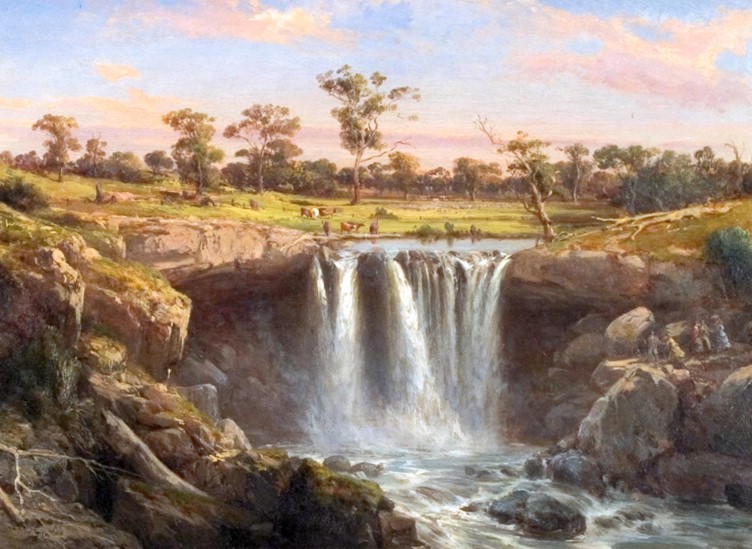
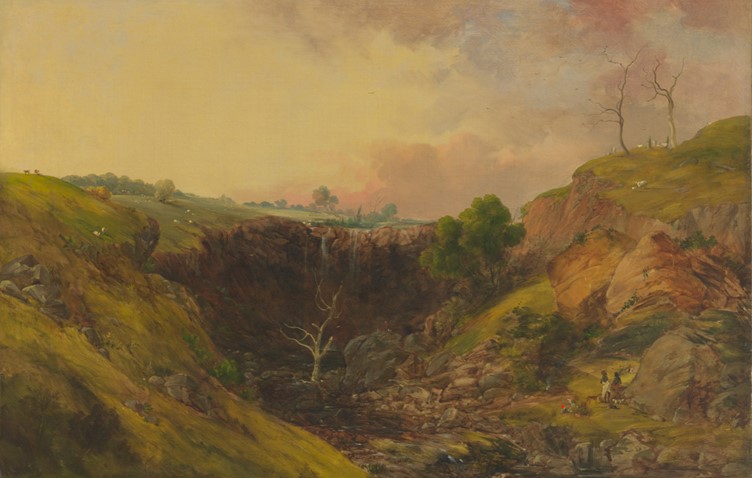
I take a few shots of the trickling falls before heading upsteam. It reminds me of childhood movies – a ‘harmless’ river just dawdling along and then BAM – an unexpected drop.
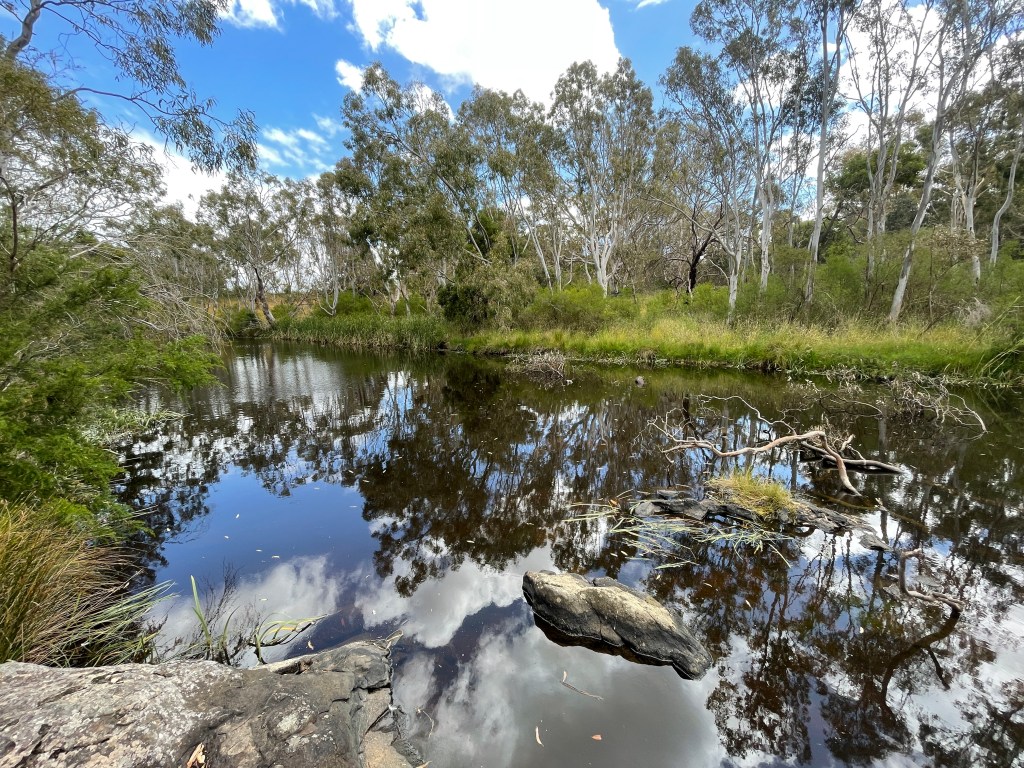
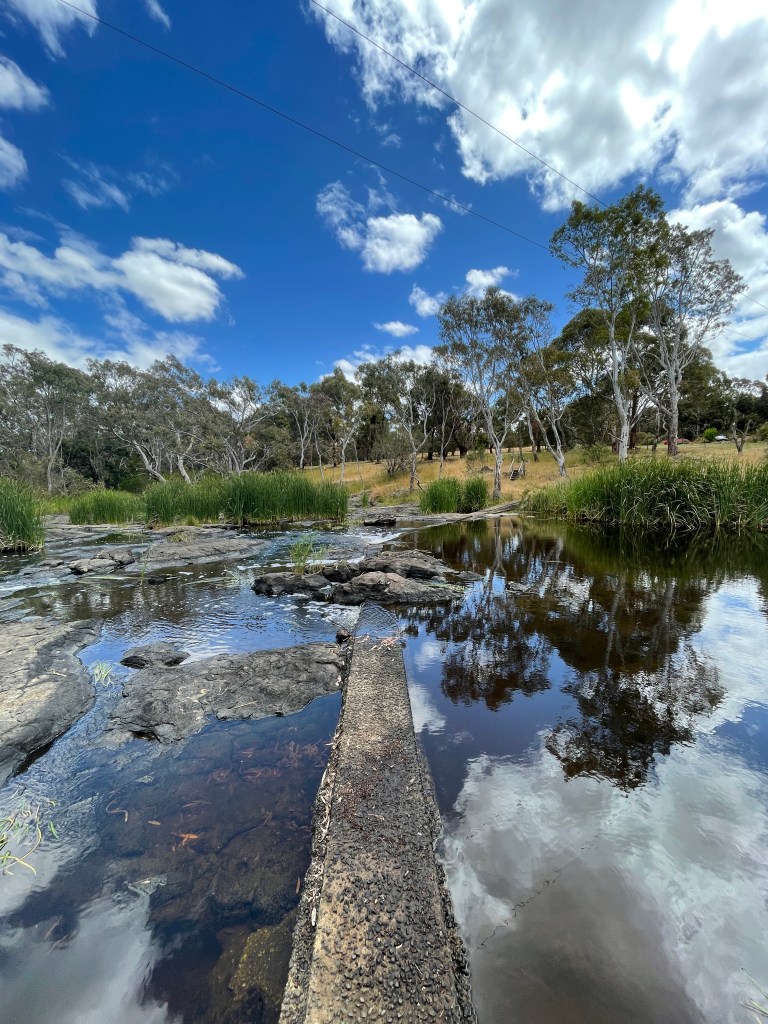

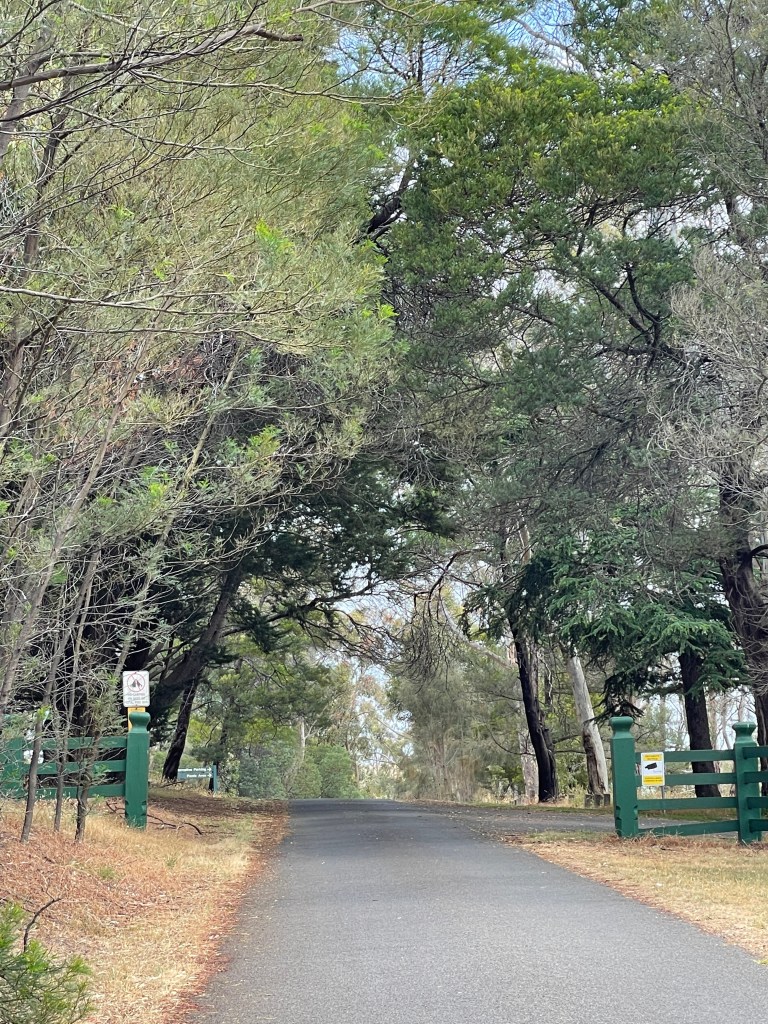
The stream is part of a history walk that takes you through Wannon town, which for some reason we always referred to as ‘The Wannon’.
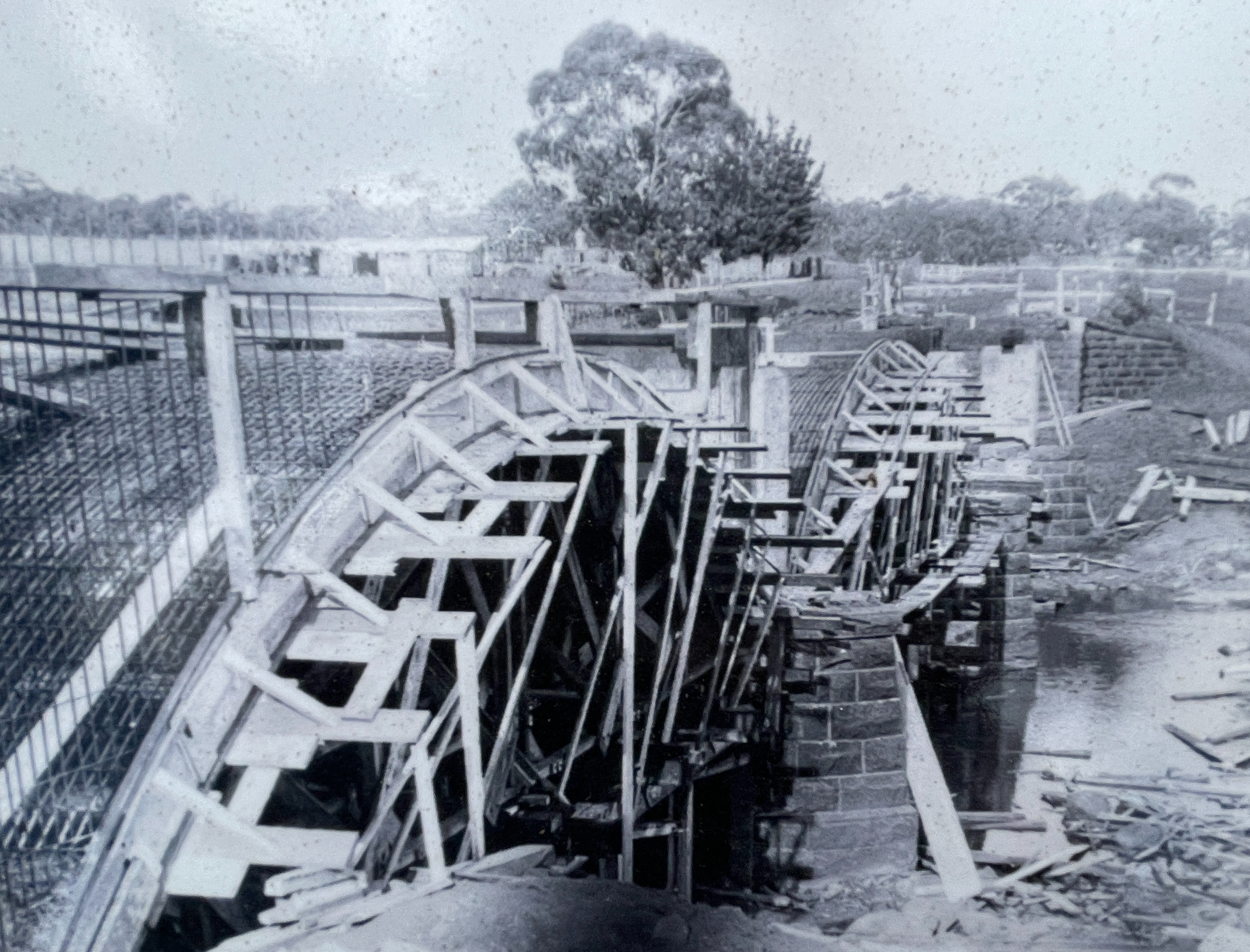
The history walk takes me out of the park, across the highway and to a 1917 bridge. This structure took just five months to build and was one many using John Monash’s Monier concrete design. Monash, who was probably better known for his leadership in the trenches of France and Belgium during World War 1, was an accomplished engineer.
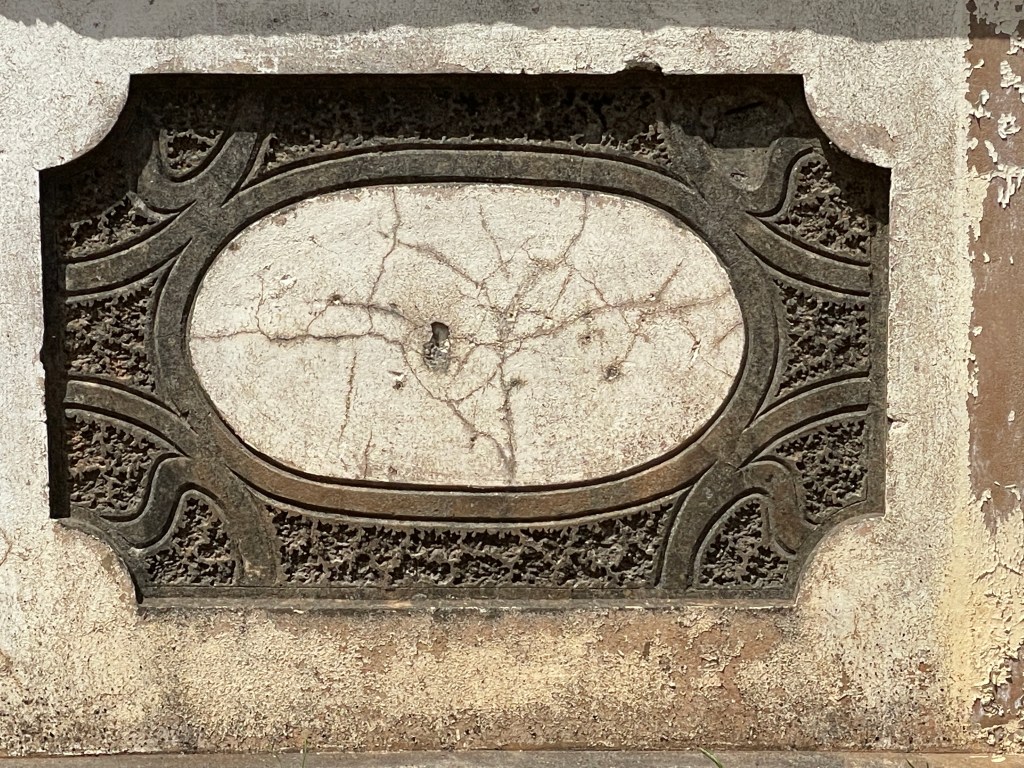
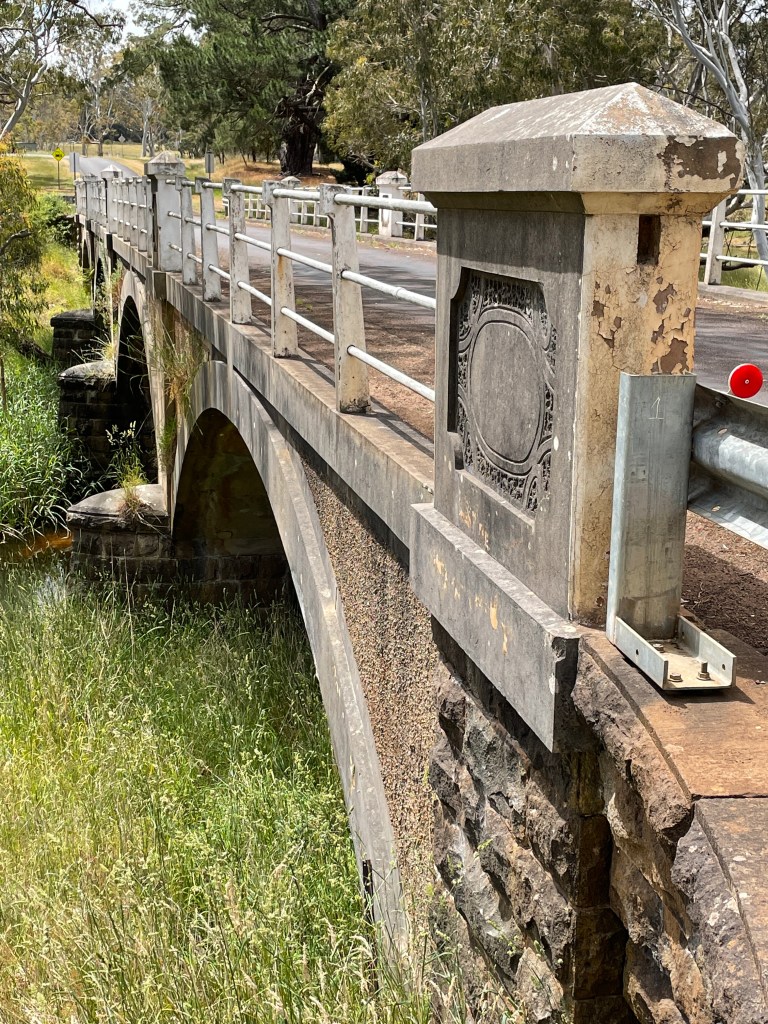
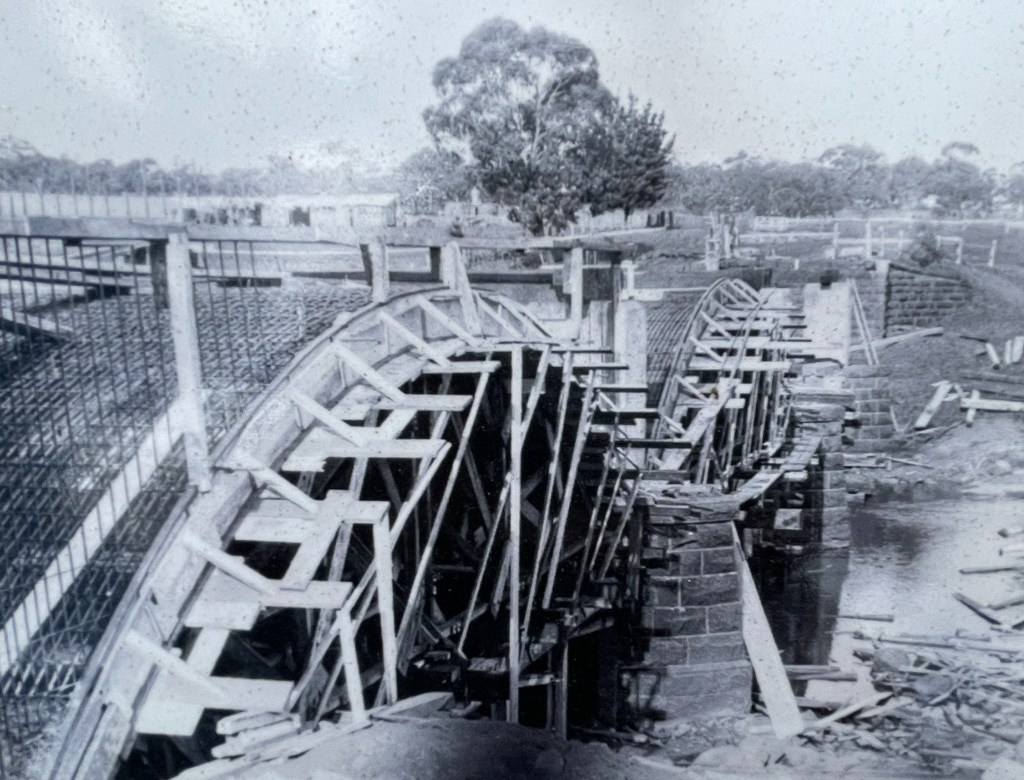
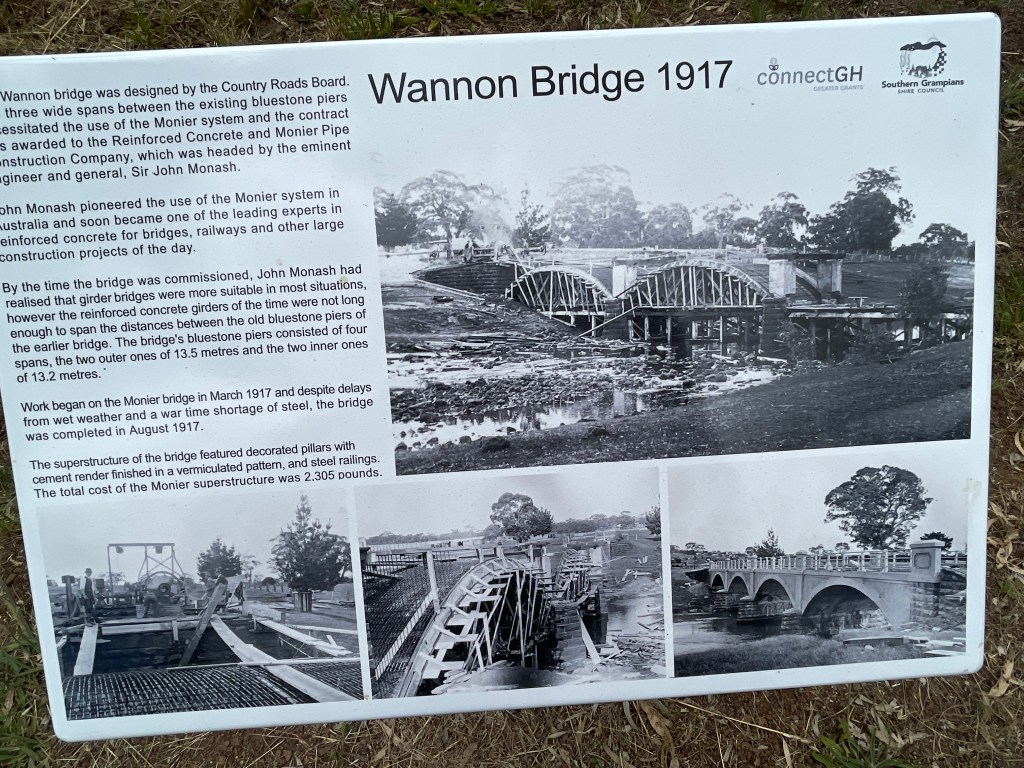

He pioneered reinforced concrete and at Wannon, this system helped create a new bridge using the existing bluestone foundations. Decorative cement render on the pillars really has stood the test of time.
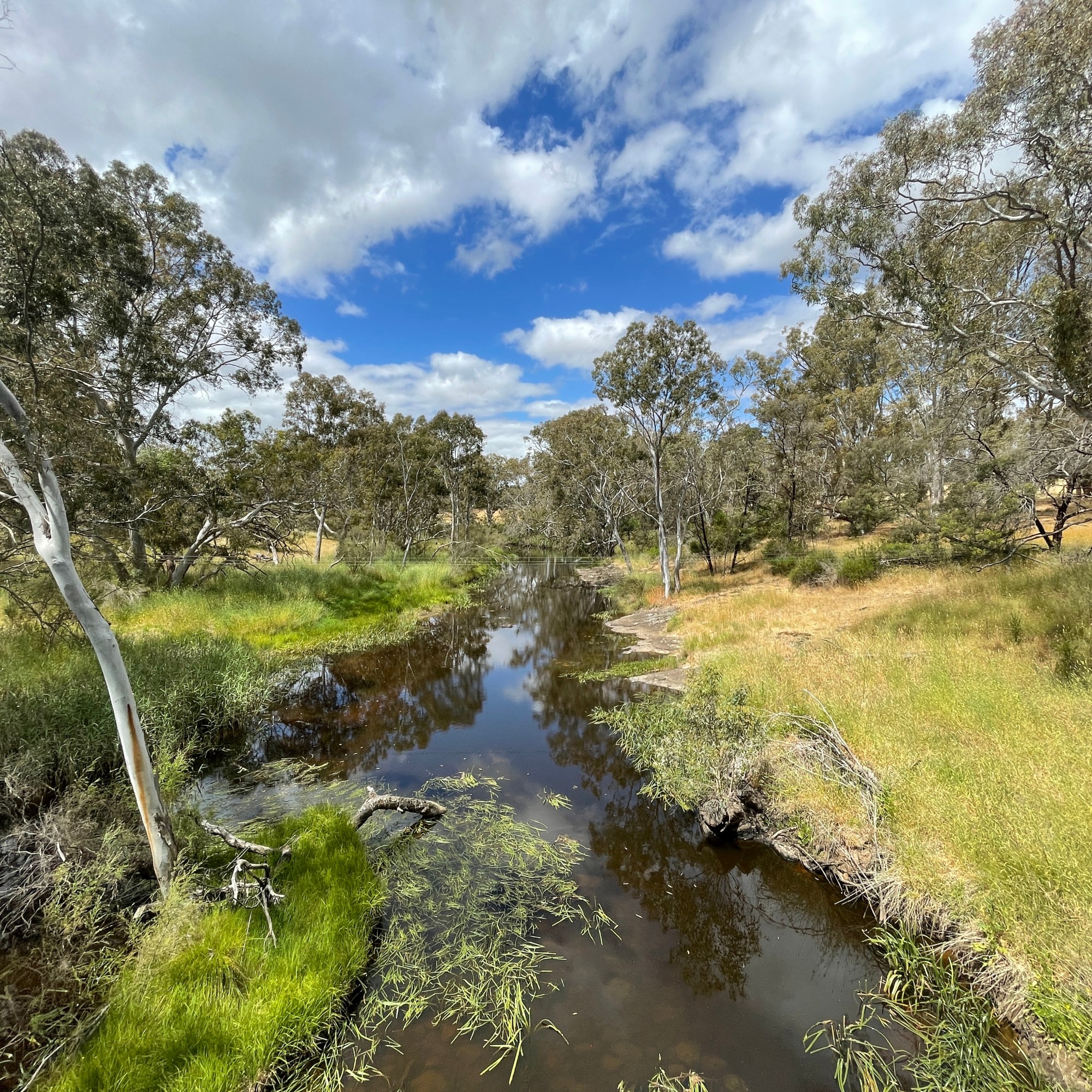
It is a nice view looking into the river and amazing to think of just how much water has passed beneath over the years.
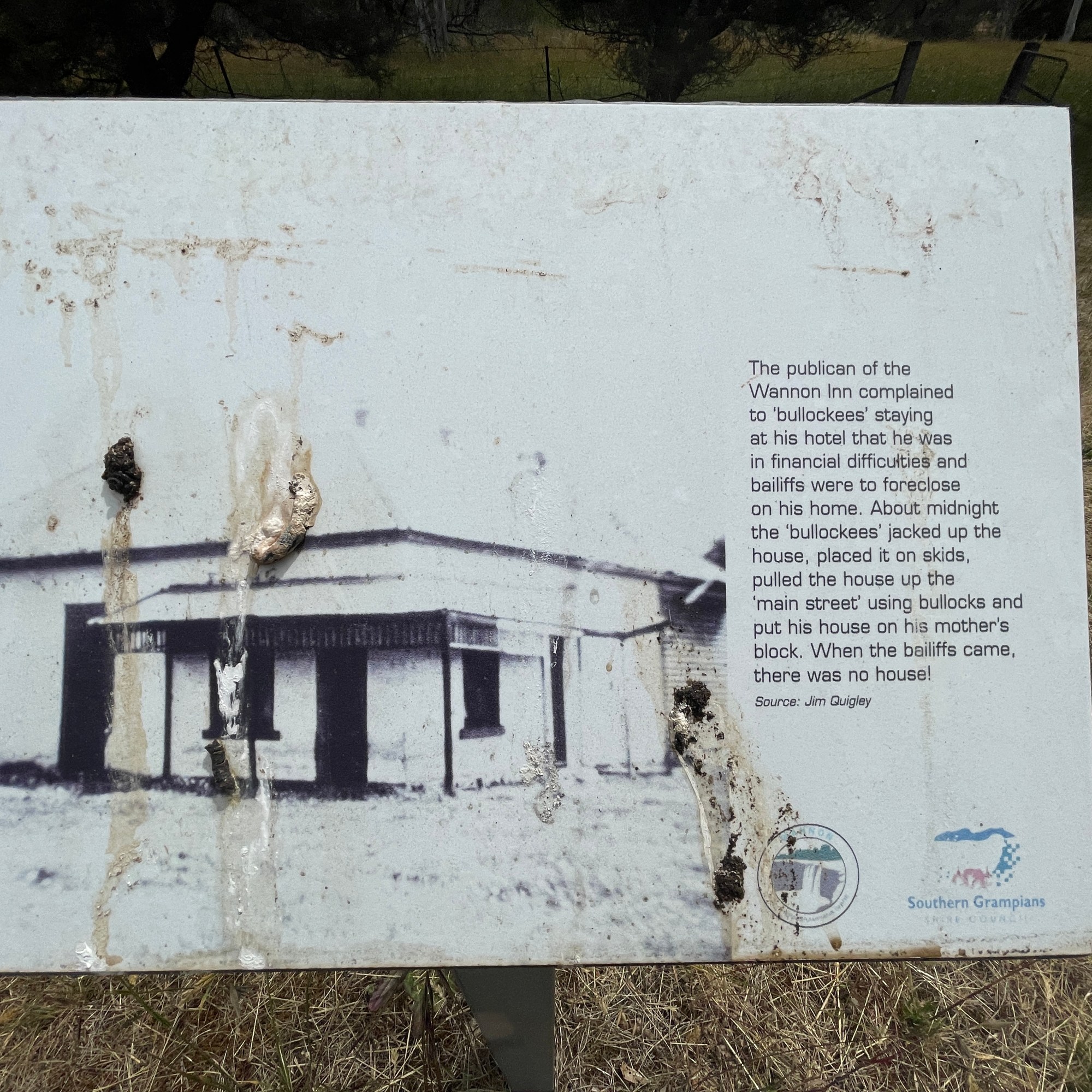
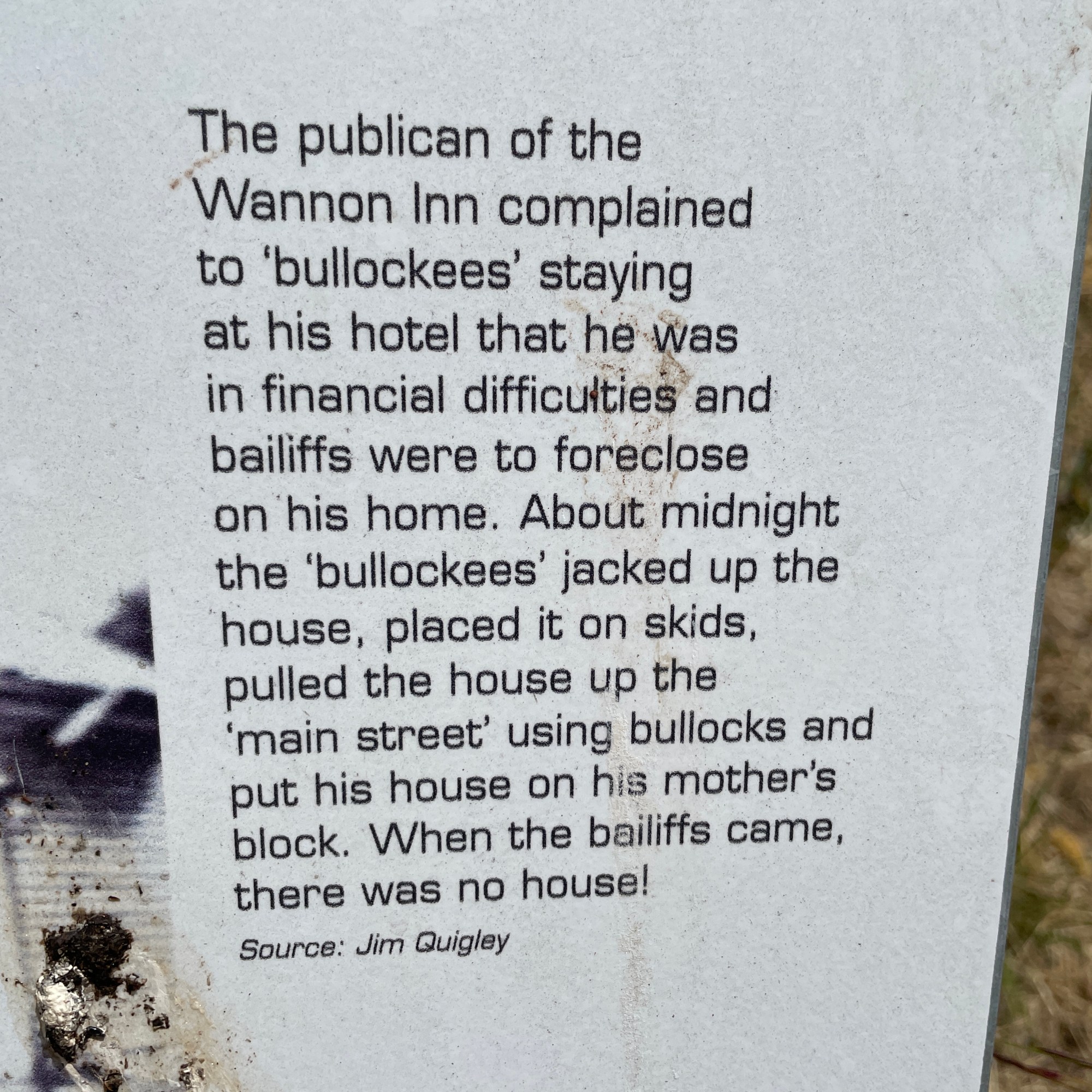
A sign tells us of a past pub beside the bridge. The publican fell on hard times and told the bullock drivers guests the bailiffs were coming to take his house. The patrons jacked up the building, put it on skids and used their cattle to drag it up the road to his mother’s block. When the law arrived there was no ‘house’ to repossess.

I cross the bridge and I turn left down McGregors Road. There’s a church on the left and the old school site on the right.
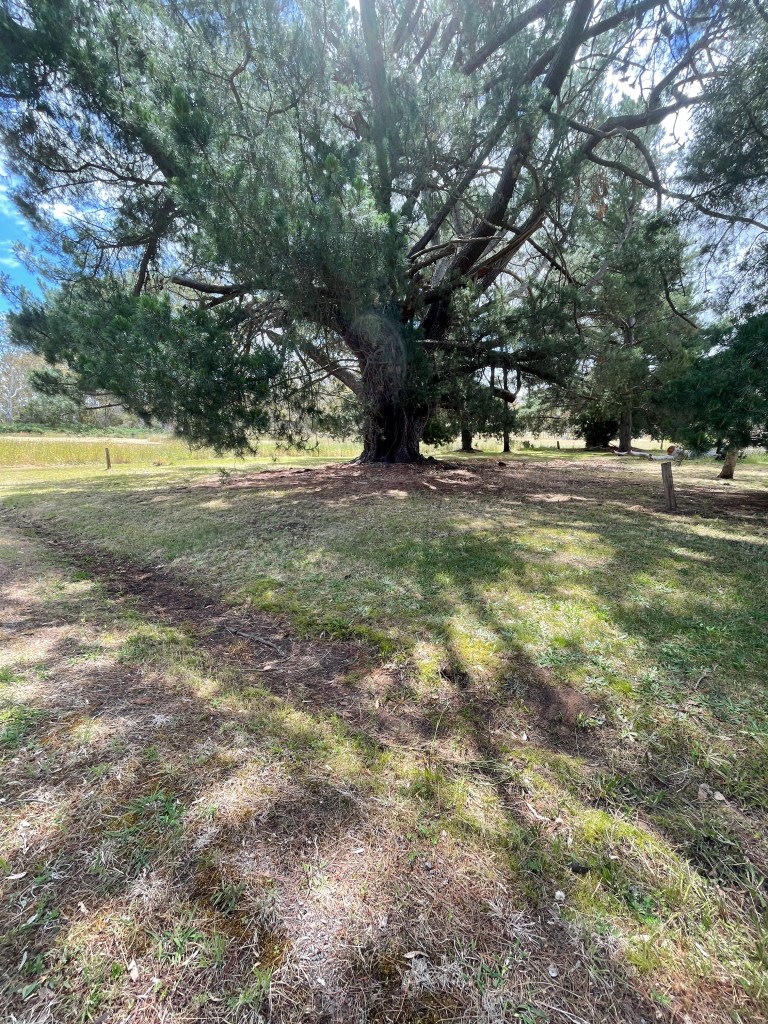
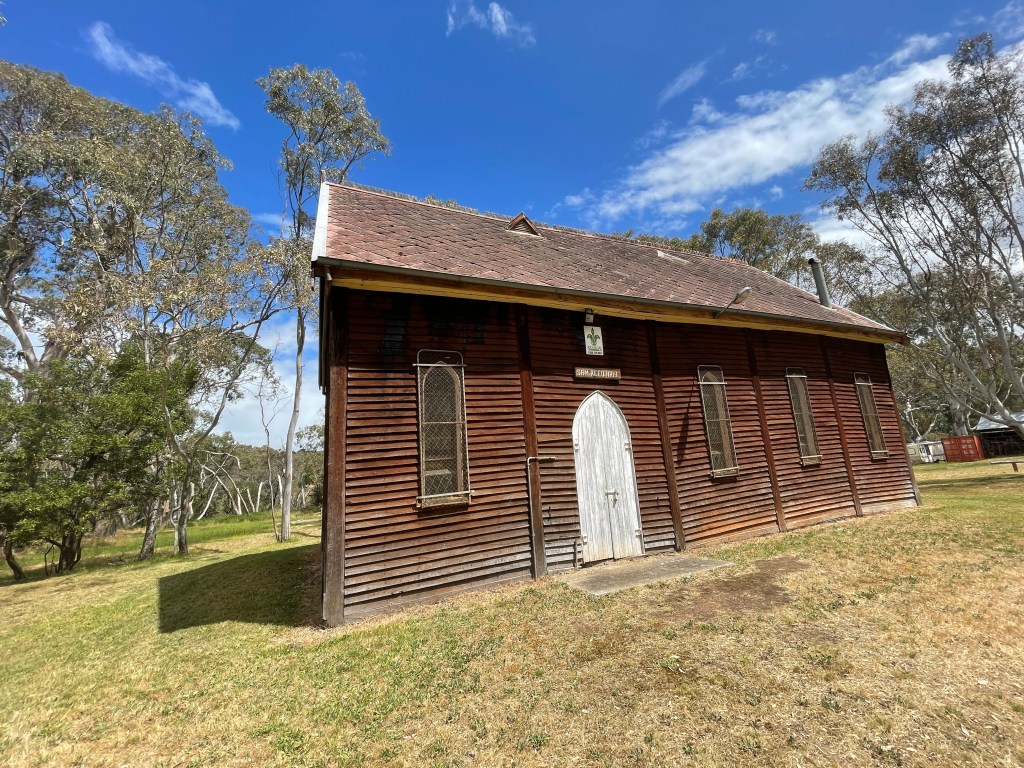
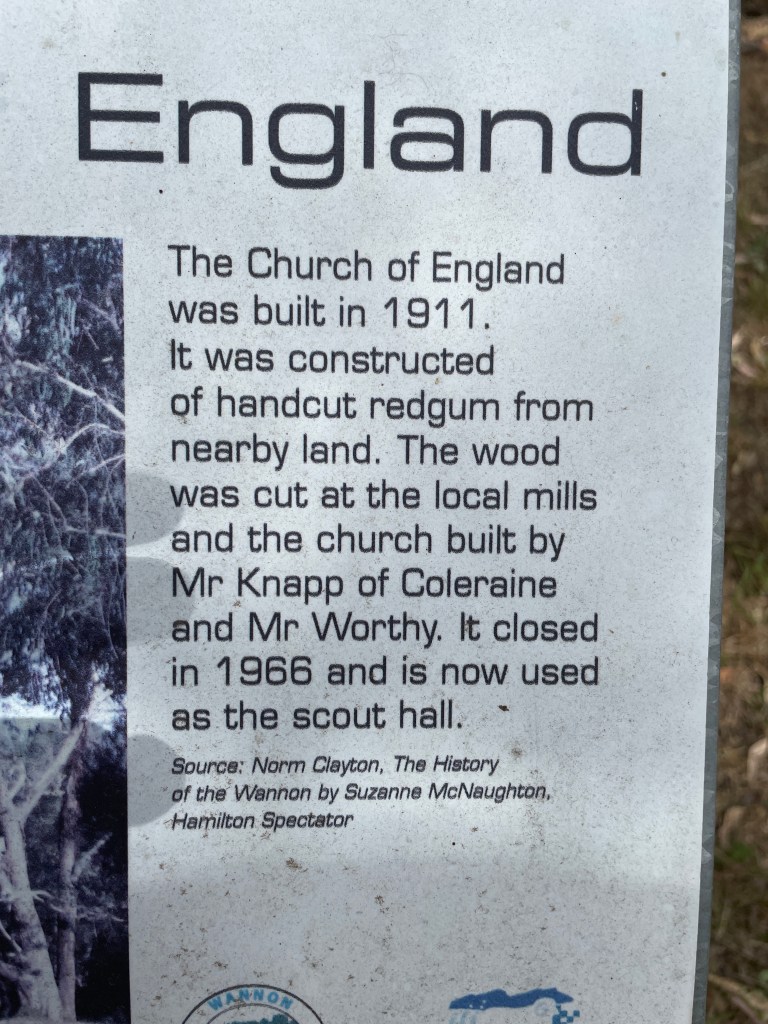
The Church, built 110 years ago from local redgum, shut in 1966 and it now a Scout camp. The big grounds include a huge old pine tree perfect for shaded post-worship catch ups and Scouts’ climbing expeditions.
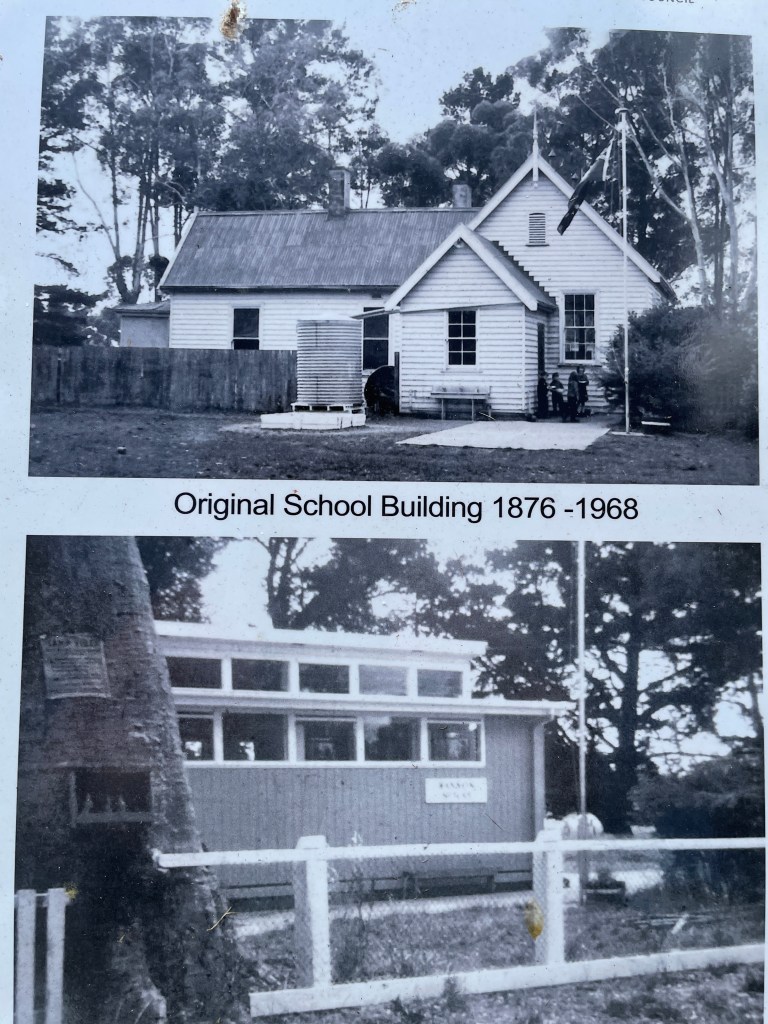
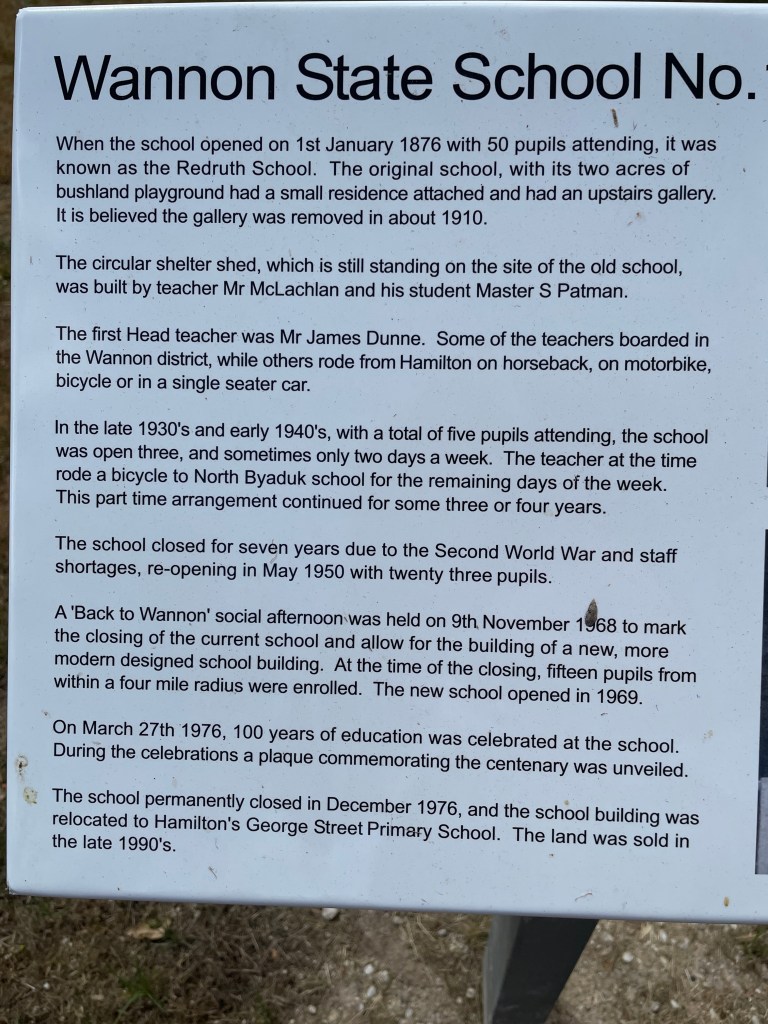
The school had 50 students when built in 1876 but things ebbed and flowed over the years with teacher shortages and war cutting classes in the 1930s and 40s. One energetic teacher shared his time between Wannon and North Byaduk which involved a 35km bike ride both ways.
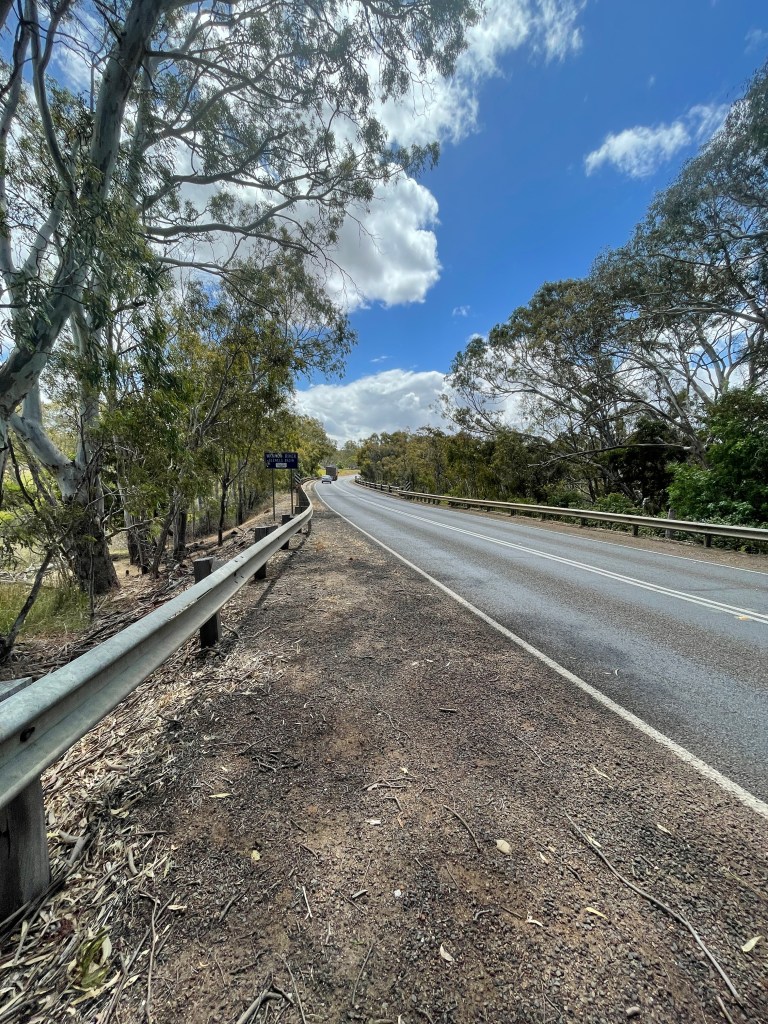
I follow this road to the Glenelg Highway and cross the river on a large soulless – replacement for the Monash’s handywork.
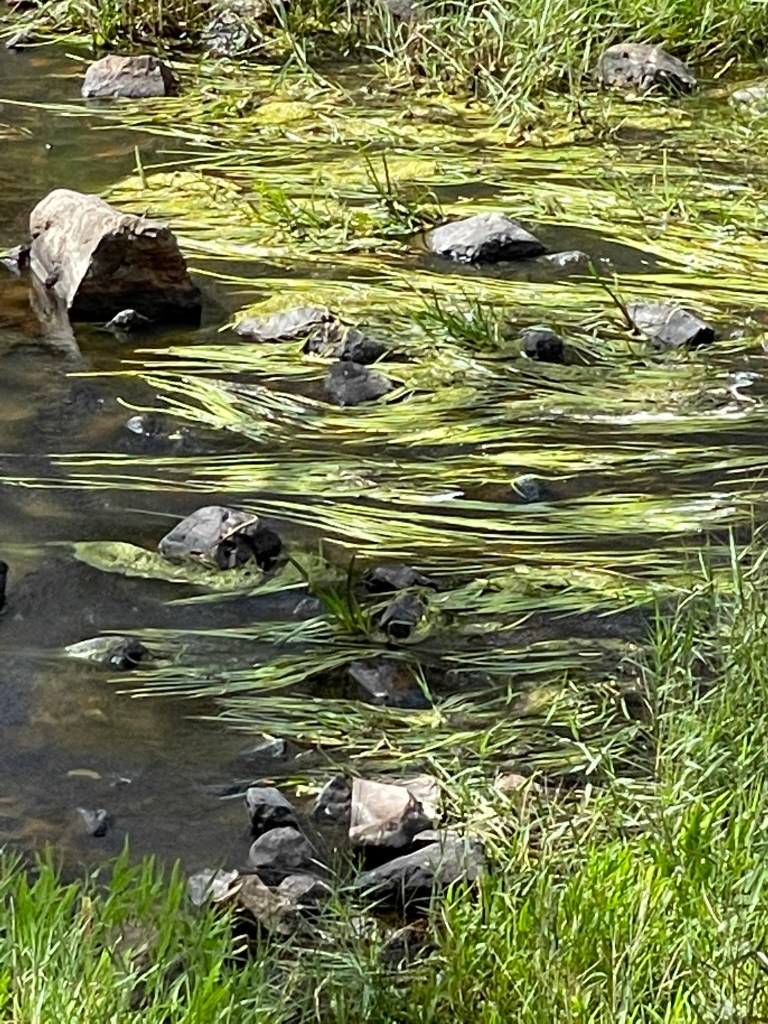
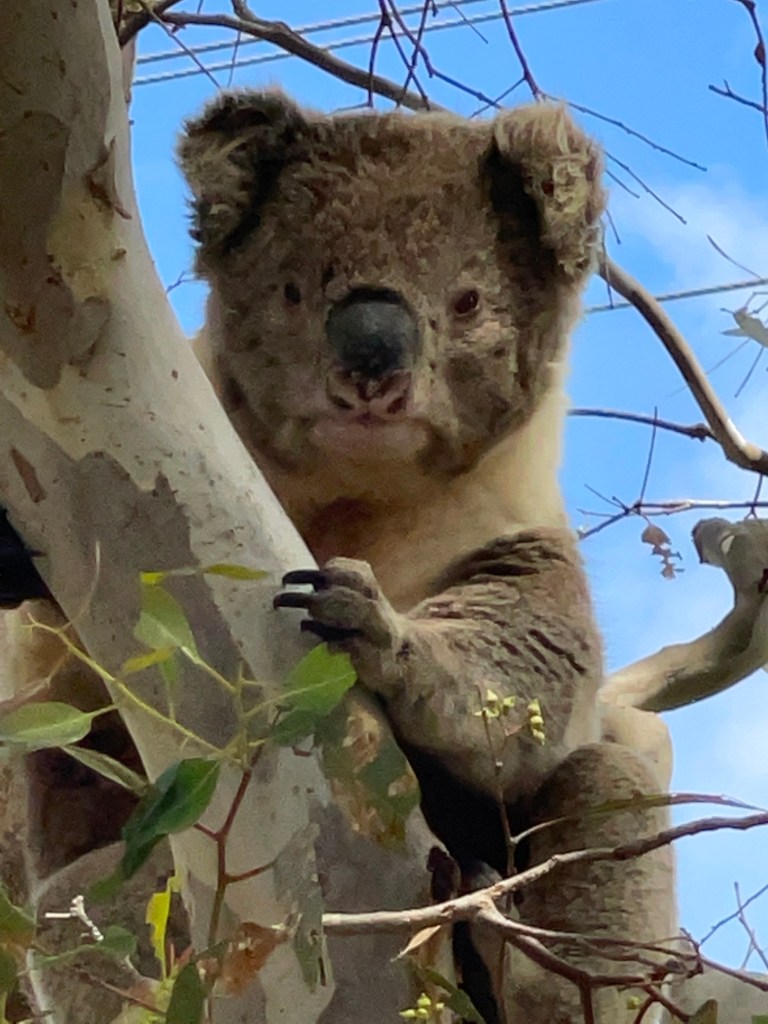
The big clouds and a clear and gently flowing Wannon set a dramatic scene which gets even more interesting when I eyeball a koala who does not bat an eyelid despite the photographic attention.

Back in the car, I head down Chrome Road to see where Thomas Clarke did his creative famous painting.
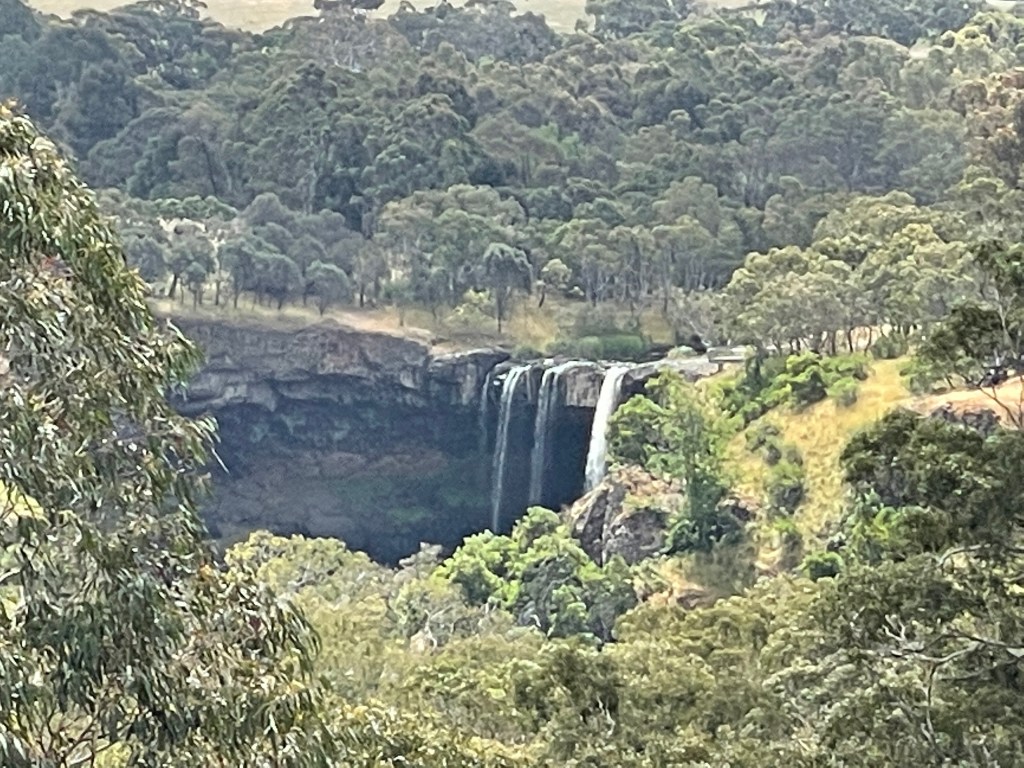
The walking track to this alternative viewing point is pretty sketchy and I give up half way – only to realise later that it did lead somewhere. But I do get the vibe of Tom’s view of the falls and spend some quality time with a flutter of butterflies that join my trails.
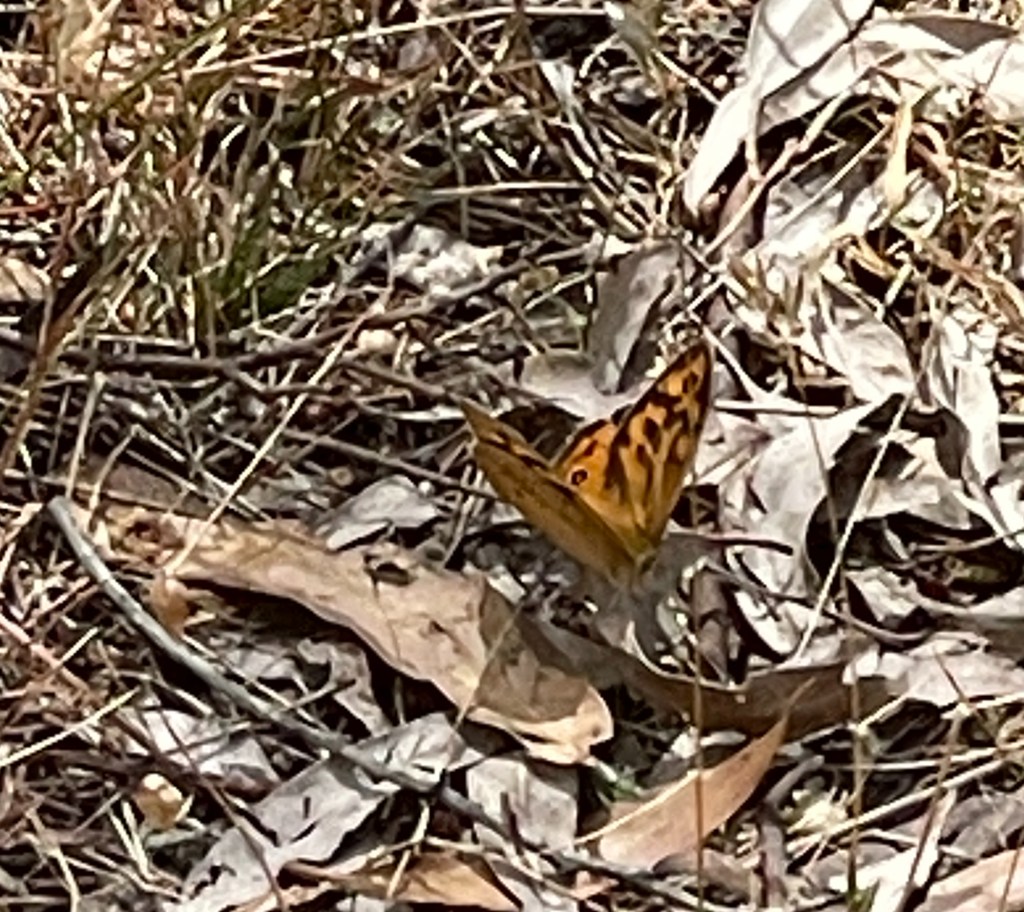
Now it is time to head to Nigretta Falls, via classic red gum country. Do be careful on the blind corners along this narrow road which has several houses and quite a bit of traffic.
Nigretta falls are named after an early squatting property whose homestead, built in the mid 1880s ,once stood slightly upstream. Back in the 1930s, falls’ visitors apparently passed the ruins of a stone house complete with door and window frames, a chimney and a burst of Irises in spring.
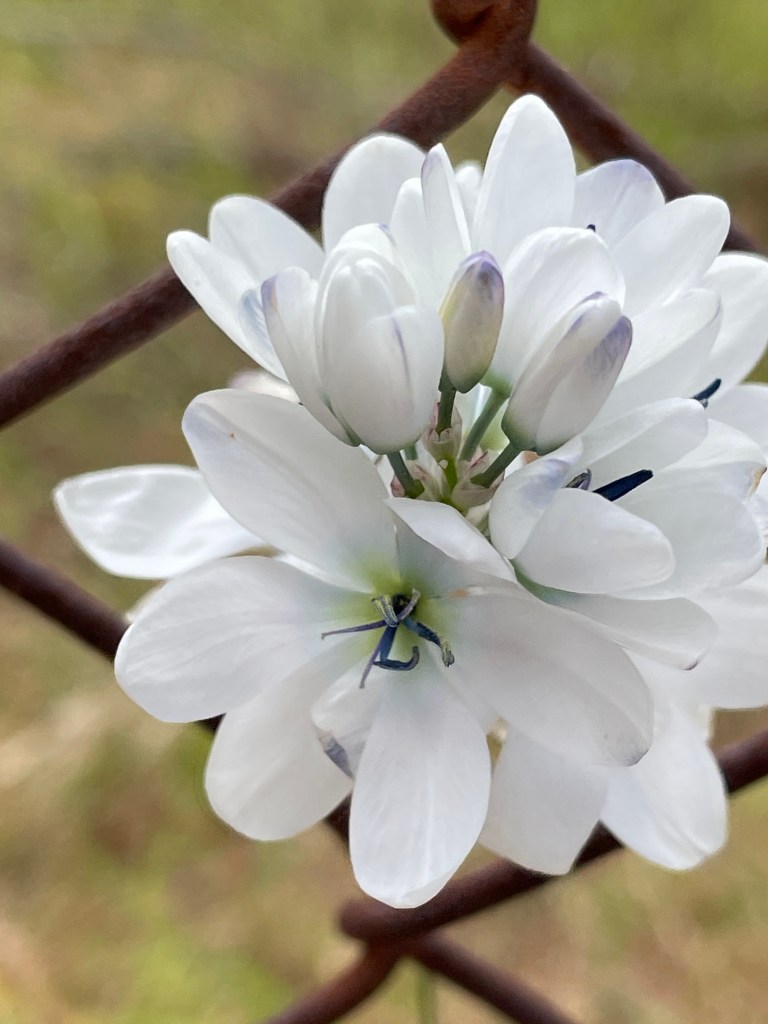
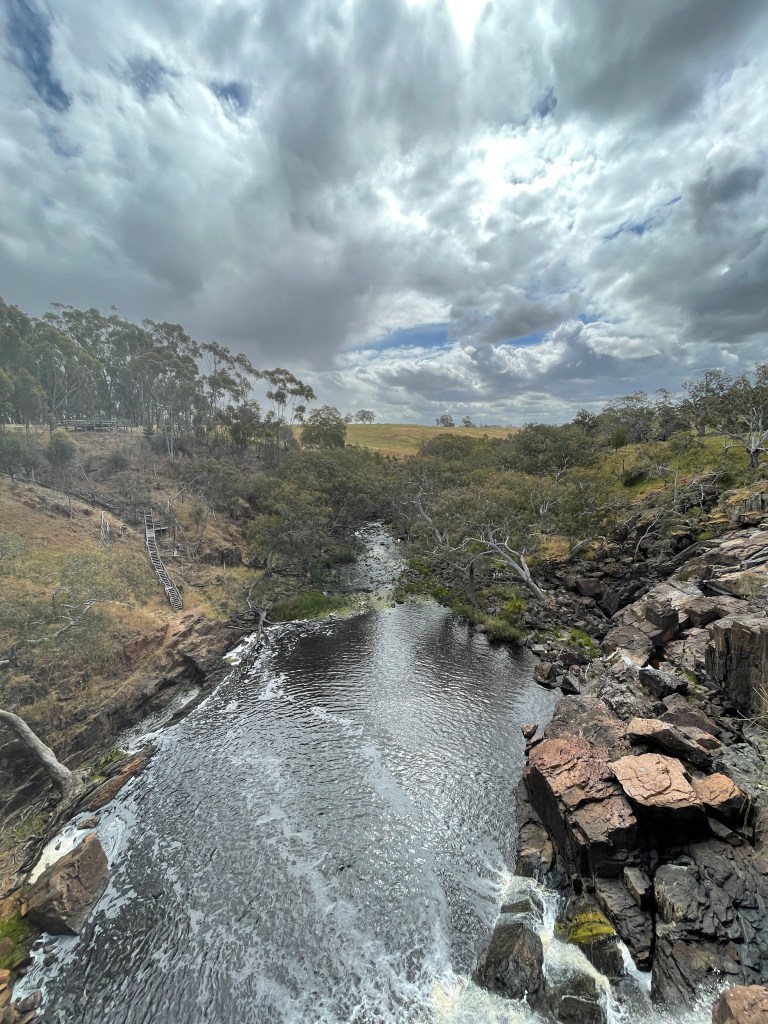
The Nigretta reserve was first declared in 1912 and the falls provided popular as inspiration for early photographers and artists, including Eugene Von Gurard, and even featured on the walls of old red rattler trains.
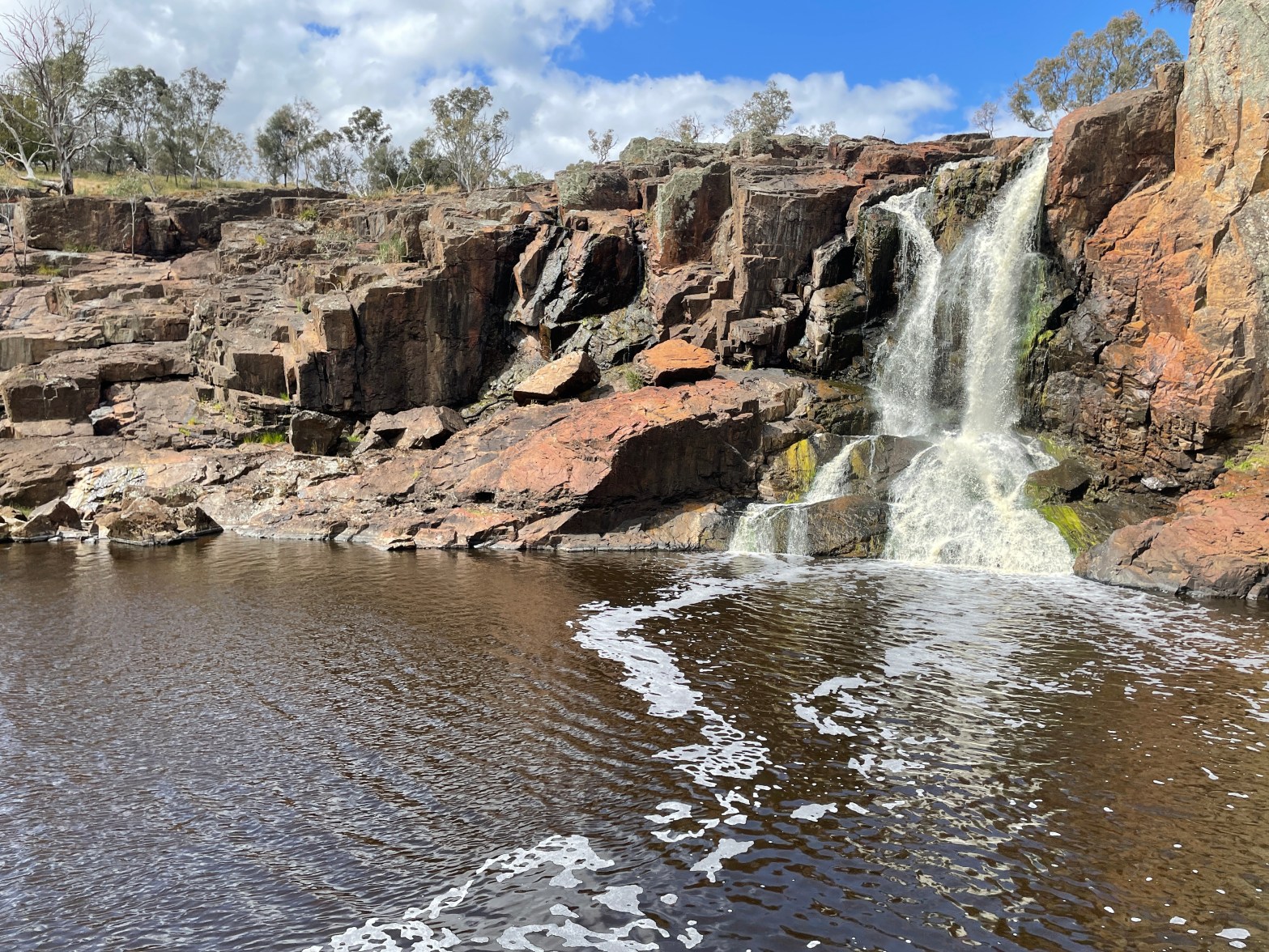
They are different to Wannon, with a wider, multi-channelled flow. Today it is just a trickle but things can change after winter and spring rains. (I have included an image from a previous visit.)
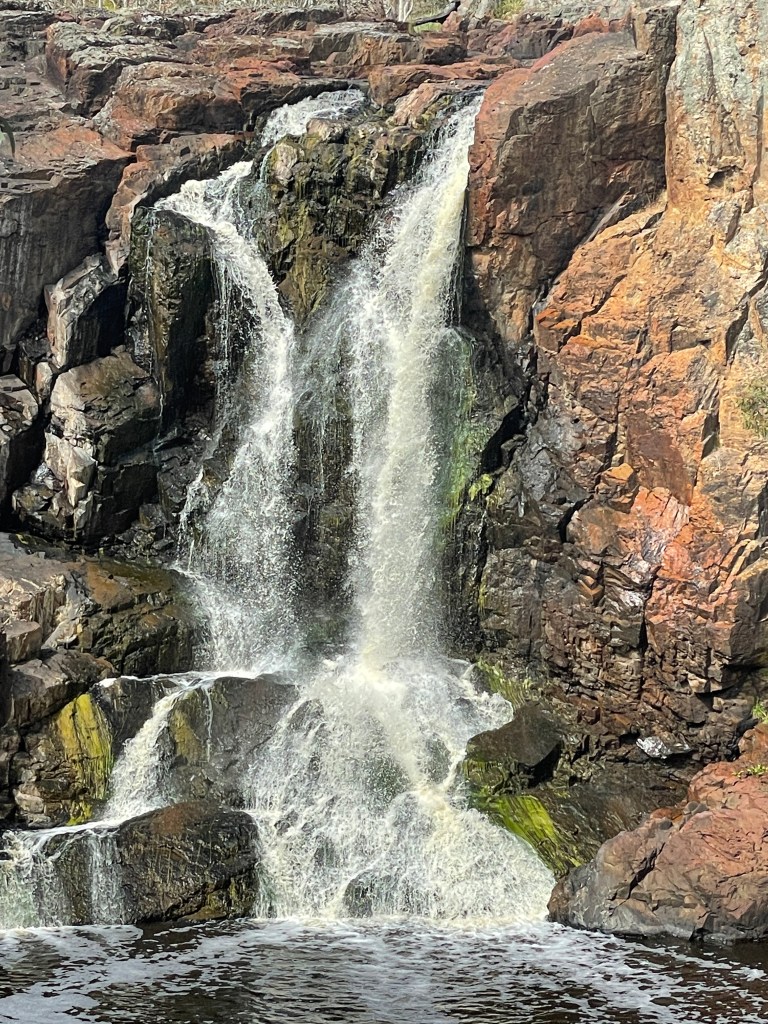
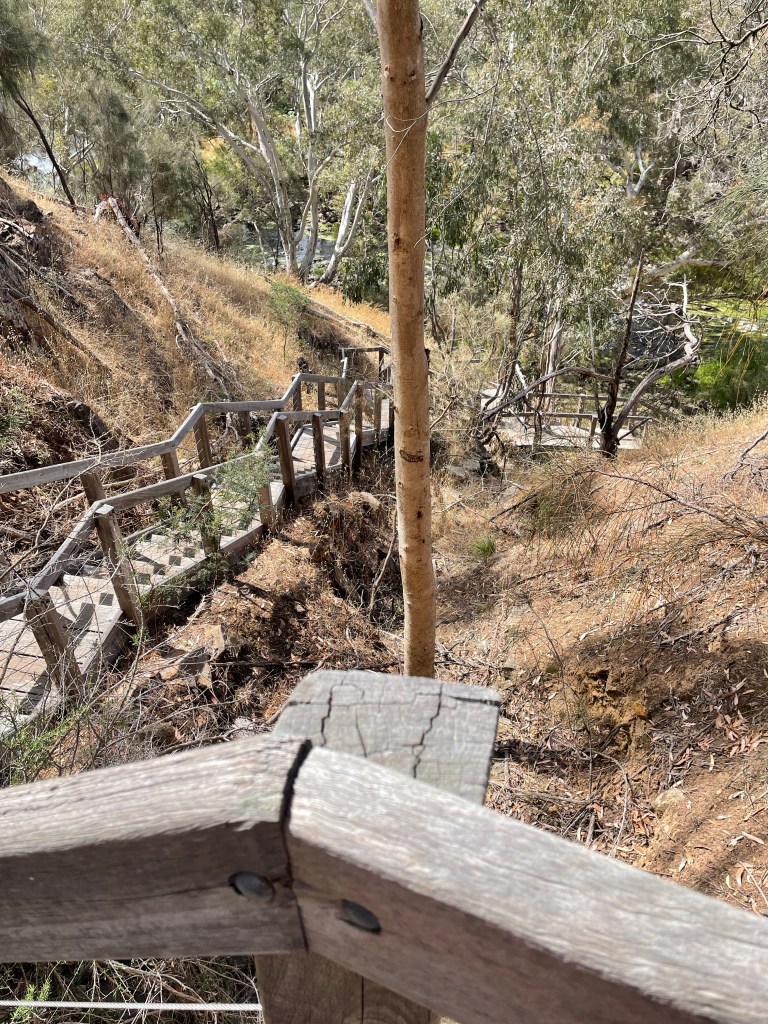
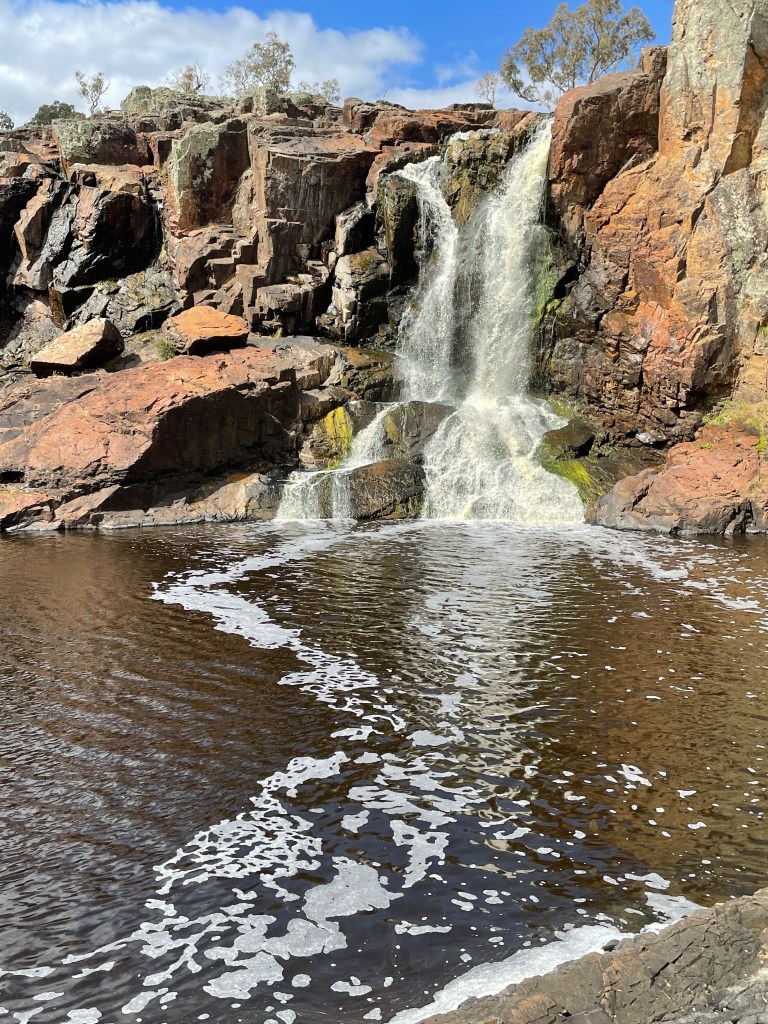
The track takes you right down to the water’s edge for a ground floor view which features some geometric and colourful rocks.
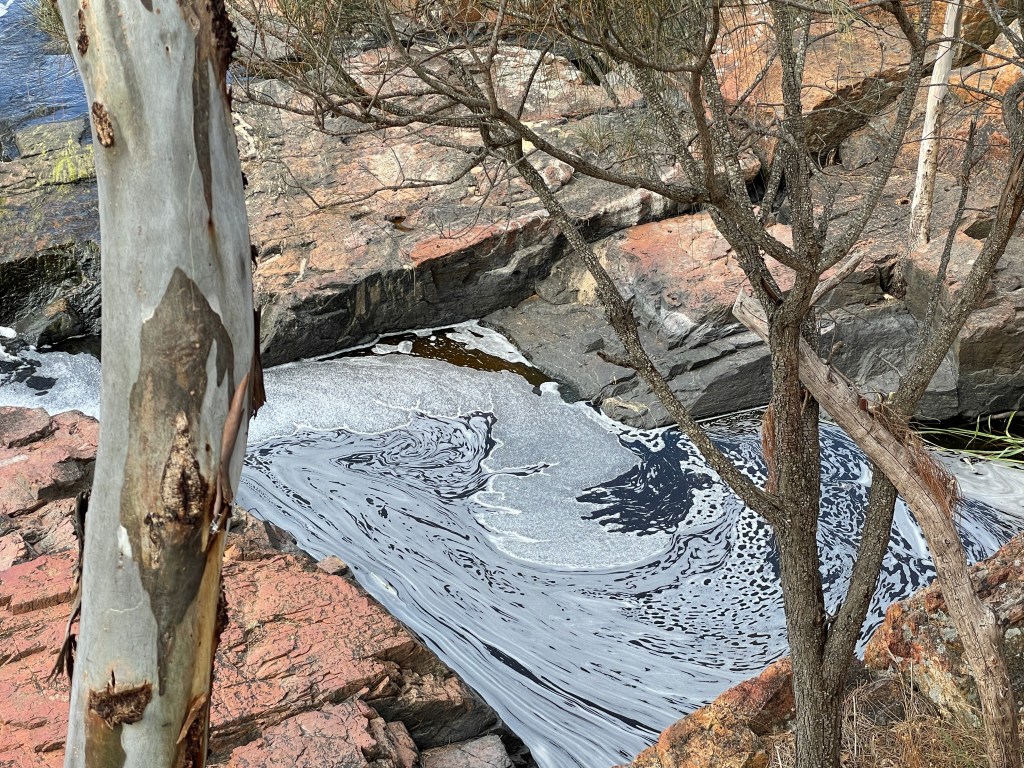
I take a second track to an older platform up the top of the falls and watch tiny streams of white water carve their way between gaps in the red, brown and deep grey rocks before hurtling over the edge.
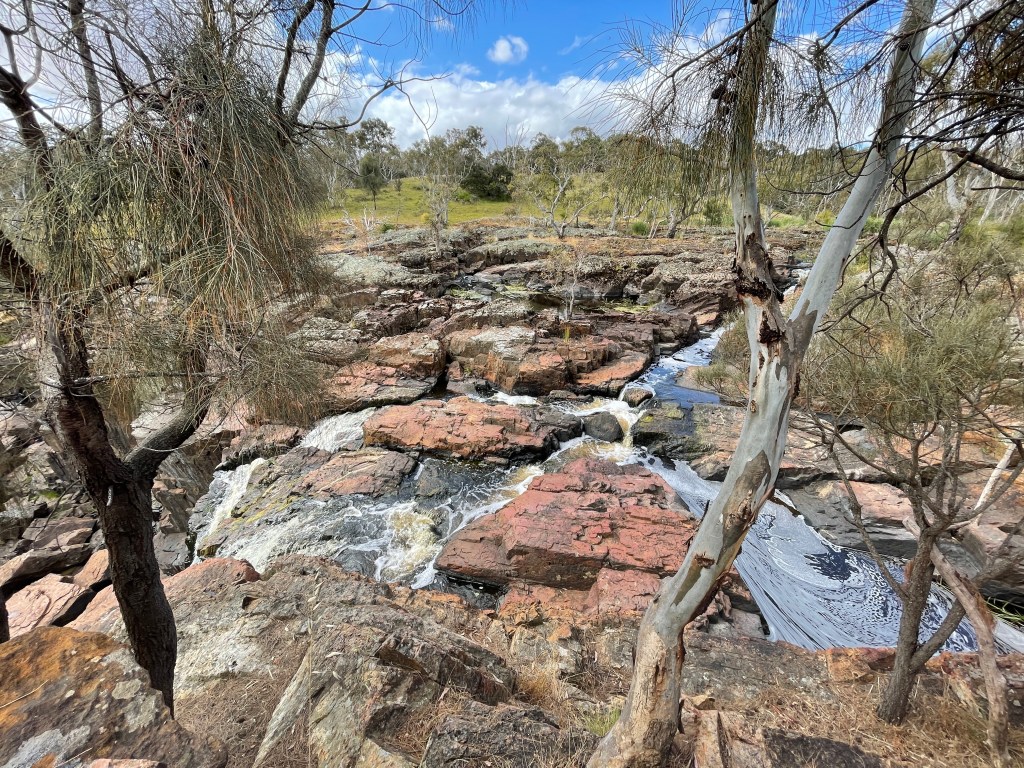

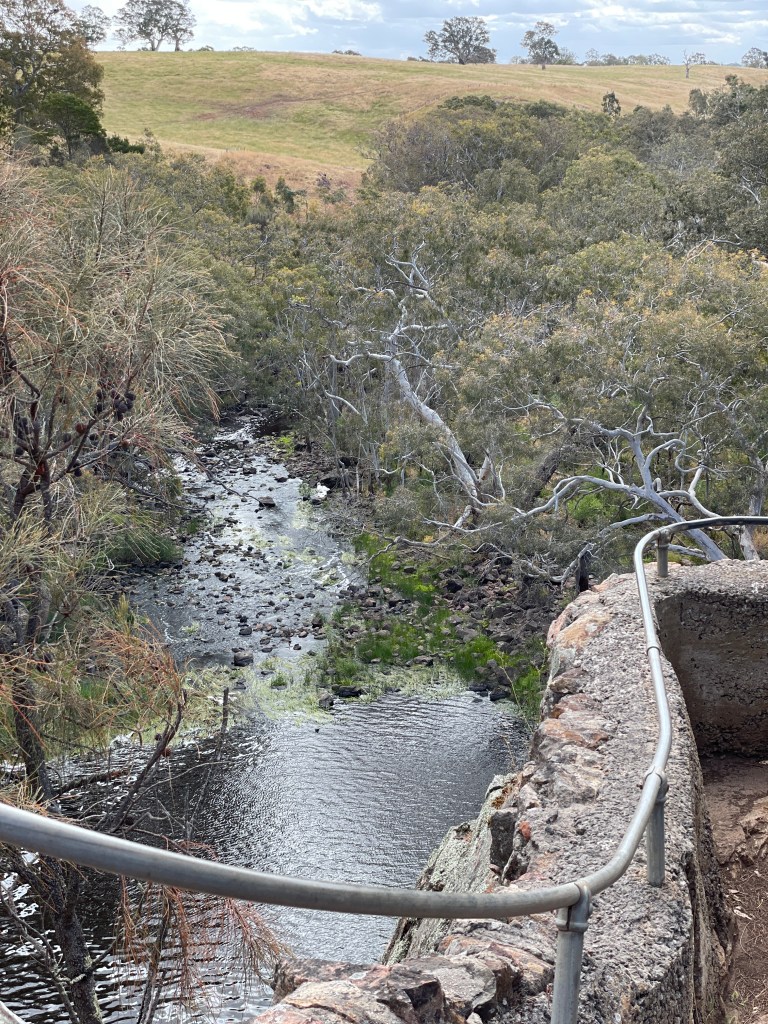
This would be a great place to stand when the falls are in full flight.
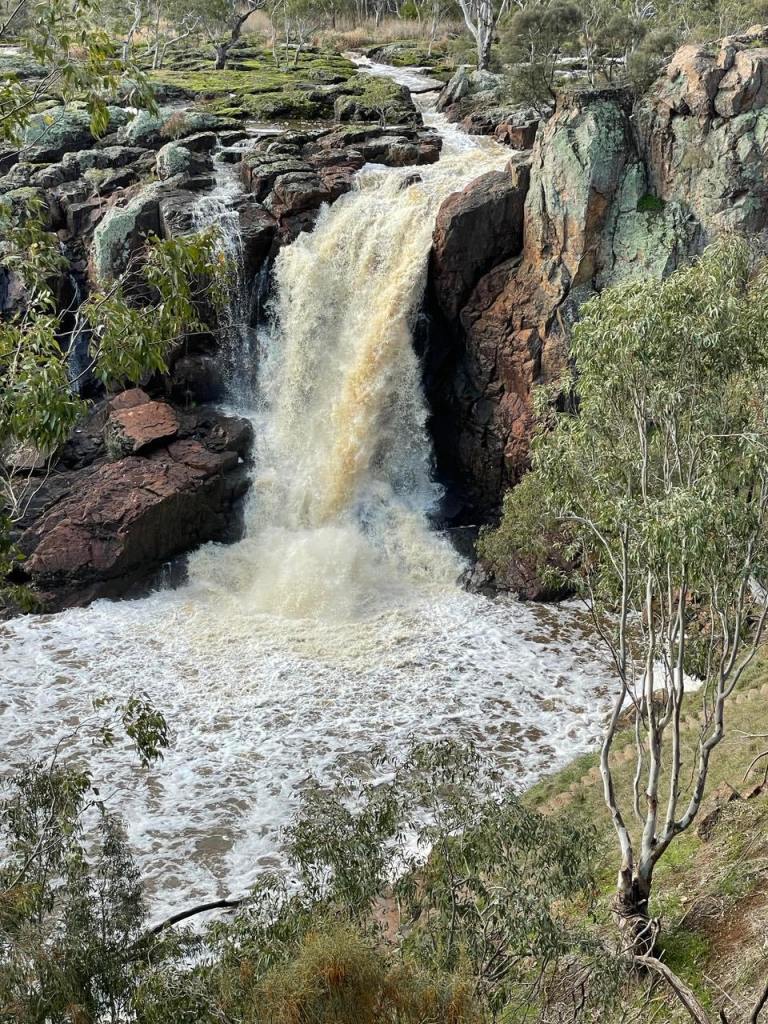
Thanks, Wannon and Nigretta, no matter the flow, you are well worth visiting for the view, the memories and the marvel of seeing and hearing running water.
 52 weeks 52 walks