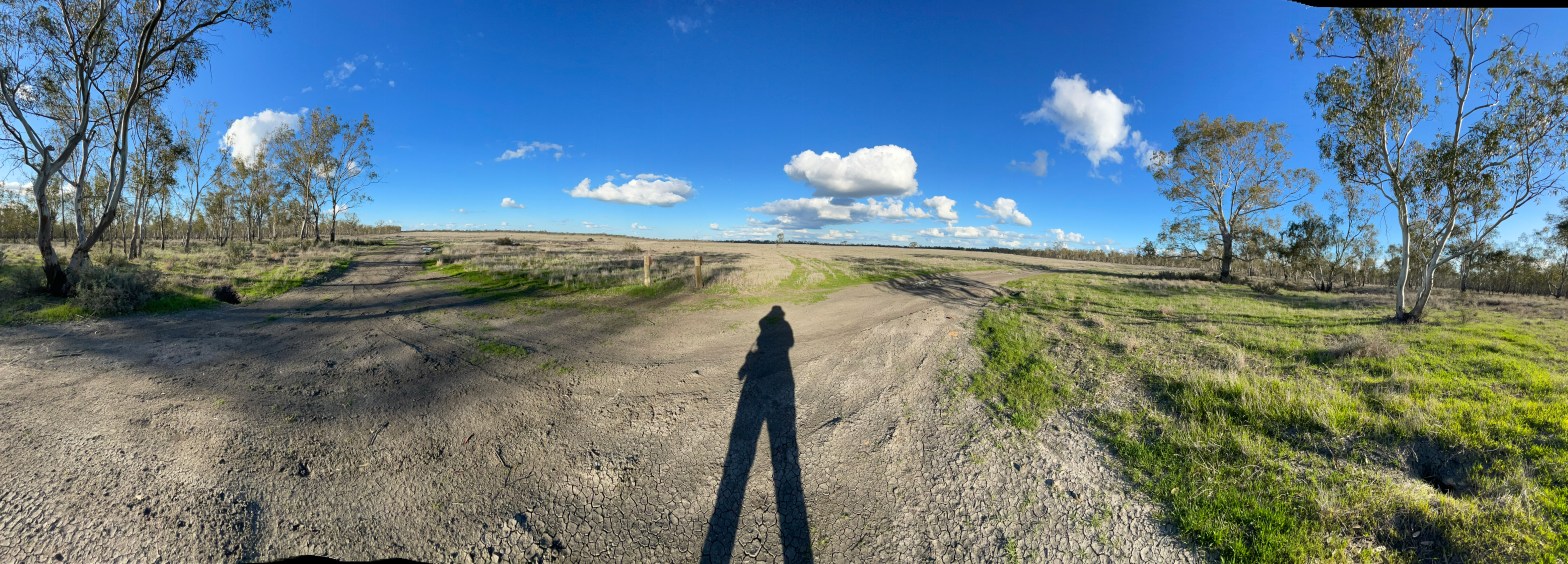
What – Lake Corrong – beside Lake Lascelles at Hopetoun
Where – Hopetoun, enter via Lake Lascelles
How far: It was 5km skirting along the western edge of Lake Corrong and back via Rifle Butts road.
10 words – Corrong- vast, dry, big clouds beautfiul; Lascelles – busy, vibrant, full, great sunset

Despite many hot days and dry years, Hopetoun – like its name – is often a place of optimism.
I came here in the millennium drought to report on hopeful locals lobbying for water to transform their empty lake. It had hardly rained for a decade, water was in short supply and the prospects seemed slim.

But today, 13-14 years later, not only does that lake get filled annually but the place is virtually overflowing with caravans – grey nomads on the move or COVID escapees who happened to be on holiday when the city lockdown set in.

Right now that sort of optimism is criticial – with half the country locked down and the Delta variant spreading like a nasty rumour across the landscape.
So, today I will take you to another example of hope – the dry lake next door – Lake Corrong which is lucky to fill once a decade.
Corrong possibly means bark canoe and the lake may also have been known as Yarrik by the local Weerigia peoples, according to difference sources.
As well as a lake, Lake Corrong was the moniker for a huge sheep station held by Edward Lascelles in the late 1800s and the springboard for his much-touted closer settlement scheme in this district.
Any one who could picture small farms thriving out here in the late 1800s needed hope and by all accounts, Lascelles was a man of vision and positivity which earned him the title of ‘Father of the Mallee’ .
For Me Lascelles was also the boss of my great great great uncle John Dalton who managed Lake Corrong – right here where I am today – until his death in 1893.
John was just three when the Tipperary Daltons, who were likely potato famine escapees, landed at Melbourne in 1853.
The Daltons settled at Inverleigh, near Geelong, within 30 years both John’s mother and father were dead, the latter having perished in a tragic house fire.
John and his brother William – my great great grandfather, both ended up as farm managers on big properties in the Wimmera southern Mallee.
William lived at the start of Yarriambiack Creek managing Longerenong Station and John at the end, where it spills into Lake Corrong.
John had, with great support from Lascelles, been an early adopter of phosphorous laced grain to poison rabbits which were a major pest in the late 1800s.
Phosphorous poisoning however was not for the faint-hearted with the risk of blowing yourself up and starting bushfires if you got it wrong. Google also tells me there are quite a few short and long-term health risks from exposure to its fumes.
I am not sure how big Lake Corrong station was under John’ leadership but in 1890 there were 60,000 sheep to shear on it and neighbouring Lake Tyrell – as well as a shearers’ strike!
Managing this property would have been a massive job, in a harsh, unknown and isolated environment and sadly John died of ‘disease of the brain’ in late 1893. He was 43 and left behind a wife and eight children aged from 5-22. Whether he had a breakdown or indeed contracted disease is not clear.

So, today I am proudly and optimistically, walking this dry lake in the footsteps of my great great great uncle John.
I park at Lake Lascelles and walk past the impressive communal kitchen, field bins and other accommodation – a project started when the lake was empty.
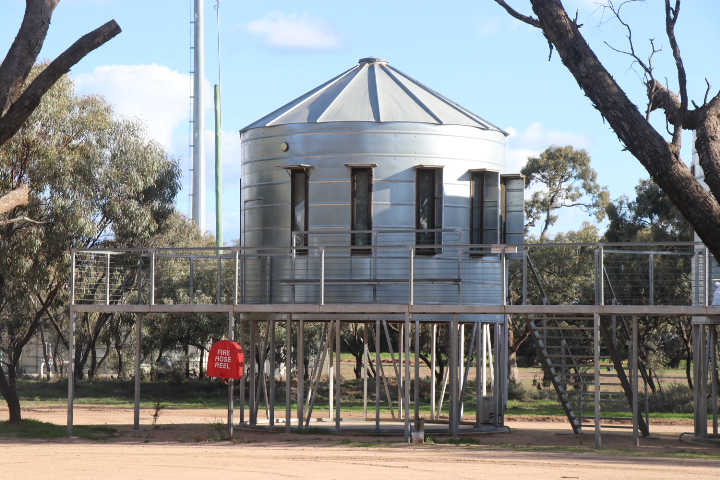
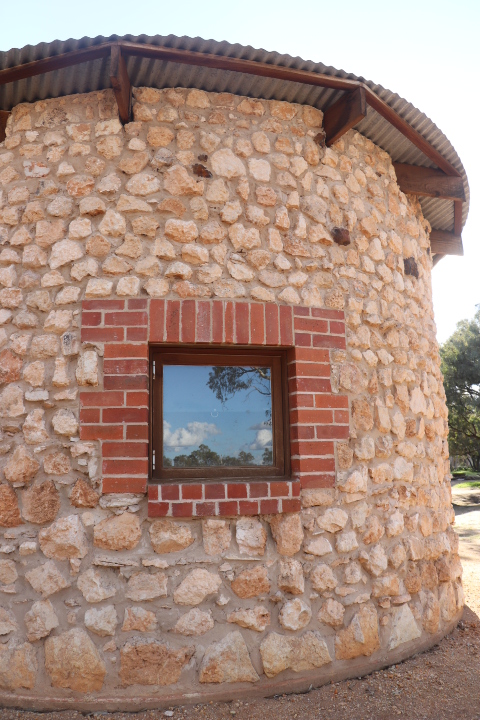
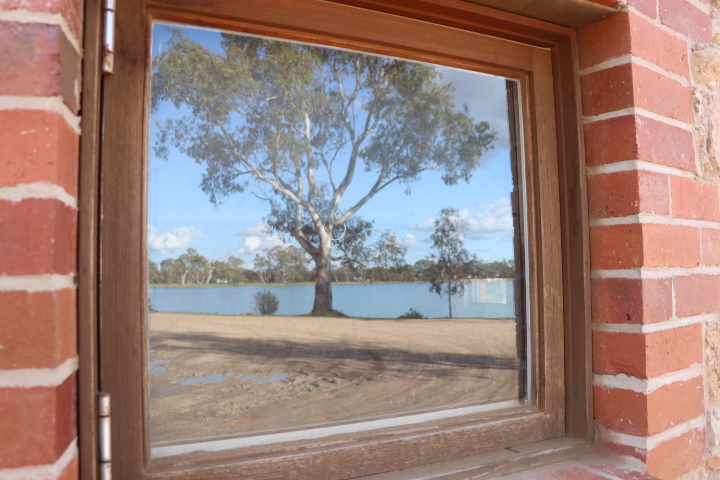
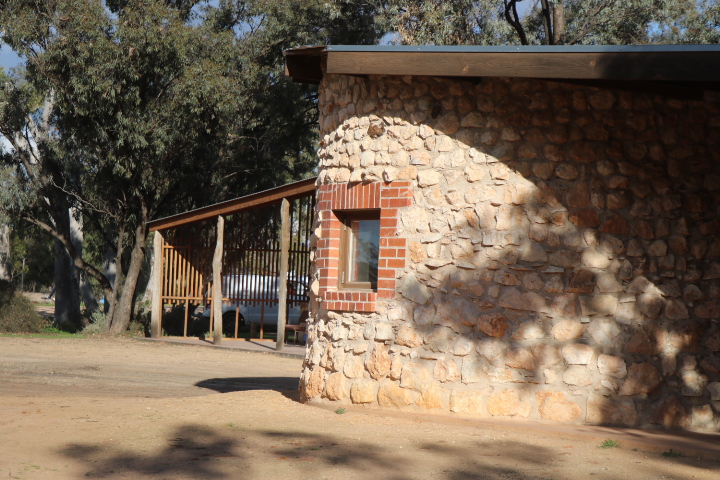
There is also a big sign telling me the history of the area. which leads me down a rough, muddy track towards Lake Corrong.

Everything changes on this track. It is blissfully peaceful, there are spindly tough trees in all directions and the sounds of singing birds. A group of noisy miners almost pose for photographs – enjoying the late afternoon sunshine too much to worry about me.
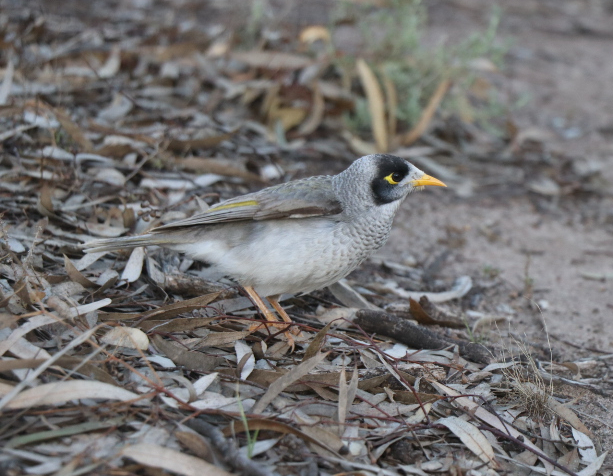
I just I hope I’m on the right track and will get back before dark…… I wonder if John felt the same way some days out here.


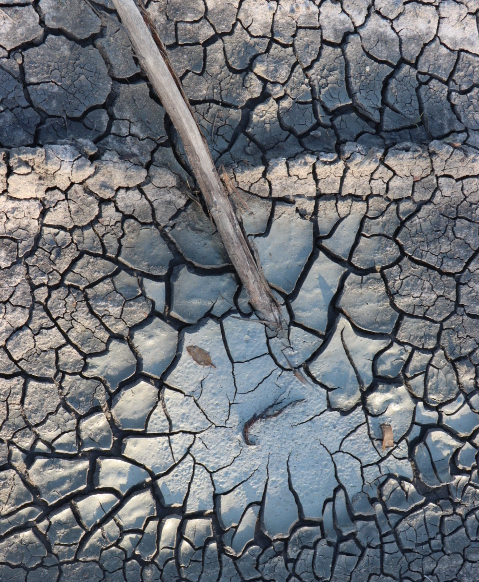
It has been raining recently and the road still has a few puddles. Drying mud shines in some places or cracks in dramatic, yet artistic, ways. There are also some deep kanga prints which would have taken the spring out of their step – or bounce.
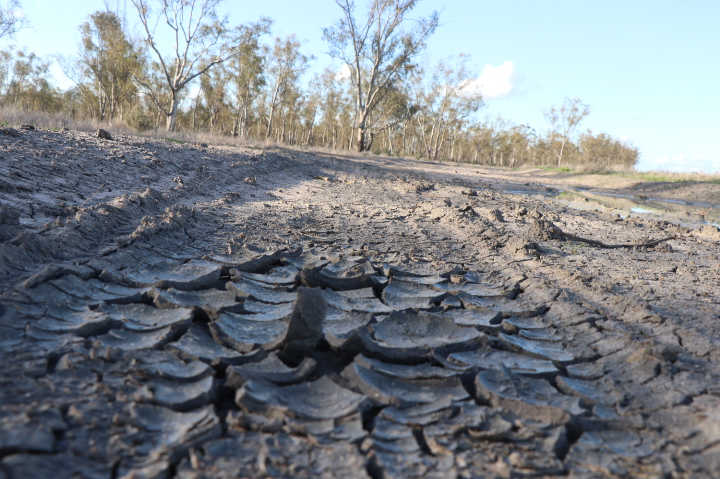


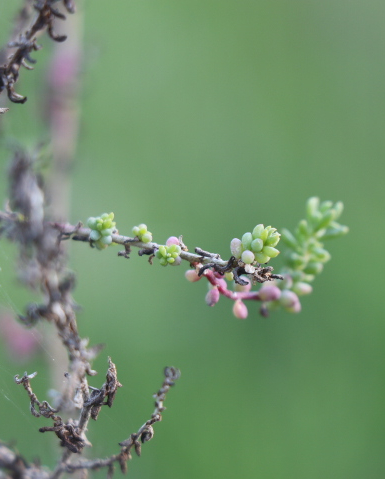
All this lovely moisture has been good for plants too, which look happy and healthy.


After about 1km, I reach the lake – 100s of hectares of empty paddock as far as the eye can see.

Yarriambiack Creek rarely flows these days and it has been a decade since Corrong last filled.
Dry it may be but there is something wonderful about this spot. Grand clouds linger above – almost watching over it or commanding respect for the ground below them.


I wonder how many times John walked or rode this track and what he thought when he looked at the clouds and the lake.
I also get to thinking about traditional owners – The Werrigia – and what significance Lake Corrong held for them.
The information board talked of young Aboriginal boy ‘Jowley’ adopted by an early Lake Corrong lesee after his family tragically died, but what of Jowley’s extended family and community? What did HIS great great great uncle see and do? What traditional stories are associated with this lake?
I find a possible answer in a Yarriamabiack Shire heritage study which says: “the focus of Aboriginal settlement on the Yarriambiack was the destination point of this riverine highway, the watering hole, meeting place and regional trading hub at Lake Coorong. (Massola, 1969:112) Taylor (1996:16) also refers to Lake Corrong as a major meeting place, known also by its Aboriginal name of ‘Yarrik’.”
You can just imagine the local mobs doing business, trade and yarning under those big white clouds back in the day.
After another 10 minutes following the track north, I come to another fork in the road and turn west back towards the other lake.


There is a patch of red Mallee soil and I feel like I am on the high ground looking down into a wetland that was possibly a lake overflow. Trees on the elevated ground have dark trunks and those on the swamp country are pale grey.


Looks like good kangaroo country and sure enough, I see their silhouettes through the trees.
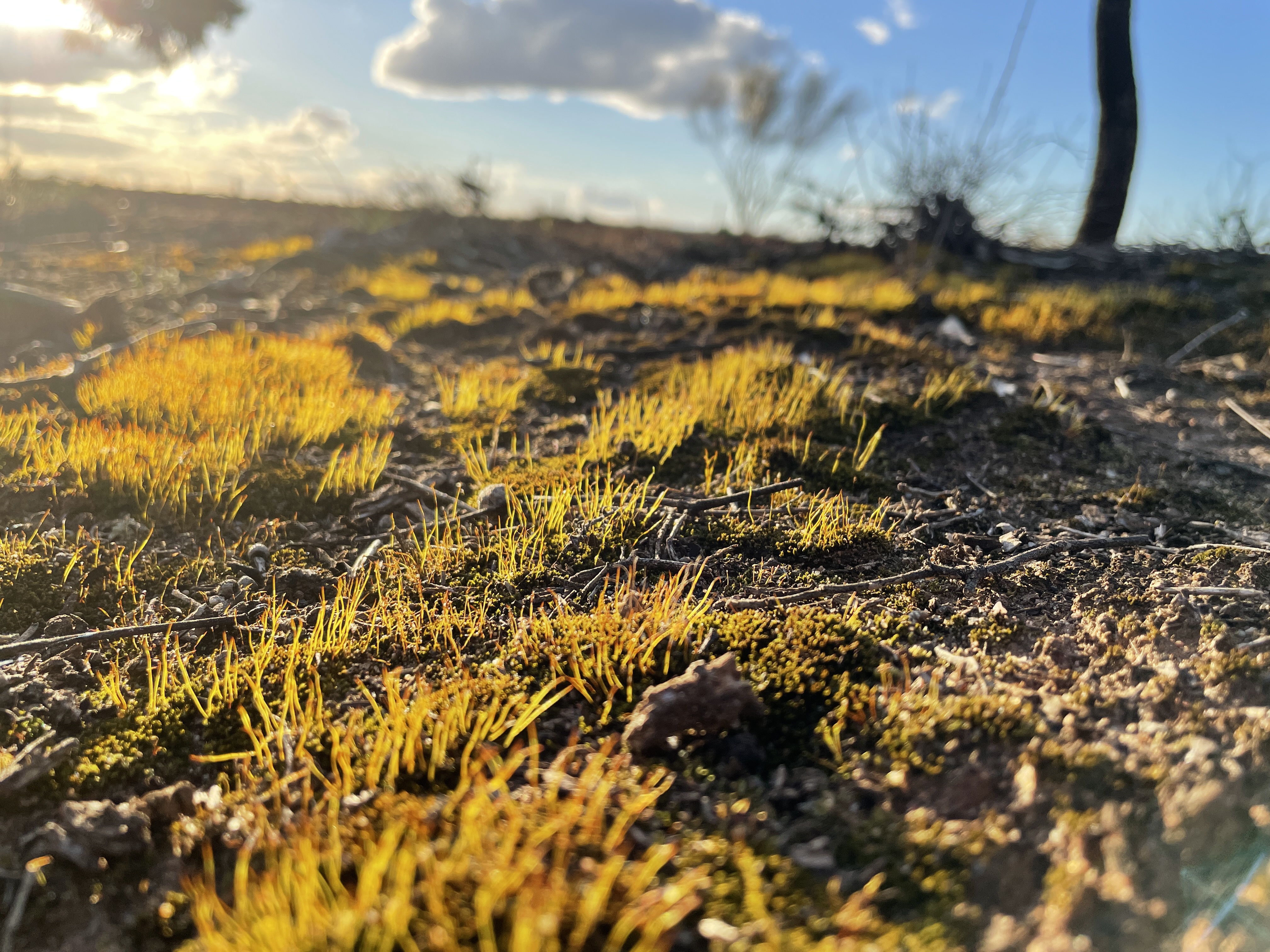
I also notice lots of moss just shimmering in the late afternoon sun; the world seems a pretty good place right now.



I follow the track back to Lake Lascelles and around its shoreline – and its many human guests – to the northern end and my car.


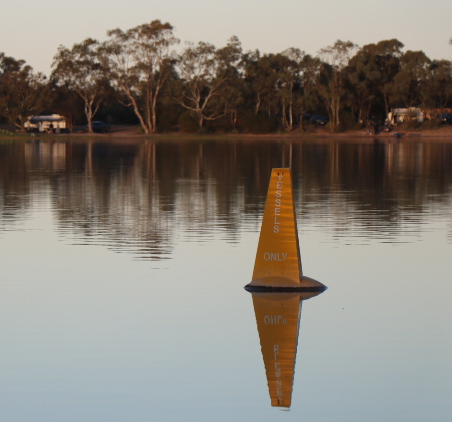

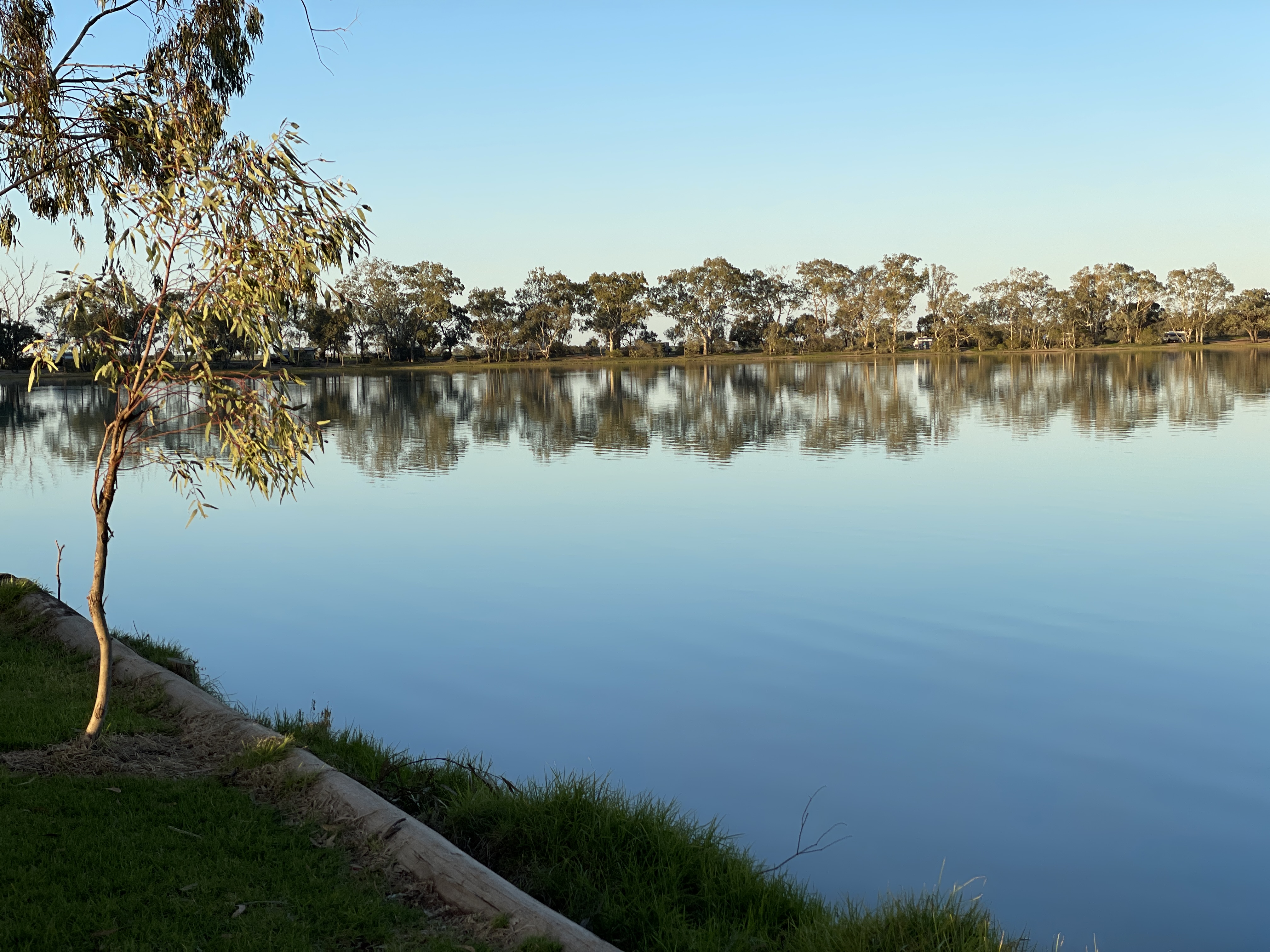
The evening sun teams up with the still water to make, reeds, trees and even thistles beautiful.


I hope John and his family also found time to pause and enjoy the sun on the water and that their existence was more than hard work and hardship.
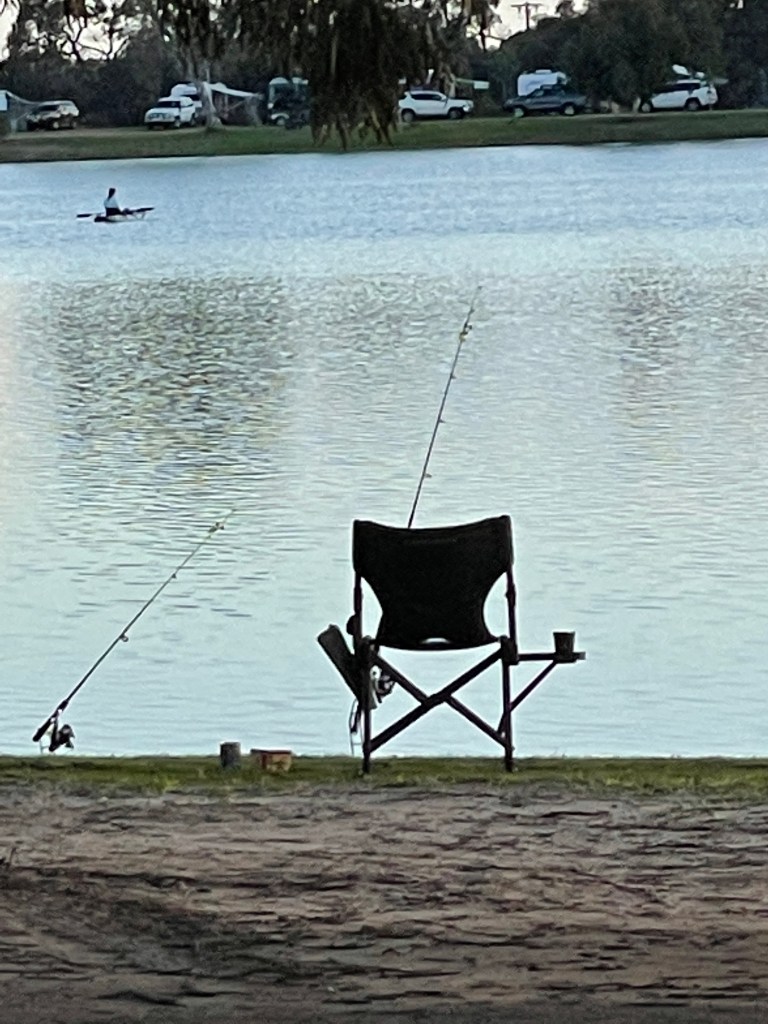

With the walk over, I follow the Yarriambiack Creek’s ‘riverine highway’ south back towards Horsham.
On the way it occurs to me that something was missing on today’s adventure – rabbits. Perhaps a family spirit walked with me today and is sending me a message: “Yes it was hard and I paid the ultimate price – but all hope was not lost – I took plenty of those bloody rabbits with me!”

 52 weeks 52 walks
Thankyou for this great article and beautiful photos, and the family history connection to Lake Corrong.
LikeLike